

Explore cordless power tools, kits, batteries, chargers, accessories and related equipment available to Canadian shoppers. Compare product options and follow useful buying guides before you buy.
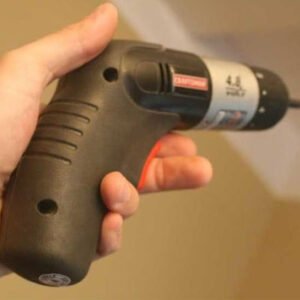
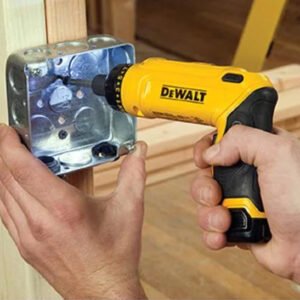
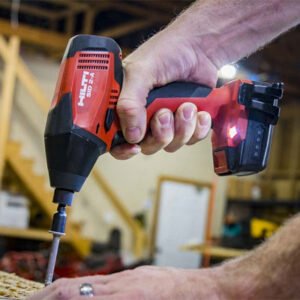
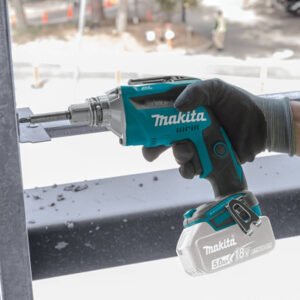
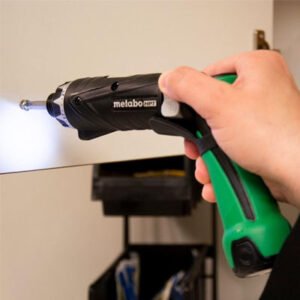
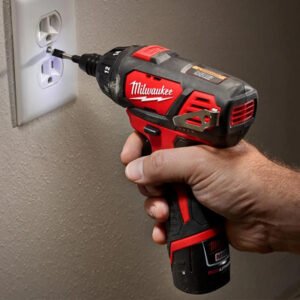


A cordless drywall screwdriver is designed for repetitive fastening work where speed, consistent screw depth and freedom from a power cord matter. For drywall installation, the right tool should make it easier to drive screws quickly without damaging the gypsum board or leaving fasteners too proud of the surface.
For Canadian buyers, the best choice depends on more than maximum voltage or advertised speed. Screw-driving control, clutch or depth adjustment, ergonomics, battery compatibility, tool weight, bit retention and the availability of compatible accessories can have a much greater effect on day-to-day productivity.
This guide focuses on the features that matter when comparing cordless drywall screwdrivers in Canada in 2026. Specifications can vary between models and configurations, so check the exact product listing, included accessories and battery configuration before buying.
A drywall screwdriver is purpose-built for driving drywall screws repeatedly and consistently. Although a conventional cordless drill or impact driver can drive drywall screws, a dedicated drywall tool can provide more appropriate control for high-volume installation.
The main distinction is controlled screw depth. Drywall fasteners need to sit correctly below the paper surface without breaking through it. Driving too deeply can weaken the board around the fastener, while leaving the screw too high can interfere with finishing and taping.
Dedicated drywall screwdrivers may also emphasize high no-load speed, lightweight construction, ergonomic handling and specialized depth-control mechanisms. Some models are designed for individual screws, while others can accept collated screw strips for much faster repetitive work.
Depth control is one of the most important features to examine. A good adjustment system lets the user establish a repeatable stopping point so that screws are driven to a consistent depth.
The ideal setting depends on the screw, drywall thickness, framing material and tool. Even a highly adjustable screwdriver still requires a short test run before starting a large installation.
Drywall installation involves a large number of fasteners, so speed can substantially affect productivity. High rotational speed can help experienced users install screws rapidly, but speed alone does not determine whether a tool is suitable.
A screwdriver with good trigger control and predictable engagement can be easier to use than a faster tool that is difficult to control. When comparing models, consider usable speed rather than treating the highest advertised RPM as the only performance measure.
Some cordless drywall screwdrivers support collated screw attachments. These systems feed screws automatically from a connected strip, reducing the need to load individual screws repeatedly.
Collated systems can be particularly useful for professional installers working on large ceilings, walls or commercial projects. They can be less important for occasional renovation work where the additional attachment cost and size may not provide enough benefit.
Look at the tool's no-load speed and how that speed relates to the intended application. Drywall screwdrivers generally prioritize rapid screw installation rather than the broad speed and torque range expected from a general-purpose drill.
For repetitive fastening, a fast motor can reduce the time spent on each screw. However, controllability remains essential because excessive speed can make it easier to overdrive a fastener before the user releases the trigger.
Prioritize a clearly adjustable and repeatable depth-control mechanism. A tool that is easy to calibrate can save time when changing screw types or working with different drywall materials.
Look for adjustment controls that are easy to understand and unlikely to move accidentally during normal handling.
Battery voltage should be considered together with the complete cordless platform. A higher-voltage tool is not automatically the best choice for drywall installation.
If you already own cordless tools, staying within the same battery ecosystem can be especially practical. Platforms from brands such as DEWALT, Makita, Milwaukee, Bosch and Ryobi include multiple cordless tools, although battery compatibility is normally limited to the manufacturer's specific platform.
Always verify whether a listed drywall screwdriver is sold as a bare tool or includes batteries and a charger. Package contents can substantially change the overall value of a purchase.
Weight becomes increasingly important during repetitive overhead work. A screwdriver that feels manageable for a few minutes can become tiring when used continuously on ceilings or large walls.
Compare the actual working weight, including the battery, rather than evaluating only the bare-tool specification. A compact tool with a smaller battery may be preferable for overhead installation, while a larger battery can provide longer operating time between charges.
Grip shape, balance, trigger position and overall tool geometry affect control and fatigue. A well-balanced screwdriver can be easier to position accurately against the drywall.
Consider whether the tool can be comfortably operated with the working hand you normally use and whether its controls can be reached without changing grip.
An integrated LED can be useful when working in partially finished rooms, inside renovations or around areas with limited lighting. It is not a substitute for proper work lighting, but it can make screw placement easier to see.
A belt hook can be useful when moving repeatedly between fastening positions. Storage features are less important than depth control and ergonomics, but they can improve convenience on larger jobs.
Examine how the screwdriver accepts and retains the required driver bits. The nosepiece should allow consistent positioning of the bit and screw while maintaining the intended depth-control function.
Replacement wear parts and compatible accessories can also matter for professional users. Check the manufacturer's documentation before assuming that parts from another model will fit.
Both formats can be effective, but their advantages are different.
For many Canadian DIY users, cordless convenience is a major reason to choose a battery-powered model. Professional users should consider whether their existing battery inventory and charging setup adequately support a full workday.
A conventional cordless drill is more versatile, but versatility does not necessarily make it the better drywall installation tool.
If your primary objective is a complete home workshop rather than high-volume drywall installation, compare the cost of a dedicated screwdriver with the additional versatility provided by a quality cordless drill.
An impact driver is excellent for many fastening applications, but its impact mechanism is not inherently optimized for delicate drywall finishing.
Impact drivers can generate substantial fastening force, which is useful for demanding screws and construction tasks. Drywall installation instead calls for predictable depth and controlled engagement. An impact driver can overdrive drywall screws more easily if the operator is not careful.
For occasional drywall work, an experienced user may successfully use an impact driver with appropriate settings and technique. For repetitive drywall installation, a purpose-built drywall screwdriver is generally easier to justify.
Brushless motors have become common across modern cordless power-tool ranges. They eliminate traditional motor brushes and can offer advantages in efficiency, heat management, durability and electronic control.
Brushed tools can still be practical, particularly when purchase cost is a priority or the tool is used occasionally. The motor type should therefore be considered alongside price, battery platform, ergonomics, warranty terms and expected workload rather than treated as the sole measure of quality.
Battery capacity is normally expressed in ampere-hours, commonly abbreviated as Ah. A larger-capacity battery generally provides more stored energy, but it also tends to add weight and bulk.
Runtime depends on the tool, material, screw size, operating technique, battery condition and workload. Avoid treating an advertised Ah figure as a guaranteed number of screws per charge.
If you already own cordless tools, battery-platform compatibility can be one of the most important buying considerations.
For example, a buyer already invested in a DEWALT, Makita, Milwaukee, Bosch or Ryobi ecosystem may prefer a compatible bare tool if the manufacturer offers a suitable drywall screwdriver within that platform.
Do not assume that batteries with similar voltage ratings are interchangeable between brands. Check the manufacturer's compatibility information for the exact model.
The screwdriver is only one part of a successful fastening system. The screw must also be appropriate for the drywall, framing and construction application.
Coarse-thread screws are commonly associated with fastening drywall to wood framing. The larger thread profile is designed to engage effectively with wood.
Fine-thread screws are commonly used with metal framing applications. The correct screw depends on the thickness and type of framing and the manufacturer's or project's requirements.
Choosing the correct screw length is important. A screw should provide sufficient engagement with the framing without creating unnecessary penetration. Follow applicable building requirements and manufacturer recommendations for the specific installation.
Start with a small test area using the same drywall, framing and fastener combination that will be used for the project.
The goal is a consistent fastening depth, not simply the deepest possible setting. Breaking the drywall paper around the screw can reduce the quality of the finished surface.
Voltage is only one specification. A lower-voltage tool with excellent ergonomics and appropriate speed may be more practical for drywall than a larger tool designed for broader construction applications.
Compare complete ownership cost. A bare tool can look inexpensive until the price of a compatible battery and charger is added.
Maximum runtime is not always the priority. For ceiling work, reducing hand and arm fatigue can be more valuable than carrying the largest available battery.
A drill can drive drywall screws, but its clutch and speed characteristics may not provide the same application-specific experience as a dedicated drywall screwdriver.
Professionals should determine whether collated screw feeding is useful before choosing a model. Buying a tool without the required feeding capability can limit productivity on high-volume installations.
Professional users should investigate the availability of compatible bits, nosepieces, depth-control components and other wear parts. A tool's long-term practicality depends partly on how easily it can be maintained.
For occasional home renovation, prioritize ease of use, manageable weight, straightforward depth adjustment and compatibility with a battery system you already own.
A homeowner who installs drywall only a few times may not need the highest-speed professional model or a collated screw attachment. A compact cordless screwdriver or compatible general-purpose tool may offer better overall value when the same battery platform can also power drills, lights and other household tools.
Professional installers should evaluate productivity over the entire workday. Important considerations include high-speed operation, consistent depth control, battery availability, ergonomics, durability and compatibility with collated fastening systems.
Models from established professional tool ecosystems such as DEWALT, Makita and Milwaukee are worth comparing when their specifications match the intended application. Bosch and other established manufacturers can also be relevant depending on the battery platform and tool configuration available to the buyer.
The best professional choice is not necessarily the model with the longest feature list. It is the one that minimizes interruptions and remains comfortable and predictable throughout the workload.
Ceiling installation places greater demands on ergonomics because the tool is held overhead for extended periods. Weight distribution, grip comfort and battery size can therefore matter more than maximum power.
A compact battery may reduce fatigue, while a belt hook can make repositioning easier. Users who install ceilings frequently should give particular attention to balance rather than evaluating the tool only while holding it at waist height.
Repeated tool operation can make noise and vibration important practical considerations. Specifications should be checked where manufacturers provide them, but perceived comfort also depends on grip, fastening technique, material and duration of use.
Appropriate hearing protection and other job-site personal protective equipment should be used when required by the working environment.
Routine maintenance can help preserve performance and reduce avoidable downtime.
Drywall work generates fine gypsum dust. Keep ventilation openings and moving components reasonably clean according to the manufacturer's maintenance instructions.
A worn or damaged bit can cause poor engagement, slipping and inconsistent screw depth. Replace bits when they no longer hold the screw securely or show significant wear.
Inspect the depth-control components periodically. If the setting becomes difficult to adjust or does not remain consistent, consult the manufacturer's instructions before continuing heavy use.
Use the manufacturer's recommended charger and storage practices. Avoid exposing battery packs to conditions outside their specified operating or storage range.
Specifications are most useful when considered as a group rather than individually.
Customer ratings can provide useful signals, but they should not be treated as a substitute for technical specifications. A product can receive strong overall feedback while still being unsuitable for a particular workload.
When comparing reviews, look for recurring comments about ergonomics, battery performance, depth adjustment, bit retention, durability and ease of use. Give more weight to feedback describing the actual application than comments that only discuss packaging or first impressions.
It is also worth checking whether reviews refer to the same model number and configuration. Tool families can contain several closely related versions with different batteries, accessories or regional specifications.
Canadian listings can differ from U.S. listings even when products appear almost identical. Package contents, model numbers, battery configurations and regional documentation may vary.
Canadian buyers should therefore compare the exact model rather than assuming that a product with the same family name has identical specifications across markets. When shopping online, verify that the listing clearly identifies the model and what is included.
Several established power-tool manufacturers have cordless ecosystems that may include drywall screwdrivers or related fastening tools. Brand reputation alone should not determine the purchase, but comparing established platforms can make it easier to evaluate battery availability, accessories and other compatible tools.
Always compare the specific model rather than assuming that every tool from a well-known brand is appropriate for drywall installation.
Collated screwdrivers are primarily about workflow efficiency. Instead of manually positioning a new screw for every fastening operation, the feeding system presents the next fastener automatically.
This can reduce repetitive handling and increase productivity when installing large quantities of drywall. However, the attachment adds size and complexity, and it may not be worthwhile for a small renovation.
Before choosing a collated setup, verify the supported screw sizes, strip compatibility and whether the attachment is included or purchased separately.
Drywall fastening generally does not require the same torque characteristics as heavy structural fastening. The priority is controlled, repeatable screw placement.
For this reason, selecting the most powerful cordless tool available can be counterproductive if the added weight, size or aggressive fastening characteristics make the tool harder to control.
Match the tool to the application: occasional repairs, room-scale renovation, residential construction or high-volume professional installation each justify different priorities.
Start with the job rather than the brand. Determine how many screws you expect to install, whether you will work primarily on walls or ceilings, how long the tool will be operated continuously and whether you already own batteries from a compatible platform.
Next, narrow the options by depth control, weight and speed. Only then compare battery capacity, included accessories, motor technology and additional features.
For professionals, evaluate productivity and fatigue over a full working period. For homeowners, prioritize versatility and compatibility with tools you already own. For occasional users, avoid paying for specialized features that will rarely be used.
There is no single best model for every Canadian buyer. The right choice depends on workload, battery platform, weight, speed, depth adjustment, budget and whether collated screw feeding is required. Compare the exact specifications and package contents of the models you are considering.
They can be worthwhile for users who install drywall regularly and want cordless mobility, consistent fastening depth and faster repetitive screw installation. For occasional repairs, a suitable cordless drill may be sufficient.
Yes. A cordless drill can drive drywall screws, particularly for small projects. However, a dedicated drywall screwdriver is designed around repetitive fastening and depth control, making it potentially more convenient for larger installations.
A brushless motor can provide advantages in efficiency, electronic control and motor durability, but motor type should be evaluated alongside ergonomics, depth control, speed, battery platform and overall cost.
The appropriate speed depends on the application and tool design. Drywall screwdrivers commonly emphasize high rotational speed for repetitive fastening, but a specific RPM figure should not be considered in isolation. Controlled operation and reliable depth adjustment are equally important.
Not necessarily. Collated systems are most useful when installing large quantities of drywall. For small home projects, manually loading individual screws may be simpler and less expensive.
A compact battery can reduce weight and fatigue, while a larger-capacity battery can extend working time between charges. The best choice depends on the balance between runtime and handling comfort.
No. Compatibility depends on the manufacturer's battery platform and the exact tool. Even within the same brand, different voltage or platform families may not be interchangeable.
A drywall screw should normally be seated sufficiently below the surface for finishing without unnecessarily breaking through the paper face. Use the manufacturer's recommendations and test the depth on scrap or an appropriate test section before starting the main installation.
Overdriving, excessive pressure, incorrect depth settings or poor tool alignment can damage the drywall paper. Adjust the depth control and fastening technique, then test again before continuing.
Not automatically. Higher voltage can be useful for some demanding applications, but drywall work emphasizes speed, control, ergonomics and repeatability. Choose the platform and tool configuration that best matches the actual workload.
Professional users should focus on consistent depth control, suitable fastening speed, comfortable weight distribution, reliable battery availability, durable construction, compatible accessories and, where useful, collated screw feeding.
The best cordless drywall screwdriver in Canada is the one that matches the scale and type of work you actually perform. For high-volume installation, prioritize productivity, depth consistency, battery management and ergonomics. For DIY renovation, prioritize ease of use, reasonable weight and compatibility with your existing cordless tools.
Do not select a model solely because it has the highest voltage, fastest advertised speed or largest battery. Compare the complete specification, exact model number, included accessories and total ownership cost. Read current customer feedback alongside manufacturer specifications, and verify today's Canadian retailer information before purchasing.
For a confident buying decision, narrow your shortlist to tools that meet your fastening requirements first, then choose the model offering the best combination of control, comfort, battery compatibility and long-term practicality for your particular project.