

♥ Wishlist


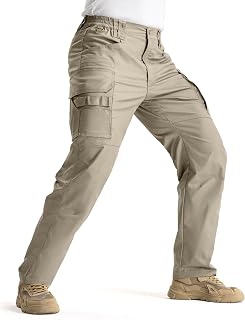


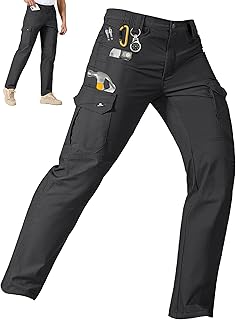


Choosing the right clothing for work in Canada means looking beyond appearance. Depending on the job and season, useful workwear may need to handle cold temperatures, rain, wind, mud, frequent movement and everyday wear. This clothing category brings together practical apparel for construction, trades, outdoor work, commuting, hiking and other activities where comfort and durability matter.
Canadian conditions can vary considerably from one region to another. A lightweight pair of work pants may be ideal for summer projects, while insulated trousers or a waterproof shell can become much more valuable during winter. When comparing clothing, consider the environment, expected activity level, layering requirements and the type of protection you actually need. A garment designed for occasional outdoor use may not provide the durability required for demanding construction or trade work.
Work pants are a practical choice for construction, maintenance, landscaping, workshops and general outdoor work. Look for durable fabrics, reinforced areas, useful pocket layouts and enough room for unrestricted movement. Stretch materials can improve comfort when kneeling, climbing or bending, while ripstop construction may help reduce the risk of small tears becoming larger damage.
High visibility shirts, pants, hoodies and other reflective garments can be useful when workers need to remain noticeable around vehicles, equipment or low-light environments. When selecting hi-vis clothing, check the garment description carefully for its intended application and any relevant workplace requirements. Visibility features should complement, rather than replace, appropriate site safety practices.
Rain jackets, waterproof trousers and lightweight rainsuits can make wet working conditions considerably more manageable. For active work, waterproofing should be considered alongside breathability, ventilation, mobility and seam construction. A garment that keeps rain out but traps excessive heat and moisture may become uncomfortable during physical activity.
Cold-weather work often requires a layered approach. Depending on conditions, workers may combine a moisture-managing base layer, an insulating mid-layer and a protective outer layer. Winter pants, insulated jackets and weather-resistant outerwear can provide additional protection when temperatures drop. Consider insulation, wind resistance, cuffs, hood design and room for layers rather than judging warmth from marketing descriptions alone.
The best clothing depends on where and how it will be used. For winter work, insulation and wind protection may be priorities, while summer clothing often benefits from lightweight, breathable materials. In spring and autumn, adaptable layers can be particularly useful because temperatures and precipitation can change throughout the day.
Fit is another important consideration. Work clothing should allow natural movement without being excessively loose around machinery or equipment. Check the manufacturer's sizing information and compare garment measurements where available. If you plan to wear thermal layers underneath a jacket or trousers, make sure the outer garment provides sufficient space without restricting movement.
Durability also deserves attention. Reinforced stitching, stronger fabrics, robust fasteners and reinforced knees can be useful for demanding applications. Multiple pockets may improve convenience, but pocket placement should not interfere with movement or create unnecessary bulk. For clothing worn frequently, easy-care materials and practical washing instructions can make a meaningful difference over time.
Winter is generally the most demanding season for outdoor clothing. Look for insulation appropriate to the expected conditions and consider how wind, snow and moisture may affect comfort. Spring and autumn often favour versatile jackets, breathable layers and rain-resistant shells. During summer, lightweight work pants, shorts and breathable shirts can help manage heat while maintaining useful coverage and storage.
Regional conditions should also influence your decision. Coastal areas can experience persistent rain and wind, while prairie regions may bring very cold winter temperatures and significant seasonal variation. Mountain and northern environments can introduce additional challenges. Rather than choosing clothing solely by season, match the garment to the actual weather, activity and exposure you expect.
Before purchasing, review the fabric, fit, insulation, water resistance, breathability, pocket configuration and care instructions. Think about how the clothing will be used during a normal working day and whether it can accommodate the layers you typically wear. If the product is intended for a regulated workplace, confirm that its visibility, protective or safety characteristics meet the requirements applicable to your job.
Product ratings and reviews can provide useful information about comfort, sizing and everyday performance, but they should be considered alongside the manufacturer's specifications. A highly rated casual garment may not be appropriate for heavy-duty work, while a specialized work garment may be unnecessary for occasional outdoor tasks.
Whether you need durable work pants, high visibility apparel, rain protection or winter layers, the right clothing should balance comfort, durability and protection for its intended environment. Compare the available options carefully, pay attention to sizing and construction, and choose garments that match the conditions in which you will actually wear them. This approach can help Canadian shoppers find clothing that is practical for everyday work while remaining comfortable across changing weather conditions.
Find practical clothing for work, outdoor activities and changing Canadian weather. Explore work pants, cargo trousers, high visibility shirts, waterproof rainwear, winter clothing and other durable apparel, with options suited to comfort, mobility and everyday job-site use.