

Explore cordless power tools, kits, batteries, chargers, accessories and related equipment available to Canadian shoppers. Compare product options and follow useful buying guides before you buy.
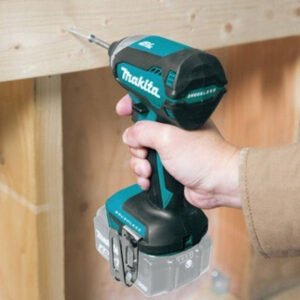
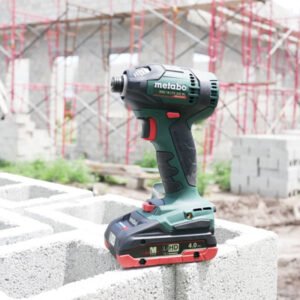
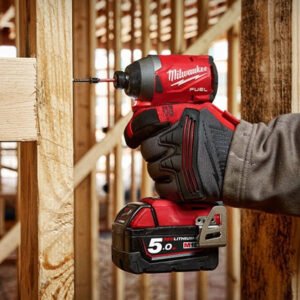
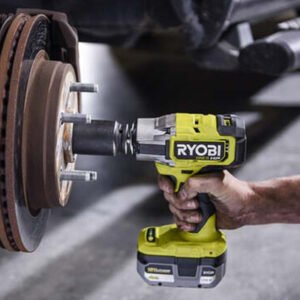
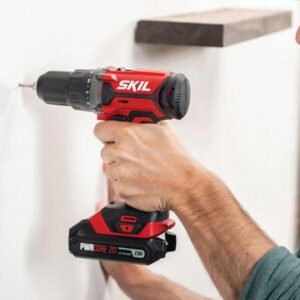

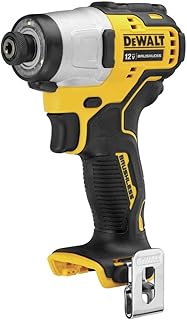


A cordless impact driver can be an excellent choice for driving long screws, construction fasteners, deck screws, structural fasteners and other demanding applications where a conventional drill may require more effort. The right model, however, depends on more than maximum torque. Battery platform, tool size, speed control, impact mechanism, chuck design, ergonomics, cold-weather considerations and the type of fasteners you use all influence which impact driver makes sense.
For Canadian buyers, compatibility with an existing battery ecosystem is particularly important. Brands such as DeWalt, Milwaukee, Makita, Bosch, Ryobi and Metabo HPT offer broad cordless tool platforms, allowing one battery family to power multiple tools. If you already own compatible batteries and chargers, choosing an impact driver from the same platform can substantially change the overall value of a purchase.
An impact driver and a cordless drill are designed for overlapping but different jobs. A drill uses a conventional chuck and rotating motor to provide controlled drilling and screwdriving. An impact driver uses a quick-change hex interface and combines rotational force with repeated impact action when resistance increases.
The impact mechanism helps an impact driver deliver substantial fastening performance while reducing the amount of continuous twisting force transferred back through the tool. This can make long or difficult fasteners easier to drive, particularly in construction and renovation work.
An impact driver should not automatically replace a drill. For many workshops, owning both tools provides considerably more versatility than attempting to make one tool perform every task.
Torque indicates the rotational force a tool can produce, but maximum advertised torque should not be treated as a complete measure of real-world performance. Manufacturers may specify torque using different testing methods, and the number does not necessarily tell you how efficiently the tool handles a particular fastener.
For general household projects, furniture assembly and light renovation work, extreme torque may be unnecessary. Construction professionals working with long structural screws or demanding fastening applications may have more reason to prioritize a high-output model.
Multiple speed ranges and variable-speed triggers provide better control across different fastening tasks. A high-speed setting can help with rapid fastening, while slower operation makes it easier to prevent overdriving screws or damaging softer materials.
Advanced impact drivers may include selectable modes designed to limit speed, torque or impact behaviour. These settings can be useful when moving between delicate finish work and heavy-duty fastening.
Brushless motors are common in modern premium cordless tools. They eliminate traditional motor brushes, which can reduce mechanical wear and support efficient electronic control. Brushless construction is particularly attractive for frequent users who place greater demands on their tools.
A brushless motor alone does not guarantee that one impact driver will outperform another. Motor design, electronics, battery output, gearing, impact mechanism and thermal management all contribute to overall performance.
Battery voltage should be considered alongside the complete tool platform rather than in isolation. A higher nominal voltage does not automatically mean a tool is the best choice for every user.
Canadian shoppers should consider whether the impact driver is sold as a bare tool or as a kit. A bare tool may be more economical when you already own compatible batteries. A kit can make more sense for someone entering a new battery platform because it may include one or more batteries and a charger.
Battery capacity is commonly expressed in ampere-hours. Larger-capacity batteries can provide greater runtime, although they may also increase the overall weight and bulk of the tool.
Most cordless impact drivers use a 1/4-inch hex quick-change collet. This makes it easy to switch compatible driver bits without the traditional three-jaw drill chuck found on many drills.
When comparing models, examine how easily the collet accepts and releases bits, whether it can accommodate the accessories you regularly use and whether the design is comfortable when changing bits repeatedly.
A powerful impact driver can become uncomfortable if it is excessively large, heavy or poorly balanced. Weight becomes increasingly important when working overhead, installing large numbers of fasteners or using the tool throughout a long workday.
Look for a compact head, balanced centre of gravity, comfortable grip and conveniently positioned controls. A belt hook can also be useful for construction workers who frequently move between fastening tasks and other activities.
LED work lights are another practical feature. Multiple LEDs or a well-positioned light can improve visibility around the fastener, especially in cabinets, framing cavities and dim work areas.
Compact impact drivers are attractive for cabinetry, furniture, electrical work, home maintenance and applications where access is restricted. Their smaller size can make them easier to position between studs, inside cabinets and around other obstacles.
Higher-output models are generally intended for demanding fastening. They may offer greater torque, more advanced electronic controls and compatibility with higher-output battery packs. The trade-off can be additional weight, cost and physical size.
The best choice is therefore not necessarily the most powerful model. A compact impact driver may be the more useful tool for a homeowner who spends most of the time installing hardware, assembling furniture and performing maintenance.
Premium impact drivers increasingly provide electronic modes that alter how the tool behaves. Depending on the model, these controls can change speed, power delivery or the way the tool responds near the end of a fastening operation.
Such features can help reduce stripped screw heads, damaged surfaces and unnecessarily deep fastener penetration. They are especially valuable when the same tool is used for both rough construction and more controlled finishing work.
When comparing specifications, determine exactly what each mode does rather than assuming that a greater number of modes automatically provides greater usefulness.
Impact drivers require accessories designed to withstand impact loading. Standard drill bits and ordinary driver accessories are not automatically suitable simply because their shank fits the tool.
The battery platform can matter more than small differences between individual impact-driver specifications. Once you invest in batteries and chargers, staying within the same ecosystem can make future purchases considerably simpler.
DeWalt 20V MAX, Milwaukee M18, Makita 18V LXT, Bosch 18V, Ryobi 18V ONE+ and Metabo HPT MultiVolt are examples of established cordless platforms with multiple compatible tools. Compatibility must always be checked for the exact battery and tool series because products within a manufacturer's broader range are not necessarily interchangeable.
For someone starting from scratch, compare the complete ecosystem rather than the impact driver alone. Consider whether the platform includes the saws, drills, lights, grinders, sanders or other tools you might eventually need.
A bare tool is generally intended for buyers who already own compatible batteries and a charger. It can prevent paying for duplicate charging equipment and batteries.
A kit may be more appropriate for first-time users entering a battery platform. Compare the battery capacities included, charger type, carrying case and other accessories rather than judging the kit solely by the number of items in the package.
Always confirm the exact contents before purchasing because similarly named models can be sold in different configurations.
Canadian users may operate cordless tools in conditions ranging from heated workshops to cold garages and outdoor construction sites. Battery performance can be affected by temperature, so cold-weather users should pay attention to manufacturer guidance concerning storage, charging and operation.
A battery that has been exposed to very low temperatures should not automatically be charged immediately. Follow the battery manufacturer's instructions for safe charging and temperature conditions.
For outdoor work, the tool's physical durability, protective design, storage arrangements and ability to withstand normal jobsite conditions may be more important than a small difference in advertised torque.
Homeowners do not necessarily need the most powerful professional impact driver. A lighter brushless or compact model can often be easier to control and more pleasant for occasional maintenance.
Prioritize manageable size, variable-speed control, a comfortable grip, battery availability and reasonable accessory compatibility. If drilling is also a major requirement, pairing the impact driver with a cordless drill may be more useful than purchasing a single extremely powerful fastening tool.
Maximum torque is easy to compare, but it does not capture ergonomics, speed, control, battery efficiency or the tool's intended application.
A discounted impact driver can become less attractive if future batteries, chargers and tools are difficult to integrate into your workshop. Evaluate the platform's broader product range before committing.
A high-capacity battery can extend runtime but may make a compact impact driver noticeably heavier. For overhead or repetitive work, this trade-off deserves careful consideration.
Accessory compatibility is not only about whether a bit fits the collet. Impact action creates repeated loading that requires appropriately designed accessories.
Modes are useful only when they provide meaningful control for the tasks you perform. A simple, well-designed impact driver can be preferable to a feature-heavy model if you rarely change settings.
The two tools serve different fastening categories. If your main task involves automotive wheel nuts or large mechanical fasteners, an impact wrench may be the appropriate category rather than an impact driver.
When narrowing down a shortlist, compare the models across the same criteria rather than relying on headline specifications.
There is no universally superior cordless platform for every Canadian buyer. The best ecosystem depends on the tools you already own, the work you perform and the level of performance you require.
DeWalt is a major cordless-tool platform with extensive coverage across construction and workshop categories. Buyers should compare the specific impact-driver generation, battery compatibility and kit configuration rather than assuming every DeWalt model provides the same performance.
Milwaukee's cordless range includes professional-oriented tools across many trades. Its M18 ecosystem can be particularly relevant to buyers who expect to expand into other professional tools, but individual model specifications and battery requirements should still be checked carefully.
Makita offers a broad 18V cordless ecosystem and a wide range of compact and professional tools. Its impact-driver options can appeal to users who place significant emphasis on ergonomics, control and platform breadth.
Bosch provides cordless tools aimed at both professional and general users. When considering a Bosch impact driver, verify the exact battery platform and determine whether the available ecosystem matches the other tools you expect to purchase.
Ryobi's 18V ONE+ platform is particularly relevant to homeowners and DIY users who want access to a large variety of cordless tools within one battery family. Buyers should compare the intended workload, included battery and overall tool configuration before choosing a model.
For assembling furniture and handling ordinary household screws, excessive torque can make the tool harder to control rather than more useful. Medium-output models can provide a better balance of speed, control and size.
For decking, framing, renovation and long fasteners, additional output becomes more useful. Professional users who drive large numbers of fasteners may also benefit from advanced electronic controls and higher-capacity batteries.
The correct question is therefore not simply “Which impact driver has the most power?” It is “Which level of power gives me enough capacity for my normal fasteners while remaining controllable and comfortable?”
Impact drivers can generate significant torque and noise. Appropriate eye and hearing protection should be considered for demanding applications, particularly when working with construction materials or operating the tool for extended periods.
Secure the workpiece whenever practical and maintain a stable stance. Keep hands away from rotating accessories and remove the battery before performing maintenance or accessory changes when required by the manufacturer's instructions.
Do not rely on the tool's clutch or electronic controls as a substitute for proper fastening technique. When the application involves structural or safety-critical fasteners, follow the relevant manufacturer's and project specifications.
Good technique can make a noticeable difference. Keep the driver aligned with the fastener and apply steady pressure rather than forcing the tool at an angle. Start at a controlled speed and increase speed only when the fastener is properly engaged.
Using the correct bit is equally important. A properly fitting impact-rated bit reduces the likelihood of cam-out and helps protect the screw head. For delicate materials, use lower speed and an appropriate electronic mode when available.
Customer reviews can provide useful information, but they should supplement rather than replace specification research. Look for recurring comments about battery life, ergonomics, bit retention, trigger control, durability and suitability for particular applications.
Give greater weight to reviews that explain the workload, materials, fasteners and battery used. A review from someone installing occasional household screws may not be directly comparable with feedback from a professional contractor driving hundreds of fasteners.
Also distinguish comments about the tool itself from complaints about shipping, packaging or retailer service. Those issues may not indicate anything about the engineering or performance of the impact driver.
The best cordless impact driver depends on your workload, battery platform, budget, required power and preference for compact size or maximum performance. A professional may prioritize output and advanced controls, while a homeowner may prefer a lighter and simpler model.
For frequent users, brushless technology can be attractive because it supports efficient electronic motor control and avoids conventional brush wear. Occasional users may place greater importance on overall price, ergonomics and battery-platform compatibility.
Choose battery capacity according to the workload. Compact packs reduce weight and can improve handling, while larger packs can provide longer runtime for demanding jobs. The best choice is often a balance between runtime and tool weight.
An impact driver can work with compatible hex-shank drilling accessories, but it is not a universal replacement for a cordless drill. A drill remains preferable for many drilling applications because of its chuck design, clutch and broader compatibility with conventional drill bits.
Only use accessories specifically compatible with the impact driver's interface and application. For impact operation, impact-rated accessories are the safer choice because they are designed to withstand repeated impact loading.
An impact driver is generally not the ideal tool category for automotive lug nuts. An appropriately sized impact wrench with the correct square-drive socket system is normally better suited to that type of fastening.
Not necessarily. A more expensive model may provide higher output, advanced controls or a premium battery ecosystem, but those advantages may have little value for a homeowner performing occasional light fastening. Match the tool to the workload rather than the price category.
Choose a bare tool if you already own compatible batteries and a charger. A kit can make more sense when entering a new cordless platform because it provides the essential power equipment needed to operate the tool.
Weight becomes increasingly important during repetitive fastening, overhead work and long sessions. A lighter impact driver can be easier to control, although a larger battery and higher-output tool may be worthwhile for demanding applications.
Multiple settings can improve versatility, particularly when moving between delicate and heavy fastening. However, the usefulness of those settings depends on how intuitive and effective they are for your actual work.
The strongest cordless impact driver choice for Canada in 2026 is the model that provides the right combination of fastening power, control, ergonomics, battery compatibility and long-term practicality for your workload. Rather than selecting solely by torque or brand recognition, compare the complete tool system, including batteries, charger, accessories, dimensions and intended applications.
For professionals, output, durability, electronic controls and battery ecosystem may deserve the greatest attention. For homeowners and DIY users, compact dimensions, manageable weight, ease of use and compatibility with a versatile battery platform can be more valuable. Before purchasing, verify the latest specifications, current kit contents, retailer pricing and customer feedback because product configurations and availability can change during 2026.