

Explore cordless power tools, kits, batteries, chargers, accessories and related equipment available to Canadian shoppers. Compare product options and follow useful buying guides before you buy.


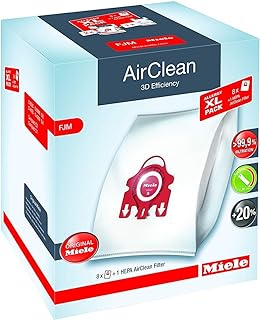


Choosing the right dust bag is about more than finding a bag that fits a particular vacuum or dust extractor. The bag must match the machine, filtration system, material being collected, working environment, and expected dust volume. In Canada, buyers may also need to consider differences between workshop dust collection, household vacuuming, renovation work, woodworking, and jobsite applications.
A suitable dust bag can make cleanup easier, help contain fine particles, and reduce the amount of dust that reaches the vacuum's filter. However, no dust bag should be treated as universally compatible. Always check the manufacturer's compatibility information, attachment system, dimensions, capacity, and intended application before purchasing.
The best option depends on the equipment you already own and the type of dust you need to collect. A bag designed for a household shop vacuum may not be suitable for a professional dust extractor. Likewise, a bag intended for coarse sawdust may not provide the filtration characteristics required for fine drywall or concrete dust.
Compatibility should be your first consideration. Dust bags can use different mounting collars, connection diameters, locking mechanisms, and internal dimensions. Even bags with similar-looking openings may not seal correctly.
Before ordering, check the exact model number of your vacuum, dust extractor, or dust collector. Compare that model against the manufacturer's compatibility list where one is available. Brands such as Bosch, Makita, DEWALT, Festool, Milwaukee, RIDGID, Kärcher, Nilfisk, and Shop-Vac use different systems across their product ranges, so brand matching alone is not always enough.
Different jobs create different types of debris. Woodworking commonly produces sawdust, shavings, and fine wood particles. Renovation work can create drywall dust, masonry particles, and mixed construction debris. Workshop cleanup may involve metal filings, dirt, chips, and other coarse material.
A dust bag should therefore be selected according to the application rather than simply its advertised capacity. Fine dust requires particular attention to filtration and sealing, while larger debris may place greater emphasis on capacity and tear resistance.
Dust bags may be manufactured from paper, non-woven synthetic material, multi-layer filtration media, or other specialized materials. Each construction has different characteristics.
Paper bags can be practical for general-purpose applications and are often disposable. Synthetic bags may provide greater resistance to tearing and can be better suited to demanding workshop conditions. Multi-layer designs can provide additional filtration stages, although the actual performance depends on the construction and the vacuum system with which the bag is used.
Filtration is particularly important when working with very fine dust. A bag that holds debris but allows excessive fine particles to pass through can reduce the usefulness of the collection system.
For applications involving drywall, wood sanding, concrete, or other fine materials, review the product's stated filtration characteristics and intended use. Do not assume that a thicker-looking bag automatically provides superior filtration.
Capacity affects how frequently the bag needs to be replaced or emptied. A smaller bag can be convenient for compact equipment but may require more frequent changes during high-volume work. A larger bag can reduce interruptions but may take up more space inside the machine.
Consider the volume of debris generated during a normal work session rather than choosing the largest available option automatically. A properly sized bag can provide a useful balance between capacity, airflow, handling, and replacement frequency.
One of the most important buying decisions is whether to choose disposable or reusable collection bags. Each approach has advantages depending on the application.
Disposable bags are designed to be removed and discarded after use or when full. They are convenient when handling fine or unpleasant dust because the collected material can often be contained without requiring the user to empty the bag manually.
Reusable bags can be emptied and returned to service. They may make sense for users who regularly collect larger quantities of coarse material and want to reduce the number of replacement bags required.
Reusable bags are not automatically suitable for every type of dust. Emptying a bag containing fine particles can release dust into the surrounding area, so the collection method should match the working environment and material being handled.
Paper and synthetic bags are commonly compared because they serve different priorities.
Paper bags are often selected for general-purpose collection where convenience and straightforward disposal are priorities. Their suitability depends heavily on the vacuum model and the intended application.
When working around sharp debris, heavy chips, or demanding workshop conditions, check the manufacturer's recommendations rather than assuming that a paper bag is appropriate.
Synthetic bags can offer advantages in durability and resistance to tearing. Their construction may also support multi-layer filtration designs for particular applications.
However, synthetic material alone does not determine filtration performance. Buyers should evaluate the complete specification, including the intended dust class or application where stated, compatibility, sealing system, and manufacturer instructions.
The connection between the dust bag and vacuum is an important part of the collection system. A poorly fitting collar can allow dust to bypass the intended collection path.
Look for a secure connection that matches the equipment's design. Some systems use rigid collars, while others use flexible openings or specialized attachment mechanisms. The correct fit should prevent unnecessary leakage while allowing the bag to be installed and removed without damaging the connection.
It is tempting to judge dust bags only by their volume. Capacity is important, but it is not the only factor affecting performance.
As a collection bag fills, airflow characteristics can change depending on the bag design, material, and debris being collected. Fine dust can also load filtration media more quickly than larger particles.
For this reason, avoid routinely overfilling a bag simply to maximize capacity. Follow the equipment manufacturer's instructions for replacement or emptying intervals.
Woodworking produces a wide range of particles, from large chips and shavings to extremely fine sanding dust. A suitable dust collection bag should therefore match both the tool and the type of woodworking operation.
Planers and jointers may generate larger volumes of chips, while sanders can create much finer particles. Table saws and circular saws can produce a mixture of particles depending on the material and cutting conditions.
When selecting a bag for woodworking, pay attention to compatibility, capacity, filtration, durability, and the manufacturer's recommended application. A bag that works well for coarse chips may not be the best choice for fine sanding dust.
Renovation projects can produce significant amounts of fine dust. Drywall sanding is a particularly demanding application because the particles can be very fine and can quickly spread through a work area.
For renovation work, buyers should prioritize a properly sealed collection system and a dust bag designed for the equipment and application. The vacuum itself should also be appropriate for the material being collected.
Never rely on a dust bag as the only dust-control measure when a project requires additional protective equipment, ventilation, or specialized extraction procedures.
Concrete, mortar, brick, and masonry materials can produce fine mineral dust. These applications require more careful consideration than ordinary household cleanup.
Before using a dust bag for masonry work, verify that both the bag and the extraction equipment are intended for the application. The wrong collection system can become overloaded or may not provide appropriate containment.
For professional construction work, consider the complete dust-management system rather than evaluating the bag independently. Tool extraction, filters, bags, airflow, seals, and work practices all contribute to effective dust control.
Shop vacuums are used for many different tasks, including vehicle cleaning, workshop maintenance, garage cleanup, woodworking, and renovation. Because these machines vary considerably, their dust bags are not universally interchangeable.
When shopping for a shop-vac dust bag, confirm the vacuum model, bag dimensions, attachment style, capacity, and recommended material. Shop-Vac, RIDGID, DEWALT, Milwaukee, and other manufacturers offer equipment with different collection systems.
A compatible collection bag can change how much debris reaches the vacuum's primary filter. This can be especially useful when collecting large quantities of dry debris.
However, a dust bag does not eliminate the need to maintain the vacuum's filters. Filters should still be inspected, cleaned, or replaced according to the equipment manufacturer's instructions.
If suction decreases noticeably, do not automatically assume that the bag is the problem. A full bag, clogged filter, blocked hose, damaged seal, or obstruction can all affect airflow.
Two products from the same manufacturer may use different bag systems. Always verify the exact equipment model.
A low purchase price is not useful if the bag does not seal correctly or fit the equipment. Compatibility should come before price.
A general-purpose bag may not be suitable for fine mineral dust, heavy construction debris, or other demanding applications. Match the bag to the material.
Larger capacity can be useful, but physical dimensions and airflow requirements still matter. The bag must fit the machine correctly.
Overfilling can make removal more difficult and may affect collection performance. Follow the manufacturer's fill guidance.
Before choosing a less common bag system, consider whether compatible replacement bags are readily identifiable in the Canadian market. A product that is difficult to replace may be inconvenient for frequent users.
A useful comparison should go beyond customer ratings. Reviews can help identify practical concerns, but technical compatibility remains essential.
A package with the lowest total price is not necessarily the most economical option. Different packages can contain different numbers of bags.
To compare options fairly, divide the purchase price by the number of usable bags. Then consider whether the bag's capacity and durability are appropriate for the work. A cheaper bag that needs more frequent replacement may not provide the best overall value.
Durability depends on material, seams, construction, handling, and the type of debris being collected. Sharp wood chips, metal particles, and heavy debris can put more stress on a bag than ordinary household dust.
Look for clearly stated construction details and application guidance. Avoid assuming that a product is heavy-duty simply because its packaging uses that phrase.
Manufacturer compatibility lists are among the most useful resources when selecting a replacement bag. They can identify the equipment models supported by a particular bag and help prevent incorrect purchases.
When a compatibility list is unavailable, compare the technical specifications carefully. Model numbers, dimensions, collar design, capacity, and attachment method can all help determine whether an option is appropriate.
Several established power-tool and vacuum manufacturers produce dust collection equipment or compatible accessories. Depending on the machine category, buyers may encounter brands such as Bosch, DEWALT, Festool, Makita, Milwaukee, RIDGID, Kärcher, Nilfisk, and Shop-Vac.
Brand reputation should not replace compatibility checking. A respected manufacturer can still produce multiple bag designs for different machines, and a premium bag is not necessarily the correct choice for equipment from another product line.
Multiple material layers may be used to combine filtration and structural strength. Review the manufacturer's specifications to understand what the layers are intended to accomplish.
Some collection bags incorporate closure mechanisms designed to reduce dust release during removal. These features can be particularly useful when dealing with fine material.
Strong seams can be important when bags are exposed to heavier debris or frequent handling.
A rigid collar can make installation easier on compatible vacuum systems and may help maintain a secure connection.
A larger capacity can reduce replacement frequency during high-volume tasks, provided the bag fits correctly and remains within the equipment's recommended specifications.
Always switch off and disconnect the equipment before installing or replacing a dust bag unless the manufacturer's procedure states otherwise.
Disposable bags should generally be replaced when they reach the manufacturer's recommended fill level or when airflow and collection performance indicate that replacement is necessary.
Reusable bags require appropriate emptying and inspection. Check seams, closures, attachment points, and the fabric or filtration material for wear. A damaged bag should not be returned to service if it compromises dust containment.
Regularly inspect the vacuum hose, filters, seals, and collection compartment as well. Dust collection is a complete system, and maintaining only the bag is not enough.
Replacement timing depends on the bag type, machine, material, and workload. Common indicators include a visibly full bag, reduced suction, increased airflow resistance, damaged seams, or a compromised attachment collar.
Do not continue using a bag that is damaged or no longer seals properly. The cost of a replacement bag is generally less important than maintaining an effective and safe dust collection system.
Canadian users may work in garages, basements, detached workshops, construction sites, commercial facilities, or heated indoor spaces. Seasonal conditions can affect where equipment is stored and used, but the fundamental selection criteria remain the same.
Keep unused dust bags dry and protected from excessive moisture. Paper products in particular should be stored in suitable conditions to prevent deterioration. Follow the manufacturer's storage recommendations whenever they are provided.
Universal bags can be attractive because they appear to simplify replacement. However, the term universal does not guarantee that every vacuum will accept the same bag.
Check the stated compatibility range carefully. A universal-style opening may still require adjustment or may not provide the same seal as a model-specific bag.
Original equipment manufacturer bags are designed for specific equipment systems. Compatible alternatives can provide another purchasing option, but buyers should compare the technical specifications rather than choosing solely on price.
When considering a compatible bag, verify that the connection, dimensions, capacity, material, and intended application correspond to your machine. Reviews can provide useful information about real-world fit, but technical specifications should remain the primary compatibility check.
Customer reviews can be useful, particularly when looking for recurring comments about fit, tearing, installation, capacity, or dust leakage. However, reviews should be interpreted in context.
Prioritize reviews from customers using the same vacuum or dust extractor model. A positive review for one machine does not necessarily establish compatibility with another.
Look for repeated patterns rather than relying on a single unusually positive or negative comment. Also check the date of reviews when possible because product specifications and packaging can change over time.
Prioritize compatibility, easy installation, reasonable capacity, and convenient disposal. There is usually little benefit in paying for highly specialized construction when the bag will only be used occasionally for ordinary dry debris.
Focus more heavily on filtration, dust containment, capacity, and compatibility with the extraction equipment used for sanding and renovation work.
Consider the volume and particle size produced by your tools. Users working with planers and jointers may prioritize capacity, while sanding operations may place greater emphasis on fine-particle filtration.
Frequent users should evaluate durability, replacement availability, capacity, filtration characteristics, and cost per bag. Downtime caused by unsuitable or difficult-to-source consumables can be more significant for professional work.
The best dust bag depends on your vacuum or dust extractor, the material you collect, required capacity, filtration needs, and budget. There is no single option that is ideal for every machine or application.
No. Some products are marketed as universal or compatible with multiple machines, but dust bags still need to match the equipment's connection, dimensions, and operating requirements.
Not in every situation. Synthetic bags can offer useful durability and filtration characteristics, while paper bags may be practical for suitable general-purpose applications. The correct choice depends on the machine and intended use.
Only when the bag and extraction equipment are designed or approved for that application. Drywall creates fine particles, so filtration and dust containment should receive particular attention.
Only bags specifically designed for reuse should be emptied and reused. Disposable bags should be replaced according to their intended use and the equipment manufacturer's instructions.
Follow the equipment or bag manufacturer's guidance. Avoid excessive filling because it can affect handling and collection performance.
A suitable bag can help maintain effective dust collection, but it does not automatically increase suction. A full bag, clogged filter, blocked hose, or poor seal can reduce performance.
Replacement frequency depends on the bag, machine, material, and workload. Replace disposable bags when they reach the recommended fill level or when performance indicates that replacement is necessary.
Price alone does not determine value. Compare compatibility, construction, filtration, capacity, durability, package quantity, and cost per bag. The most expensive option is not automatically the best choice.
Established manufacturers such as Bosch, DEWALT, Festool, Makita, Milwaukee, RIDGID, Kärcher, Nilfisk, and Shop-Vac have product lines involving vacuuming or dust collection equipment. Always verify compatibility for the specific model.
The right dust bag should be viewed as a component of a complete dust collection system rather than as an isolated accessory. Start with your exact machine model, then identify the material you collect most often. From there, compare compatibility, filtration, capacity, construction, attachment design, package quantity, and cost per bag.
For Canadian buyers, it is also sensible to check current specifications and verified customer feedback before ordering because product listings, packaging, and compatible model ranges can change. When comparing several options, focus on the characteristics that matter to your particular workload rather than choosing solely from star ratings or price.
A well-matched dust bag can make routine cleanup more convenient and help the extraction system operate as intended. Taking a few minutes to verify compatibility and application requirements before purchasing is the most reliable way to avoid wasted money and an ill-fitting replacement.