

♥ Wishlist


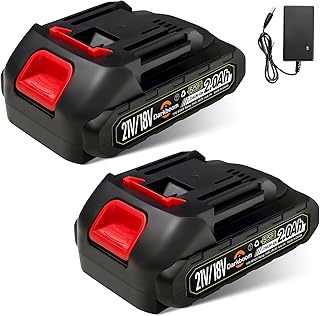
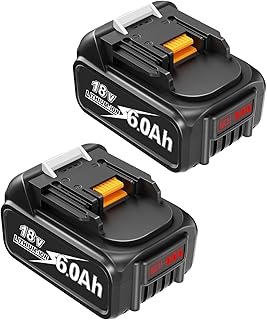


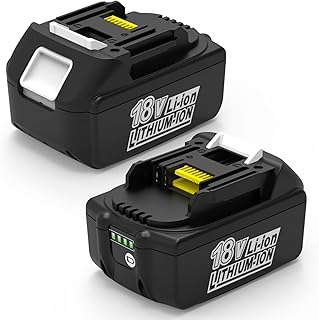


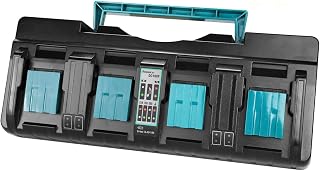
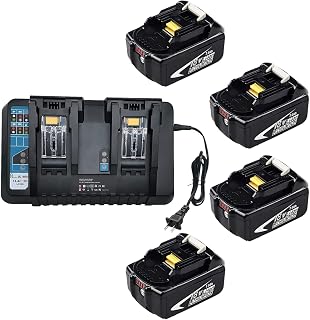

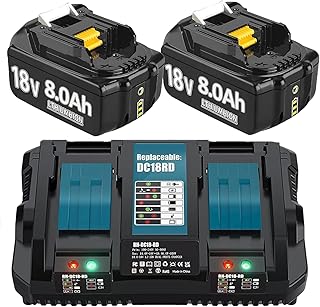


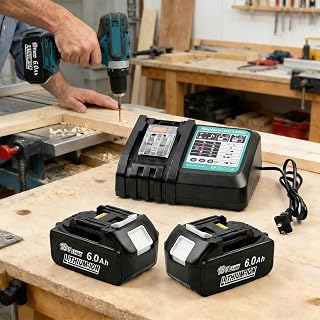
Choosing the right Makita battery and charger starts with compatibility. Makita cordless tools use different battery platforms, so the battery that fits one system should not automatically be assumed to work with another. For Canadian shoppers, the most important first step is to identify the exact platform and voltage required by the tool. Once compatibility is confirmed, capacity, charging speed, battery weight and the type of work being performed can help narrow down the best option.
The 18V LXT platform is a popular choice for users who already own several compatible Makita cordless tools. Makita's LXT range covers a broad selection of equipment, making it practical for homeowners, DIY users and tradespeople who want to maintain one battery ecosystem. Depending on the application, compact packs can help reduce overall tool weight, while higher-capacity batteries can provide more stored energy for longer jobs. The right balance depends on whether portability or extended runtime is the bigger priority.
Makita also offers the 40V max XGT platform for tools designed around higher-power cordless applications. XGT and LXT should be treated as separate battery ecosystems when checking compatibility. A higher voltage rating does not automatically make one battery a better choice. Instead, the battery should match the tool platform and the workload. Users building a new cordless setup can compare the requirements of their tools before deciding which Makita system best fits their needs.
Battery capacity is commonly expressed in amp-hours (Ah). In general, a higher Ah rating means more stored energy, but it does not guarantee a fixed number of hours of runtime. Actual runtime can vary with the tool, material, workload, temperature, battery condition and operating technique. A compact battery may be a sensible choice for drilling, fastening or overhead work where lower weight improves comfort. A larger-capacity pack can be more useful for demanding cutting, grinding, sawing or outdoor applications where reducing battery changes is important.
The charger is equally important. Before purchasing a replacement battery, confirm that the charger you already own supports the battery platform. For users operating multiple cordless tools, a dual-port or multi-port charging solution can make battery management more convenient. Rapid chargers may also be valuable for professionals who rotate several batteries throughout the working day. Occasional users may have less need for maximum charging speed and may prefer a straightforward charging solution that matches their existing battery inventory.
Canadian working conditions can also influence battery selection and care. If cordless tools are used outdoors during winter, cold temperatures can affect lithium-ion battery performance and charging behaviour. Follow the manufacturer's instructions for operating, storing and charging batteries in low-temperature conditions rather than treating extreme cold like normal indoor use. Keeping batteries protected from unnecessary heat, moisture and physical damage can also help support safe and reliable operation.
When comparing products in this category, look beyond the headline price. Check the exact model number, voltage, battery platform, Ah capacity and whether a charger is included. A battery-only listing may appear less expensive than a battery-and-charger kit because the charger is not included. If you already have a compatible charger, purchasing an additional battery may be the more practical choice. If you are entering a new platform or replacing an incompatible charging setup, a complete battery and charger kit may offer a more convenient solution.
Compatibility is particularly important when considering replacement or third-party batteries. Product descriptions should clearly identify the intended tool platform and compatible models. Buyers should compare listed specifications with current manufacturer information and be cautious about unusually low prices or unclear descriptions. Battery electronics, physical fit and protection systems can all affect suitability. Following the manufacturer's compatibility and safety guidance is preferable to assuming that every similarly shaped battery provides identical performance.
A practical Makita battery setup should reflect how you actually work. A homeowner using a drill occasionally may benefit from a lighter battery, while a contractor running several high-demand tools may value multiple batteries and faster charging. Users with several cordless tools can also create a battery rotation, keeping one pack in use while another charges. This can reduce downtime without requiring every tool to carry the largest available battery.
Use this category to compare Makita batteries, chargers and battery-and-charger combinations available for Canadian shoppers. Before ordering, confirm the exact battery platform, voltage and charger compatibility for your tool. Then compare capacity, weight, charging requirements and intended use to find a setup that delivers the right balance of runtime and convenience.
Find Makita battery and charger options for cordless tools, including 18V LXT, 40V max XGT, replacement batteries, charging solutions and battery-and-charger kits. Compare capacity, compatibility and charging requirements before choosing the right setup for your tools.