

Explore cordless power tools, kits, batteries, chargers, accessories and related equipment available to Canadian shoppers. Compare product options and follow useful buying guides before you buy.

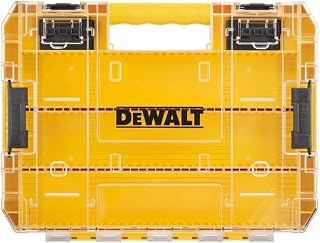


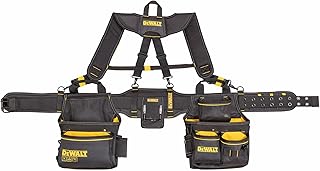


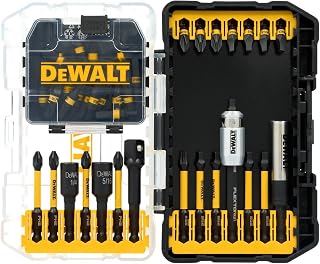


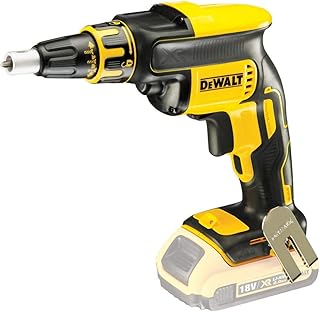


Choosing the right DEWALT cordless screwdriver is about more than selecting the model with the highest voltage or the most impressive specification. The best tool depends on the type of fastening work you regularly perform, the materials you work with, the required torque, the available workspace, battery compatibility and the amount of control you need.
For Canadian buyers, it is also worth considering battery availability, charger compatibility, cold-weather working conditions, replacement accessories and the wider DEWALT cordless platform. A compact screwdriver may be ideal for cabinetry and interior assembly, while a more powerful drill/driver may be better suited to construction, renovation and demanding fastening applications.
This guide explains the specifications and practical considerations that can help you compare DEWALT cordless screwdrivers more effectively. Product specifications can vary by model, kit configuration and market, so always check the exact model number and included accessories before purchasing.
DEWALT has a broad cordless power-tool range covering compact screwdrivers, drill/drivers, impact drivers and combination kits. One of the major advantages of choosing a DEWALT tool is the potential to build around a compatible battery platform rather than purchasing a completely separate battery and charger for every tool.
For users who already own compatible DEWALT batteries, a tool-only configuration can sometimes be a practical way to expand an existing collection. New buyers, however, should compare the total kit contents rather than judging the price of the bare tool alone.
DEWALT tools are commonly designed with professional construction, renovation, woodworking, installation and general maintenance applications in mind. Different models can have significantly different dimensions, torque characteristics, speeds and control systems, so model selection remains important.
These tools can look similar, but they are designed for different fastening situations. Understanding the distinction can prevent an expensive buying mistake.
A dedicated cordless screwdriver is generally focused on controlled screwdriving and repetitive fastening. Compact dimensions and lower weight can be valuable when working overhead, inside cabinets or in confined areas.
These tools can be particularly useful for furniture assembly, electrical installation, light maintenance, cabinetry, fixtures and other applications where precision matters more than maximum drilling power.
A cordless drill/driver offers greater versatility. In addition to driving screws, it can drill holes using compatible drill bits. Many models include an adjustable clutch, variable speed and a two-speed gearbox.
If you want one cordless tool for general home improvement, woodworking and routine construction tasks, a drill/driver may offer greater flexibility than a dedicated screwdriver.
An impact driver is designed for applications requiring higher fastening force and efficient driving of longer or larger fasteners. Its impact mechanism can make demanding fastening work easier, but it does not provide the same type of smooth clutch control associated with many conventional drill/drivers.
For delicate materials, small screws and applications where precise torque control is important, an impact driver may not always be the first choice.
Battery voltage can provide a general indication of the tool category, but it should not be treated as a standalone measure of performance. Motor design, gearing, electronics, battery capacity and overall tool architecture also influence real-world capability.
When comparing DEWALT cordless screwdrivers, check whether the model belongs to the battery platform you already use. Platform compatibility can simplify charging and battery management across multiple tools.
Battery capacity is commonly expressed in amp-hours. A higher-capacity battery can provide more operating time, although it can also increase weight and overall tool size.
A compact battery may be preferable for short fastening tasks and overhead work. A higher-capacity battery can make more sense when the tool will be used continuously for longer periods.
Torque is an important consideration when comparing cordless screwdrivers and drill/drivers. Higher torque can help with demanding fastening, but maximum torque is not necessarily the most important specification for every application.
For cabinet hardware, small screws and delicate materials, excessive torque can increase the risk of damaging the fastener or workpiece. For construction and heavy-duty applications, greater torque reserves can be useful.
Variable-speed control allows the user to adapt the tool to different tasks. Lower speeds can improve control when starting a fastener, while higher speeds can make repetitive work more efficient.
Models with multiple mechanical speed ranges can provide greater flexibility because the operator can select an appropriate balance between speed and torque.
A clutch is especially useful when working with screws that must be driven to a consistent depth without excessive force. Adjustable clutch positions allow the user to control how much torque is transferred before the mechanism disengages.
For woodworking, furniture assembly and installation work, clutch adjustment can be more useful than simply choosing the highest-powered tool available.
Check the chuck or bit interface before purchasing. Different DEWALT models may use different systems depending on whether they are designed primarily as screwdrivers, drill/drivers or impact tools.
Also consider the types of bits you regularly use. Standard screwdriving bits, specialty bits, nut drivers and drilling accessories may require different interfaces or adapters.
Tool weight becomes increasingly important during repetitive work. A heavy cordless tool can cause fatigue when it is held above shoulder height or used for extended periods.
Compact tools can be easier to manoeuvre around cabinets, shelving, electrical boxes and narrow workspaces. Larger tools may provide additional power or runtime but can be less comfortable for precision applications.
When comparing products, consider the weight of the complete setup rather than the bare tool alone. A high-capacity battery can noticeably change the balance and handling characteristics.
A well-designed handle can make a substantial difference during repeated fastening. Look for a grip that allows the tool to remain stable without requiring excessive hand pressure.
Balance is equally important. A tool that feels front-heavy may become tiring even if its listed weight appears reasonable. Trigger placement, control accessibility and the location of the forward/reverse switch can also affect everyday usability.
For professional users, small ergonomic differences can become significant over hundreds of fastening cycles. For occasional household use, compact dimensions and simple controls may be more important than advanced features.
Motor technology is another factor worth considering. Brushless motors eliminate traditional motor brushes and can offer advantages in efficiency, durability and electronic control.
Brushless DEWALT tools are often attractive to users who expect frequent use and want a modern cordless platform. Brushed models can still be suitable for occasional tasks where purchase cost and basic functionality are the primary considerations.
Do not assume that brushless automatically means that every model is the best choice. The overall tool design, battery system, ergonomics and intended application should still guide the decision.
Homeowners typically benefit from a compact, versatile tool that can handle furniture assembly, shelving, picture frames, hardware installation and routine repairs. Easy controls, manageable weight and sufficient battery runtime are often more useful than maximum power.
DIY users working on renovations may prefer a drill/driver with multiple speed ranges, an adjustable clutch and a versatile chuck. This combination can handle both screwdriving and drilling without requiring multiple tools for every task.
Woodworking requires control. Excessive torque can strip screw heads, split material or drive fasteners deeper than intended. A tool with precise speed control and an adjustable clutch can therefore be more useful than a high-torque model.
Professional construction users should pay closer attention to durability, battery ecosystem, runtime, charging options, ergonomics and the tool's ability to handle repetitive work. A compact impact driver may be preferable for demanding structural fastening, while a drill/driver can provide greater versatility.
Electricians, installers and maintenance professionals often work in confined areas where tool size and control matter. Compact cordless screwdrivers can provide an advantage when installing fittings, fixtures, panels and hardware in restricted spaces.
Compact dimensions can be a major advantage when working between studs, inside cabinets, beneath fixtures or around existing equipment. A shorter tool head can make it easier to position the bit directly over the fastener.
Before purchasing a compact model, compare the actual head length, battery position and overall profile. A tool may have a compact motor housing but still become awkward when paired with a large battery.
Battery runtime depends on the tool, battery capacity, workload, material, fastener size and operating technique. There is no universal runtime figure that applies to every application.
Canadian users should also remember that battery performance can be affected by low temperatures. If cordless tools are transported or stored in cold conditions, follow the battery manufacturer's storage and operating recommendations rather than immediately using a very cold battery under heavy load.
For frequent work, owning more than one compatible battery can reduce interruptions. One battery can be used while another is charging, provided the charger and battery system are compatible.
DEWALT cordless tools are often available in different configurations. A bare tool generally includes the tool without a battery and charger, while a kit may include one or more batteries, a charger and sometimes additional accessories.
If you already own compatible batteries, a bare tool can be practical. New users should calculate the combined cost of the tool, batteries and charger before comparing deals.
Also check exactly what is included in the package. Product images can show accessories that are not necessarily included in every configuration, so the manufacturer's stated package contents should take priority.
When reviewing a shortlist of ten DEWALT cordless screwdrivers, use the same criteria for every model. This produces a more meaningful comparison than looking at isolated specifications.
DEWALT is not the only established cordless tool manufacturer available to Canadian consumers. Milwaukee, Makita, Bosch and Ryobi also offer cordless fastening and drilling tools across different user categories.
The best brand depends on the battery platform, tool range, preferred ergonomics, application requirements and existing equipment. If you already own several tools from one ecosystem, staying within that platform can simplify battery ownership and charging.
Rather than choosing a brand solely because of its reputation, compare the exact models. A compact tool from one manufacturer may be a better fit for precision work, while a different model may provide better performance for demanding construction applications.
Compact models are usually easier to control and carry. They are particularly useful for light installation, furniture assembly, cabinetry and work in confined areas.
High-power models can be better suited to larger fasteners, tougher materials and demanding construction tasks. However, additional power often comes with increased size, weight and battery requirements.
If most of your work involves small screws, do not automatically pay more for maximum torque. If you frequently drive long structural screws, a compact screwdriver may not provide the performance you actually need.
Small screws require precision rather than brute force. An adjustable clutch and controllable trigger can help prevent overdriving and damage.
Medium-sized general-purpose screws are often well suited to versatile drill/drivers. Larger fasteners may require an impact driver or a higher-performance drill/driver, depending on the material and application.
Always select bits that correctly match the fastener head. A poorly fitting bit can increase slipping, stripping and damage regardless of how powerful the cordless tool is.
Woodworking applications benefit from predictable control. Before driving screws, select an appropriate pilot-hole size when required and choose a bit that fits the fastener accurately.
For softer woods, excessive torque can cause the screw to sink too deeply. For hardwoods, appropriate pilot holes and controlled fastening can help reduce splitting and improve consistency.
A DEWALT drill/driver with adjustable clutch settings may therefore be more useful to many woodworkers than a tool selected purely for maximum torque.
Construction applications can demand greater fastening speed, torque and battery capacity. If the tool will be used for long periods, ergonomics and battery management become just as important as raw performance.
Users working with structural fasteners should determine whether a conventional drill/driver or impact driver is more appropriate for the specific fastener and material. Always follow the requirements of the fastener manufacturer and the applicable construction instructions.
Safe operation starts with selecting the correct accessory and using the tool according to its instructions. Wear appropriate eye protection when drilling or driving where material or fastener fragments may become airborne.
Keep hands away from rotating components, secure the workpiece when appropriate and inspect bits before use. A damaged or worn bit can slip unexpectedly.
Before changing accessories, adjusting the tool or performing maintenance, follow the manufacturer's instructions for making the tool safe to handle. Remove or disconnect the battery when the instructions call for it.
Regular care can help keep a cordless tool ready for use. Keep ventilation openings free from excessive dust and inspect the chuck, bit holder, battery contacts and housing periodically.
Do not expose batteries to conditions outside the manufacturer's recommended operating or storage range. Store batteries and tools according to the manufacturer's instructions.
Replace worn or damaged accessories instead of continuing to use them. Screwdriver bits are consumable accessories, and a worn bit can make fastening less precise.
Customer reviews can provide useful information, but they should not replace specification checks. Look for reviews describing the same type of work you intend to perform.
Pay particular attention to comments about battery life, balance, trigger control, chuck performance, durability and ease of use. A review from someone using the tool for occasional household projects may not be directly relevant to a professional construction application.
Also separate comments about the tool itself from comments about shipping, packaging or retailer service. Those factors do not necessarily describe the cordless screwdriver's actual performance.
Canadian shoppers should verify the exact model designation, included components, battery configuration and applicable seller terms before ordering. Product availability and package configurations can change over time.
When comparing listings, make sure you are comparing the same model number. Two listings can appear nearly identical while including different batteries, chargers or accessories.
It is also sensible to compare the current price against the complete package rather than focusing only on the advertised headline price. A lower-priced bare tool may not represent better value if batteries and a charger must be purchased separately.
Price should be evaluated against actual requirements. A premium cordless tool may include features that are valuable to professional users but unnecessary for someone who only assembles furniture or performs occasional household repairs.
Conversely, choosing the cheapest model can be a false economy if it lacks the battery platform, control features or performance needed for your work.
The strongest purchase is usually the model that provides the right combination of power, control, size, battery compatibility and usability without paying for capabilities you will rarely use.
One of the most important considerations for cordless-tool buyers is the battery ecosystem. Once you own several compatible tools, shared batteries can make future purchases more convenient.
If you plan to add a DEWALT impact driver, drill, saw, light or other cordless tool later, consider whether the screwdriver you choose fits the same battery family. This can reduce the number of different chargers and battery types you need to manage.
However, battery compatibility should always be confirmed from the exact manufacturer's specifications. Do not assume that every DEWALT battery fits every DEWALT cordless product.
There is no single best model for every Canadian buyer. The right choice depends on your fastening requirements, workspace, preferred battery platform, desired runtime and budget. Compare the exact specifications of the shortlisted models before making a decision.
DEWALT is a well-established power-tool brand with a broad cordless lineup. Its suitability depends on the individual model and the user's application. Battery compatibility and tool specifications should be considered alongside brand reputation.
Choose a dedicated screwdriver when compact fastening and control are your main priorities. Choose a drill/driver if you also need to drill holes and want greater general-purpose versatility.
Neither is universally better. An impact driver is generally more suitable for demanding fastening, while a screwdriver can provide better control for lighter and more delicate applications.
Brushless models can be attractive for frequent users because of their motor design and electronic control. For occasional users, the additional features may not be essential. Compare the complete tool specifications and your expected workload.
The appropriate battery depends on the workload. Smaller batteries can reduce weight, while higher-capacity batteries can provide longer operating periods. Consider the balance between runtime and portability.
No. Battery compatibility depends on the specific DEWALT battery and tool platform. Always verify compatibility using the exact model information before purchasing or connecting a battery.
Yes, appropriate DEWALT cordless tools can be useful for woodworking. Models with variable speed and adjustable clutch control can be particularly helpful when fastening screws into wood.
Compact dimensions, low weight, controllable speed and adjustable torque are useful characteristics for cabinet installation. A tool that is easy to position can be more valuable than one designed primarily for maximum power.
Torque matters, but the required amount depends on the fastener and material. Excessive torque can be counterproductive for delicate work, while demanding construction applications may require considerably more power.
If you already have compatible DEWALT batteries and a charger, a bare tool may make sense. If you are starting from scratch, compare the total cost and contents of complete kits.
Basic inspection and cleaning should be performed regularly, especially when tools are used in dusty environments. Follow the manufacturer's maintenance and storage instructions for the specific model.
The best DEWALT cordless screwdriver is the one that matches the work you actually perform. Start by identifying whether you need controlled screwdriving, general drilling and fastening or high-torque impact fastening. Then compare battery compatibility, tool size, weight, torque, speed control, clutch settings, accessory compatibility and kit contents.
For Canadian buyers, pay particular attention to the exact model number and battery configuration. Prices, inventory and kit contents can change, so compare current listings carefully and verify the specifications before ordering.
Whether you are a homeowner, DIY enthusiast, woodworker, installer or professional tradesperson, a thoughtful comparison can help you avoid paying for unnecessary performance while ensuring that the tool has enough capability for your most demanding regular tasks. DEWALT offers tools across a wide range of applications, making it possible to select a configuration based on practical requirements rather than simply choosing the most powerful option.
Before making the final decision, compare verified customer feedback, manufacturer specifications and the complete package contents. The right combination of power, control, ergonomics, battery compatibility and long-term platform value is more important than any single specification.