

Explore cordless power tools, kits, batteries, chargers, accessories and related equipment available to Canadian shoppers. Compare product options and follow useful buying guides before you buy.


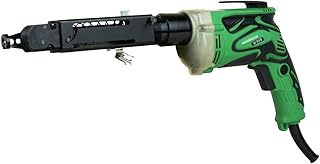

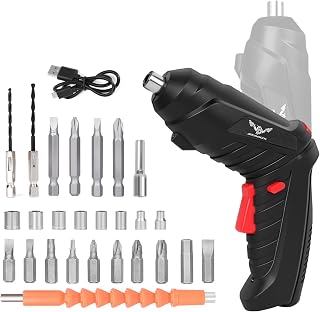
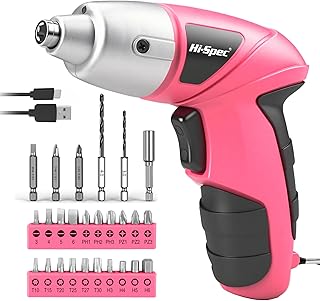
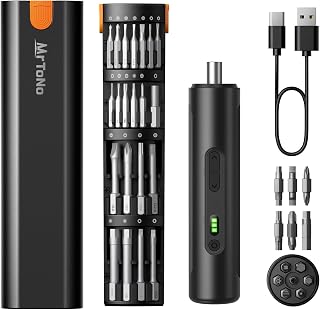
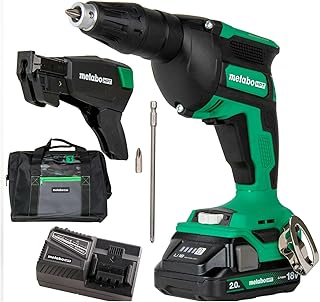


Choosing a cordless screwdriver is not simply a matter of selecting the highest voltage or the most powerful-looking model. The right tool depends on the type of fastening work you perform, the materials you work with, how frequently you use the tool, and whether you already own compatible batteries. For Canadian buyers, battery availability, cold-weather storage, warranty terms, charger compatibility, and the overall cordless platform are also important considerations.
Metabo HPT offers cordless tools designed for different levels of fastening and drilling work. Before comparing individual models, it helps to understand the specifications that actually affect day-to-day performance. A compact driver can be preferable for cabinet installation and electrical work, while a higher-torque drill driver may be more suitable for construction, renovation, and heavier fastening tasks.
Battery voltage gives a general indication of the tool platform, but it should not be treated as a direct measurement of performance. A well-designed compact cordless tool can be more practical than a larger model when the job involves repetitive fastening in confined areas.
When comparing Metabo HPT cordless screwdrivers, check the exact battery platform and whether the battery is included. Some listings may contain the bare tool only, while others can be sold as kits with one or more batteries and a charger. This difference can substantially affect the overall purchase cost.
If you already own compatible Metabo HPT batteries, a bare-tool purchase may make more sense. If you are entering the platform for the first time, compare the complete kit rather than judging products by the tool price alone.
Torque matters when a screwdriver or drill driver must drive fasteners consistently. Higher torque can help with demanding applications, but maximum torque is not the only specification that matters.
A useful cordless screwdriver should provide enough control for the fastener and material being used. Adjustable clutch settings are particularly valuable because they can help reduce over-tightening, stripped screw heads, damaged workpieces, and unnecessary wear on fasteners.
For furniture assembly, cabinetry, trim work, fixtures, and lighter installation jobs, precise low-speed control can be more useful than maximum power. For structural fastening or drilling larger holes, additional torque and a more substantial drill-driver design may be appropriate.
A variable-speed trigger allows the user to regulate the tool's rotation according to the task. Lower speeds can make it easier to start a screw cleanly, position a fastener, or work with delicate materials. Higher speeds can improve productivity when the application allows faster driving.
When comparing models, consider how smoothly the trigger responds to light pressure. Fine control is particularly useful for professional users who repeatedly switch between different materials and fastener sizes.
A mechanical clutch is one of the most useful features for controlled fastening. It allows the user to select an appropriate resistance level before the drive mechanism disengages or limits further torque.
More clutch positions can provide greater adjustment flexibility, but the number of settings should not be considered in isolation. The consistency of the clutch and the tool's overall ergonomics are more important than simply choosing the model with the largest advertised number.
Check the chuck design before buying. A compact cordless screwdriver may use a different bit-holding system from a conventional drill driver. Your existing accessories should match the tool you intend to purchase.
A keyless chuck can make bit changes convenient, while a hex-style holder can be particularly practical for users who frequently work with standard driver bits. Consider the types of drill bits, screwdriver bits, nut drivers, and specialty accessories already present in your toolbox.
Brushless motors have become an important consideration in cordless power tools. Compared with conventional brushed motor designs, brushless systems eliminate physical carbon brushes that normally contact the rotating motor components.
For frequent users, a brushless model can offer an attractive combination of efficiency, durability, and runtime characteristics. However, that does not mean every buyer needs a brushless tool. Someone who performs occasional household repairs may prioritize a lower initial cost, compact size, or a complete kit instead.
Professional contractors and tradespeople who use their cordless tools throughout the working day may place greater value on brushless technology because runtime and long-term tool performance can have a direct effect on productivity.
Compact cordless screwdrivers are useful when access and manoeuvrability are more important than maximum power. They can be easier to use inside cabinets, closets, electrical enclosures, furniture assemblies, and other restricted spaces.
The lower weight can also make a noticeable difference during repetitive overhead or extended fastening work. If your projects involve hundreds of screws, reducing hand and wrist fatigue may be more valuable than choosing the largest available motor.
A full-size drill driver is generally more versatile when one tool must handle both drilling and fastening. These models can provide a wider range of applications, particularly for renovation, woodworking, construction, and general maintenance.
The trade-off is usually greater size and weight. Buyers should therefore consider whether they genuinely need the additional capability rather than assuming that a larger tool is automatically better.
Battery capacity is commonly expressed in ampere-hours, or Ah. In general terms, a higher-capacity battery can provide more stored energy, although actual runtime depends on the tool, workload, material, temperature, battery condition, and operating technique.
A larger battery may increase runtime but can also add weight. For lightweight fastening, a compact battery may provide better balance. For demanding construction work, a higher-capacity pack can reduce interruptions caused by battery changes.
Consider buying additional batteries if the tool will be used continuously. Having one battery in use while another is charging can be more practical than relying on a single pack.
Canadian conditions introduce considerations that may be less important in warmer climates. Lithium-ion batteries should be handled and stored according to the manufacturer's instructions, especially during periods of very low temperatures.
Cold conditions can temporarily affect battery performance and available output. Avoid exposing batteries to unnecessary temperature extremes, and allow a cold battery to reach an appropriate operating temperature before use or charging when required by the manufacturer's instructions.
For workshops, garages, contractors, and mobile users working through Canadian winters, sensible battery storage can help protect expensive cordless-tool equipment.
A cordless screwdriver can have impressive specifications and still be uncomfortable to use. Grip shape, balance, trigger position, tool length, battery placement, and overall weight all affect handling.
Pay particular attention to balance between the motor housing and battery. A tool that feels front-heavy can become tiring during repetitive work. A compact design can also be easier to control when working overhead or in awkward positions.
Professional users should consider ergonomics alongside power because a tool that is comfortable to operate can be easier to control over a long working session.
An integrated LED light can be useful when working inside cabinets, under sinks, behind fixtures, in utility areas, or in dimly lit rooms. It is a convenience feature rather than a substitute for proper workplace lighting, but it can make screw alignment easier.
Check the position of the LED rather than assuming that every tool illuminates the work area equally well. Shadowing around the chuck or bit can affect visibility when working close to a surface.
A cordless tool is part of a broader battery ecosystem. If you expect to purchase additional tools later, choosing a platform that matches your existing equipment can reduce the need to maintain several different battery and charger systems.
Metabo HPT competes in a crowded cordless-tool market that includes established platforms from brands such as Makita, DEWALT, Milwaukee, Bosch, and Ryobi. The best platform is not necessarily the one with the highest headline specification. It is the one that provides the combination of tools, batteries, chargers, accessories, and performance that fits your actual work.
Makita has a broad cordless tool ecosystem and is widely considered by buyers looking for extensive platform compatibility. When comparing Makita with Metabo HPT, look beyond the individual screwdriver and consider the wider range of tools you may eventually need.
DEWALT is another major choice for Canadian professionals and serious DIY users. The comparison should include battery platform, tool size, available kits, accessories, ergonomics, and the specifications relevant to your applications rather than relying solely on brand reputation.
Milwaukee offers a large selection of cordless equipment across professional trade categories. A buyer deciding between Milwaukee and Metabo HPT should compare the specific tool class and battery ecosystem that matches their work rather than assuming that one manufacturer is universally superior.
Bosch is known for compact professional and consumer-oriented power tools across several categories. For buyers who prioritize portability, compare tool dimensions, weight, battery configuration, torque control, and the availability of compatible accessories.
Ryobi is often considered by DIY users who want access to a broad cordless ecosystem. Metabo HPT may appeal to buyers whose priorities are more closely aligned with construction and professional-tool requirements. The appropriate choice depends on intended workload and platform needs.
Customer reviews can provide useful information, but they should be evaluated carefully. A single positive or negative comment rarely provides enough evidence to judge a power tool.
Look for recurring comments about battery life, chuck behaviour, trigger control, balance, durability, charging, noise, and ease of use. Reviews that explain the application are generally more useful than comments that simply state whether the buyer liked the product.
Also check the date of reviews and confirm that they refer to the exact model being considered. Retail listings can sometimes contain multiple variants, kits, generations, or configurations under closely related product names.
When two cordless screwdrivers appear similar, compare their specifications in a consistent order. Start with the intended application, then examine torque, speed range, clutch adjustment, battery system, weight, dimensions, chuck or bit-holder type, included accessories, and kit contents.
Next, consider whether you need drilling capability or primarily want a dedicated fastening tool. Finally, compare the total cost of ownership, including batteries, chargers, replacement accessories, and any additional equipment needed for your normal projects.
For occasional home repairs, furniture assembly, shelving, picture hanging, hardware installation, and general maintenance, a compact and easy-to-control cordless screwdriver can be an excellent choice.
There is usually little reason to select a heavy professional-grade configuration if your projects rarely require high torque. A comfortable grip, simple controls, suitable battery capacity, and convenient bit changes may provide more practical value.
Woodworkers should prioritize control and repeatability. Driving screws into softwood, hardwood, plywood, and engineered boards can require different settings, making variable speed and clutch adjustment useful.
For cabinet installation and furniture construction, compact dimensions can also be important. A smaller tool can make it easier to work inside cabinets and around hardware without repeatedly repositioning the workpiece.
Construction and renovation applications often demand greater endurance and versatility. Buyers in this category should pay close attention to battery capacity, motor design, torque, speed range, chuck quality, and overall durability.
If the tool will be used for both drilling and fastening, a drill driver may be more practical than a dedicated screwdriver. If the primary task is repetitive screw installation, a specialized fastening tool may provide better control and productivity.
Tradespeople should evaluate the tool as part of a working system. Battery interchangeability, charging strategy, ergonomics, service considerations, accessory compatibility, and expected daily workload can all matter more than a single headline specification.
For electricians, installers, carpenters, HVAC technicians, maintenance workers, and other professionals, compact dimensions can be particularly useful because work frequently takes place in restricted spaces.
The right accessories can have as much practical impact as the screwdriver itself. Consider the fastener types you use most often and select quality bits designed for those applications.
Routine care can help preserve the usefulness of a cordless power tool. Keep ventilation openings clear of accumulated dust and debris, inspect the chuck or bit holder regularly, and check the battery and charger for visible damage before use.
Do not force a bit when it is not appropriate for the fastener or material. Excessive pressure can damage both the accessory and the tool. Replace worn driver bits because damaged bits are more likely to slip or damage screw heads.
Follow the manufacturer's maintenance, charging, storage, and safety instructions for the exact model. Do not modify the battery pack or charger, and use only accessories and charging equipment approved for the relevant platform.
Wear appropriate eye protection when drilling or fastening materials that can produce chips or debris. Secure the workpiece whenever practical and select the correct bit for the fastener.
Keep hands away from rotating components and avoid loose clothing around moving parts. Remove or secure jewellery and other items that could become caught. Before changing accessories, follow the manufacturer's instructions for safely stopping and securing the tool.
For electrical work, plumbing, structural applications, or other specialist tasks, make sure the tool and accessory are appropriate for the specific job and follow applicable Canadian safety requirements.
The lowest purchase price does not always represent the best value. A less expensive bare tool may become more costly if you subsequently need to purchase batteries, a charger, and accessories separately.
Conversely, buying a large kit when you only need a small number of accessories can result in unnecessary expense. Compare the complete package and estimate what you will realistically use.
For existing cordless-tool users, battery compatibility can be one of the strongest value factors. Reusing compatible batteries and chargers may allow you to expand your tool collection without duplicating equipment.
The best Metabo HPT cordless screwdriver for one Canadian buyer may not be the right choice for another. A homeowner performing occasional repairs has different requirements from a contractor using a cordless driver throughout the workday.
Focus first on the application. Then compare torque, speed, clutch control, battery platform, motor type, weight, dimensions, chuck design, ergonomics, and included equipment. Consider the wider battery ecosystem if you expect to purchase more cordless tools in the future.
Before buying, verify the exact model number and compare specifications from reputable retailers. Read verified customer reviews for practical information, but give greater weight to recurring feedback from users performing similar tasks. Prices, kit contents, stock status, and retailer policies can change, so check the current listing before making a final decision.
For Canadian buyers in 2026, the strongest purchase is ultimately the model that provides the right combination of control, power, portability, battery compatibility, and long-term practicality for the work you actually perform.
There is no single best model for every user. The right choice depends on whether you need a compact fastening tool, a versatile drill driver, or a higher-performance option for demanding work. Compare the specifications and kit contents against your actual applications.
Metabo HPT produces cordless power tools aimed at professional and demanding applications. Suitability depends on the exact model and the workload. Professional users should compare the tool's specifications, ergonomics, battery system, and intended application before choosing a model.
A brushless model can be attractive for frequent users who value efficiency, durability characteristics, and cordless performance. Occasional users may find that a conventional model better fits their budget and workload.
No. Higher voltage can be associated with more powerful tool platforms, but it can also mean additional size and weight. Choose a platform according to the work you perform rather than voltage alone.
Choose a bare tool when you already have compatible batteries and a charger. A kit can be more practical for first-time buyers entering a battery platform because it may include the essential battery and charging equipment.
Battery capacity affects how much energy the battery can store, but actual runtime varies with workload, tool design, material, temperature, and battery condition. Larger batteries can provide longer operating periods but may increase weight.
That depends on the model. Some cordless screwdrivers are primarily designed for fastening, while drill drivers are designed for both drilling and screwdriving. Check the exact manufacturer's specifications before using a tool for drilling.
Battery compatibility depends on the specific Metabo HPT battery platform and tool generation. Never assume that two products are compatible simply because they carry the same brand name. Verify compatibility using the exact model information.
Look for repeated comments about battery runtime, handling, torque control, chuck performance, durability, balance, and ease of use. Reviews from customers performing similar tasks are generally more useful than ratings without detailed explanations.
Inspect the tool regularly, particularly before frequent or demanding use. Keep ventilation openings clean, check the battery and charger for visible damage, maintain the chuck or bit holder, and follow the manufacturer's instructions for maintenance and storage.