

♥ Wishlist

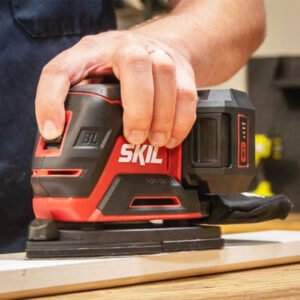
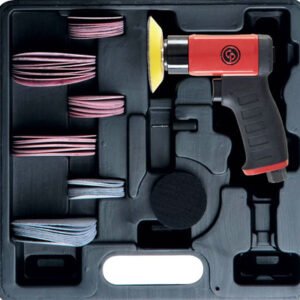
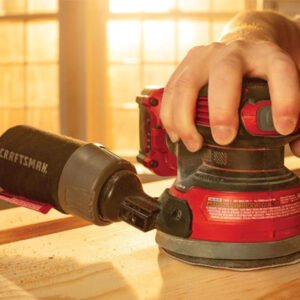
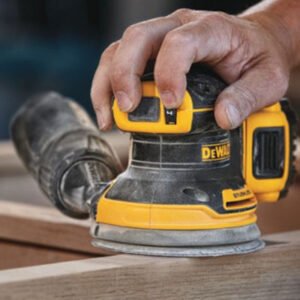
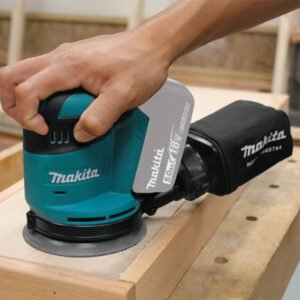
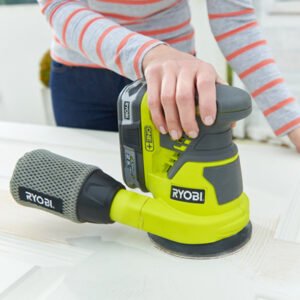


A cordless sander gives you the freedom to work without staying close to an electrical outlet. For Canadian homeowners, DIYers, renovators and woodworkers, this can make sanding easier in workshops, garages, job sites and outdoor work areas. Modern battery-powered sanders are designed to provide useful power and convenient handling while eliminating the need to manage an extension cord during every pass.
When comparing cordless sanders, start by considering the type of work you normally perform. Random orbital sanders are versatile choices for smoothing wood, preparing surfaces and producing a consistent finish. Sheet or finishing sanders can be useful when controlled sanding and detail work are the priority. Detail sanders are designed for smaller surfaces, corners and harder-to-reach areas, while other specialised designs may be better suited to particular professional applications.
The main advantage of a cordless model is mobility. Without a mains cable trailing behind the tool, you can move around a workpiece more freely and set up wherever the job takes you. This is particularly convenient for renovation projects, furniture restoration and construction tasks where access to power may be limited.
Battery operation can also make setup and pack-up quicker. Instead of positioning an extension lead before sanding, you can install a charged battery and begin working. Many cordless platforms also use interchangeable batteries, allowing users who already own compatible tools to share their battery packs and chargers across their collection.
Battery compatibility is an important consideration when choosing a cordless sander. If you already own battery-powered tools, staying within the same platform may reduce the need to purchase additional batteries and chargers. Runtime depends on the battery capacity, sanding load, material and operating conditions, so consider keeping a spare charged battery available for longer projects.
The sanding motion affects how a tool performs. Random orbital models combine rotational and orbital movement to help produce smooth finishes and reduce visible sanding patterns when used correctly. Look at the tool's intended application rather than choosing solely on advertised speed or power figures. Matching the sanding action to the material and finish you need can make a bigger difference to productivity and results.
Sanding can produce a substantial amount of dust, making dust management an important feature. Many cordless sanders include an integrated dust collection system or can be connected to a suitable dust extractor. Effective dust collection can help keep the work area cleaner and improve visibility while sanding. Always use appropriate respiratory and eye protection for the material and work environment.
Comfort matters when sanding large surfaces or working for extended periods. Compare overall tool weight, grip design, balance and switch placement. A compact, well-balanced cordless sander may be easier to control during detailed work, while a larger model may provide features better suited to heavier-duty applications.
For woodworking, a cordless sander can help prepare boards, smooth edges and refine surfaces before staining, painting or finishing. DIY users may find these tools useful for refreshing furniture, repairing wooden surfaces and completing home improvement projects. Renovators can also benefit from cordless mobility when preparing trim, doors, cabinets and other surfaces.
Before sanding, select the correct abrasive for the material and the stage of the job. Coarser abrasives are generally used for faster material removal, while finer grades are commonly used for final smoothing. Work progressively through suitable grits and avoid applying excessive pressure, which can reduce sanding efficiency and produce an uneven finish.
Choosing the best cordless sander depends on the projects you undertake, the surfaces you work on and the battery ecosystem you prefer. Consider sanding action, pad or sheet size, dust collection, ergonomics, variable-speed control and battery compatibility before making your decision. Whether you need a portable sander for occasional DIY projects or a dependable option for regular woodworking, comparing these factors can help you find a model suited to your requirements.
Canadian shoppers should also consider where and when the tool will be used. A cordless sander can be especially convenient when working away from indoor outlets or moving between different areas of a property. With the right abrasive, technique and battery capacity, a suitable cordless model can become a useful addition to a home workshop or professional tool collection.
Find the right cordless sander for smooth, consistent results without the restriction of a power cord. Cordless sanders are a practical choice for woodworking, furniture projects, home renovation, finishing work and DIY tasks where portability matters. Browse the category to compare different sander styles, power options, features and applications before choosing the tool that fits your project.