

Explore cordless power tools, kits, batteries, chargers, accessories and related equipment available to Canadian shoppers. Compare product options and follow useful buying guides before you buy.
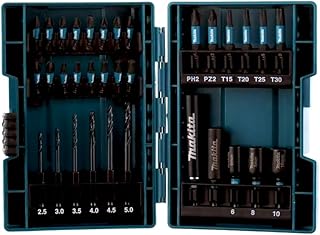


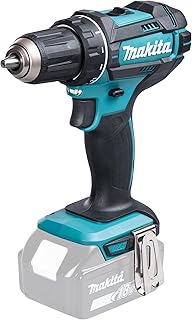


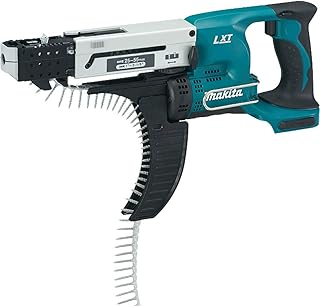

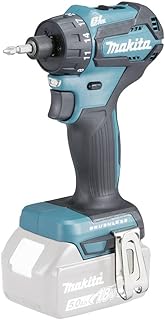


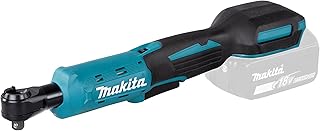


Choosing a Makita cordless screwdriver is not simply a matter of selecting the newest model or the highest voltage. Different tools are designed around different types of fastening work, materials, access requirements and working environments. A compact screwdriver can be preferable for cabinet installation and light assembly, while a higher-torque drill driver may be more appropriate for demanding construction tasks.
Canadian buyers should also consider battery compatibility, charger requirements, cold-weather use, ergonomics, chuck or bit-holder design, speed control and the availability of compatible accessories. Comparing these details alongside verified customer feedback can make it easier to identify a tool that fits the work rather than choosing based on specifications alone.
The terms cordless screwdriver and cordless drill are sometimes used interchangeably, but they can describe different tool categories. A dedicated cordless screwdriver is generally focused on controlled fastening, compact handling and repetitive screwdriving. A cordless drill driver usually provides a chuck that accepts a wider range of drill bits and accessories, making it more versatile for drilling and fastening.
For furniture assembly, electrical installation, cabinetry and routine screwdriving, a compact screwdriver may offer better control and easier handling. For general construction and home improvement, a drill driver can be a more flexible choice because it can perform both drilling and fastening tasks.
Makita's product range includes compact screwdrivers, drill drivers, impact drivers and other cordless fastening tools. Before choosing a model, identify whether your priority is precision, versatility, torque, speed, portability or access to tight spaces.
Battery compatibility is one of the most important considerations when comparing cordless Makita tools. Makita has developed several cordless platforms, and batteries are not automatically interchangeable across every Makita tool family.
The voltage printed on a battery is only one part of the buying decision. Buyers should verify the exact battery platform supported by the tool, particularly when purchasing a bare-tool version without a battery or charger.
For Canadian buyers building a larger cordless tool collection, staying within a compatible battery ecosystem can reduce the need to maintain multiple chargers and battery types.
Battery capacity affects how long a cordless tool can operate between charges, but runtime depends on considerably more than the capacity printed on the battery. Fasteners, material resistance, operating speed, tool load and user technique all influence energy consumption.
A higher-capacity battery can provide longer working time, but it may also add weight. That extra weight can become noticeable during overhead work, repetitive assembly or prolonged fastening. A smaller battery can make a compact screwdriver easier to handle when maximum runtime is not the primary requirement.
When comparing products, consider the complete combination of tool weight, battery size, expected workload and charging arrangements rather than choosing the largest battery automatically.
Torque determines how effectively a tool can apply rotational force to a fastener. However, the highest published torque figure does not automatically identify the best screwdriver for every application.
High torque can be useful when driving larger fasteners or working in resistant materials, but excessive torque can make delicate work more difficult. For cabinetry, furniture and finishing applications, controlled power may be more valuable than maximum output.
When comparing Makita models, examine the available clutch settings, speed ranges and control features alongside the advertised torque. These characteristics can have a greater effect on practical fastening performance than a single headline specification.
Variable-speed control is particularly useful when working with different fasteners and materials. Lower speeds can provide greater control during initial screw placement, while higher speeds can improve productivity when the application permits faster driving.
A good fastening tool should allow the user to regulate speed smoothly rather than forcing every task into a single operating range. This is particularly important when working with softer materials where excessive speed can damage the surface or strip a screw head.
A mechanical or electronic clutch can help regulate the amount of driving force applied to a fastener. This is valuable when consistency matters or when overtightening could damage the material.
For cabinet hardware, furniture, shelving and other finish-sensitive applications, controlled clutch operation can help reduce the risk of driving screws too deeply. For heavy-duty construction work, however, users may prioritize higher torque and direct power over delicate clutch control.
The interface between the tool and the accessory influences convenience and versatility. Drill drivers generally use a chuck capable of accepting different drill and driver bits, while dedicated fastening tools may use a hex-style bit holder.
Before purchasing, consider the accessories you already own. A tool that accepts your preferred bit format can simplify workflow and reduce the need to replace existing accessories.
Tool dimensions can be just as important as power. A compact cordless screwdriver can reach areas where a larger drill driver is difficult to position. This matters when installing hardware inside cabinets, assembling furniture, working around electrical components or fastening in confined spaces.
Pay attention to overall length rather than focusing only on the tool's physical height. The distance from the rear of the housing to the bit can determine whether the tool fits into a restricted work area.
A cordless screwdriver may be used for hundreds of fastening operations during a single project. Grip shape, trigger placement, balance and weight distribution therefore deserve careful consideration.
A tool that feels manageable for a few minutes may become tiring during extended work. Buyers should consider how the battery changes the balance of the complete tool, especially when comparing compact tools with larger high-capacity battery configurations.
Integrated LED lighting can be useful when fastening inside cabinets, beneath furniture, in utility spaces or in areas with limited illumination. It should not be treated as a replacement for proper task lighting, but it can improve visibility around the fastening point.
The placement and number of LEDs can influence how effectively shadows are reduced. Buyers who frequently work in confined or poorly lit locations should consider lighting design as part of the overall feature set.
Reliable forward and reverse controls are essential for practical screwdriving. Forward operation drives a fastener, while reverse operation allows screws to be removed.
The location and design of the direction switch matter because accidental changes can interrupt work. Buyers should also consider whether the controls remain accessible when using gloves.
Homeowners generally benefit from a tool that balances portability, versatility and ease of use. If most projects involve furniture, shelves, household repairs and occasional drilling, a compact drill driver may provide greater versatility than a dedicated screwdriver.
Cabinet installers and furniture builders may prioritize compact dimensions, controlled torque and precise speed regulation. A lighter tool can also reduce fatigue during repetitive fastening.
Professional users should evaluate the tool based on the complete workflow. Battery availability, charging requirements, durability, ergonomics, accessory compatibility and service considerations can become more important than a single performance specification.
Installation work often involves fastening in restricted areas. Compact dimensions, low-speed control and manageable weight can therefore be valuable. Users should select tools appropriate for the specific work environment and follow all relevant electrical safety procedures.
Makita is one of several established power tool brands available to Canadian consumers. Depending on the buyer's existing battery ecosystem and tool requirements, alternatives from brands such as DeWalt, Milwaukee, Bosch, Ryobi and Metabo HPT may also deserve consideration.
The most useful comparison is not simply brand against brand. Compare equivalent tools based on battery platform, torque, speed, weight, dimensions, accessory compatibility, included equipment and intended application.
Makita and DeWalt both offer extensive cordless tool ecosystems. Buyers already invested in either platform may find it practical to remain within that ecosystem, provided the particular tool meets the project's requirements.
Milwaukee offers a broad range of professional cordless tools, while Makita is also known for its extensive cordless lineup. When comparing specific screwdrivers or drill drivers, focus on the individual models rather than assuming one brand is universally superior.
Bosch provides cordless fastening and drilling tools across several categories. Bosch may be worth considering when compact dimensions, specific accessories or compatibility with an existing Bosch battery platform are important.
Ryobi is widely associated with its broad cordless ecosystem and consumer-oriented tool selection. For occasional home use, buyers may compare total kit cost and platform flexibility alongside performance requirements.
Voltage can provide useful context, but it does not tell the entire story. Tool design, motor technology, gearing, battery capacity, ergonomics and intended application all influence practical performance.
A bare tool may look less expensive than a complete kit because it does not include the battery or charger. Always compare packages on an equivalent basis.
Maximum power is not always an advantage. Excessive torque can make precision fastening harder, while larger batteries can increase fatigue.
A powerful tool that cannot comfortably reach the work area is not necessarily the right tool. Check the complete dimensions and consider access before buying.
If you already own compatible Makita batteries, a bare tool may be a practical option. If you do not own compatible batteries, the cost of a complete kit should be considered.
Makita has multiple cordless platforms. Always confirm compatibility for the exact tool and battery combination before purchase.
A useful comparison should consider more than customer ratings. Ratings can help identify common user experiences, but specifications and intended use should remain central to the buying decision.
Some buyers searching for a cordless screwdriver actually need an impact driver. Impact drivers are designed for high-torque fastening and can be particularly useful for larger screws and demanding construction applications.
However, an impact driver is not automatically better for precision work. The impact mechanism can be unnecessary for furniture assembly, delicate materials and applications where controlled fastening is more important than maximum driving force.
A drill driver is often the better choice for buyers who need one cordless tool for both drilling and screwdriving. Its chuck allows it to accommodate drilling accessories as well as driver bits.
For homeowners who perform varied maintenance projects, this versatility can outweigh the smaller size of a dedicated screwdriver.
Battery selection should reflect the application. A compact battery can make the tool lighter and easier to maneuver. A larger battery may provide more runtime for demanding work but can increase overall weight.
For occasional household fastening, portability may matter more than maximum runtime. For professional users performing continuous fastening, battery capacity and charging strategy may become more important.
Canadian conditions make storage and operating environment worth considering. Cordless tool batteries should be handled and stored according to the manufacturer's instructions, particularly when temperatures are very low.
Before using a battery that has been exposed to extreme temperatures, consult the manufacturer's guidance. Avoid making assumptions about charging or operating conditions because lithium-ion battery performance and charging requirements can be affected by temperature.
Routine care can help keep a cordless screwdriver ready for use. Maintenance requirements vary by model, so the manufacturer's instructions should always take priority.
The cordless screwdriver is only one part of the fastening system. Poor-quality or worn bits can cause slipping, damaged screw heads and inconsistent results.
Use the correct bit type and size for each fastener. A bit that does not properly match the screw head can increase the likelihood of cam-out and surface damage.
For frequent professional work, keeping commonly used bit sizes readily available can improve productivity and reduce interruptions.
Always read the tool's operating instructions before use. Wear appropriate eye protection when the application creates a risk of flying particles, and secure the workpiece where necessary.
Customer reviews can provide useful information, but they should be interpreted carefully. A single positive or negative comment rarely establishes whether a tool is suitable for a particular application.
Look for recurring observations across multiple verified purchases. Pay particular attention to comments about battery compatibility, weight, balance, trigger control, chuck performance, durability and ease of use.
Also separate comments about the tool itself from comments about packaging, shipping or retailer service. Those issues may not accurately represent the product's operating characteristics.
Current pricing can vary by retailer, package configuration and promotional period. A lower advertised price does not necessarily represent the better value if it is a bare-tool package and another listing includes a battery and charger.
When checking prices, compare equivalent packages. Verify whether the listing includes the tool only, one battery, multiple batteries, a charger, a carrying case or additional accessories.
There is no single Makita cordless screwdriver that is ideal for every Canadian buyer. The best choice depends on the work being performed.
The best option depends on the intended application, required torque, preferred battery platform, tool size and budget. A compact model may be preferable for precision fastening, while a drill driver or impact driver may be more appropriate for heavier or more versatile work.
Makita offers cordless fastening tools suitable for a wide range of applications. DIY buyers should select the specific model according to the required power, size, battery system and type of work rather than choosing solely by brand.
Choose a screwdriver when controlled fastening and compact handling are the priorities. Choose a drill driver when you also need to drill holes and want a more versatile tool.
No. Higher voltage can be associated with different performance characteristics, but the ideal tool depends on the application. For light fastening, a compact lower-power tool may be easier and more comfortable to use.
No. Battery compatibility depends on the specific Makita platform and tool. Always check the manufacturer's compatibility information for the exact model.
A bare tool can make sense when you already own compatible batteries and a charger. A complete kit may be more practical for buyers starting a new battery platform.
Neither is universally more important. Heavy-duty fastening can require substantial torque, while repetitive precision work may benefit more from a lightweight and well-balanced tool.
It depends on the tool's design and specifications. For larger or demanding fasteners, an appropriately rated drill driver or impact driver may be more suitable than a compact screwdriver.
Ratings are useful as one part of the evaluation. They should be considered alongside specifications, verified review details, intended application, battery compatibility and package contents.
Product availability, specifications, retailer pricing and customer feedback can change during the year. Before purchasing, verify current information for the specific product and package you are considering.
The strongest buying decision comes from matching the tool to the job rather than selecting a product simply because it has the highest specification or the largest number of positive reviews. Start by identifying the type of fastening you perform most often. Then compare battery platform, torque, speed control, clutch operation, dimensions, weight and accessory compatibility.
If you already own Makita cordless tools, battery compatibility can be an important factor. If you are starting from scratch, compare the complete cost and usefulness of the available tool ecosystem. Also remember to compare like-for-like packages when reviewing current Canadian prices.
For occasional DIY work, simplicity and versatility can be more valuable than professional-level power. For frequent trade work, ergonomics, battery management, durability considerations and workflow efficiency deserve greater attention. The right Makita cordless screwdriver is ultimately the one whose specifications and design align with your actual tasks.