

♥ Wishlist
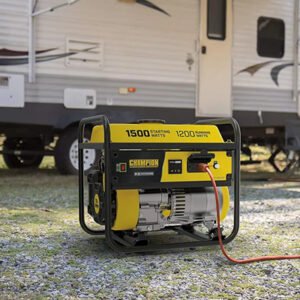
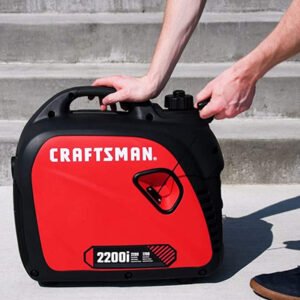
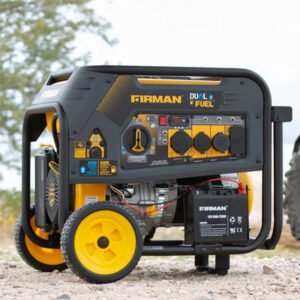
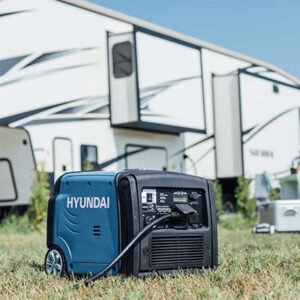





Reliable backup power can make a major difference during a Canadian power outage, outdoor trip, renovation project or remote jobsite. The best generator for your needs depends on far more than its advertised wattage. Before buying, consider what you need to power, how long you expect the generator to run, which fuel is practical for you, how portable the unit needs to be and where it will be operated.
Our generators category brings together options for a wide range of applications, from compact portable and inverter generators to higher-output units designed for demanding backup or worksite requirements. You may also encounter dual-fuel generators and battery-powered solar generators, giving Canadian shoppers more flexibility when comparing traditional fuel-powered equipment with newer portable power solutions.
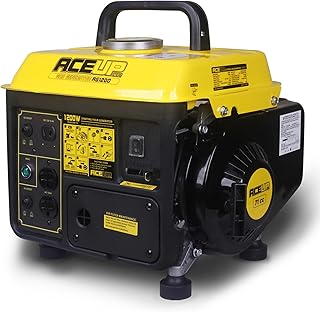
Portable generators are a versatile choice for emergency power, outdoor work, construction and recreational use. They can provide substantial output while remaining movable and storable when not required. Inverter generators are often preferred for camping, RVs and applications where lower noise, compact dimensions and stable electrical output are important. Their ability to adjust engine speed according to demand can also make them attractive for lighter loads.
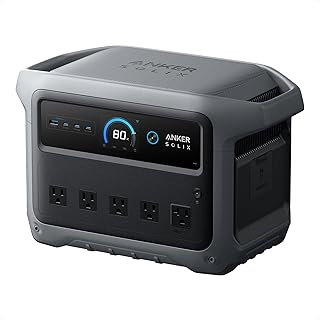
Dual-fuel generators provide another practical option by supporting two fuel sources, commonly gasoline and propane. This flexibility can be particularly useful during extended outages when access to one fuel type may become inconvenient. Battery power stations and solar generators offer a different approach, using stored electrical energy rather than a conventional combustion engine. They can be useful for quiet indoor-adjacent backup applications where appropriate, camping, electronics and portable power needs, although their output and energy capacity should be matched carefully to the intended equipment.
Generator capacity should be based on the actual electrical load you expect to operate. Running watts indicate the continuous output a generator can provide, while starting watts or surge watts represent temporary additional capacity available when equipment starts. Motors and compressors can require significantly more power during startup than during normal operation.
Make a list of the appliances, tools or devices you expect to use simultaneously and check their manufacturer-rated power requirements. Refrigerators, freezers, sump pumps, well pumps, compressors and power tools may have notable starting demands. Selecting a generator solely because its headline wattage appears high can lead to an unsuitable purchase if the continuous rating or surge capacity does not meet your actual requirements.
Gasoline generators are widely used for portable applications and can be convenient when quick refuelling is required. Propane models can appeal to shoppers who already use propane and prefer an alternative fuel-storage arrangement. With dual-fuel models, compare the rated output and runtime for each fuel rather than assuming performance will be identical.
Runtime is another important consideration for Canadian emergency backup. A manufacturer's maximum runtime normally depends on a stated load and operating conditions. A generator running a light load may operate considerably longer than the same unit powering several appliances. For extended outages, examine fuel capacity, expected load and refuelling requirements together.
Portability also matters. Check the generator's weight, dimensions, wheels, handles and lifting points before purchasing. A high-output generator may provide excellent capacity but can be difficult to move or store. Compact inverter generators and battery power stations can be easier to transport for camping, RV trips and occasional outdoor use.
Canadian weather adds another consideration to generator selection. Cold temperatures can affect starting, batteries, oil behaviour and general engine operation. Follow the manufacturer's cold-weather guidance and use the recommended oil specification for the expected temperature range. Keep ventilation openings and exhaust paths clear of snow, ice and other obstructions.
For home backup, identify essential loads before deciding how much capacity you need. Refrigeration, lighting, communications equipment, selected heating systems and sump pumps may be more important than attempting to operate every appliance in the home. Larger whole-home backup systems require careful electrical planning and may need professional installation.
Fuel-burning generators must always be operated outdoors in accordance with the manufacturer's instructions. Never use a gasoline or propane generator inside a home, garage, basement, shed, tent, vehicle or other enclosed or partially enclosed space because of the risk of carbon monoxide poisoning. Keep exhaust directed away from doors, windows and other building openings.
Never connect a portable generator to a household wall outlet with an improvised cable. For supplying household circuits, use an appropriate professionally installed transfer switch or approved connection method. Allow a fuel-powered generator to cool before refuelling and follow all manufacturer instructions for operation, maintenance and storage.
Whether you need emergency backup, portable power for a campsite, dependable electricity for an RV or additional capacity for a jobsite, comparing generator type, wattage, fuel, runtime, noise, portability and connection options will help you make a more informed purchase. Always verify the current manufacturer's specifications and Canadian requirements for the exact model before buying.
Find the right generator for home backup, camping, RV travel, construction sites, outdoor projects and emergency power needs. Compare generator types, power outputs, fuel options, portability, runtime and essential features to choose a solution suited to Canadian conditions.