

Explore cordless power tools, kits, batteries, chargers, accessories and related equipment available to Canadian shoppers. Compare product options and follow useful buying guides before you buy.
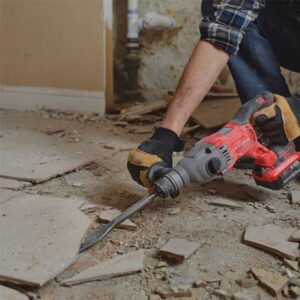
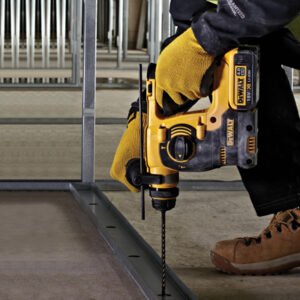
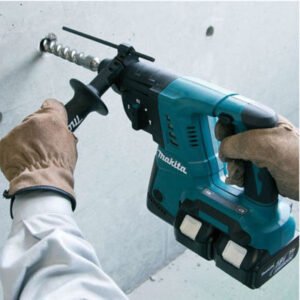
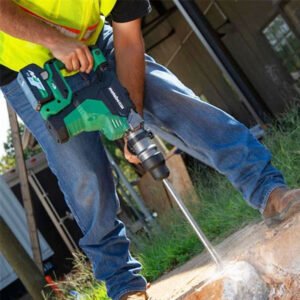
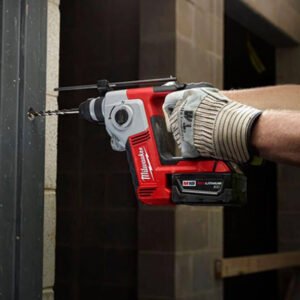
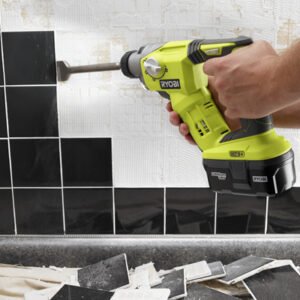
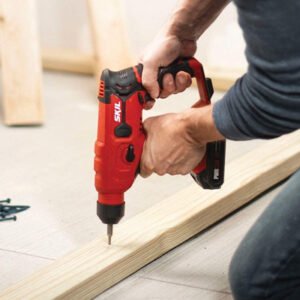


A cordless SDS hammer drill is a specialised tool for drilling into concrete, masonry, brick and other mineral-based materials. Unlike a conventional cordless drill/driver, an SDS rotary hammer is designed around a hammering mechanism and SDS chuck system that allow the tool to deliver repeated impact energy directly through compatible masonry bits.
For Canadian buyers, the right choice depends on considerably more than headline voltage. Battery platform, impact energy, drilling capacity, vibration control, tool weight, chuck type, ergonomics, charger compatibility and the type of concrete work you expect to perform can all have a major effect on whether a particular model is genuinely suitable.
The most useful way to compare cordless SDS rotary hammers is therefore to match the tool's capabilities with the work rather than automatically choosing the model with the largest battery or highest advertised specification.
Before comparing brands such as DeWalt, Milwaukee, Makita, Bosch, Hilti, Metabo HPT and Ryobi, identify which SDS interface you actually need. SDS-Plus and SDS-Max are not interchangeable systems.
SDS-Plus is generally the more versatile choice for homeowners, renovators, electricians, plumbers, HVAC installers and tradespeople who regularly drill anchor holes and moderate-sized openings in concrete and masonry.
SDS-Max is intended for substantially heavier drilling and demolition applications. The larger accessory system is designed for higher-demand work where a compact SDS-Plus machine may be outside its practical operating range.
If most of your work involves ordinary concrete anchors and penetrations, buying an SDS-Max hammer drill simply because it appears more powerful can be unnecessary. Conversely, repeatedly pushing an SDS-Plus tool beyond its intended application can lead to slower work, excessive wear and poor user comfort.
The terms hammer drill and rotary hammer are sometimes used interchangeably in product listings, but the underlying tools can be very different. A conventional hammer drill normally uses a mechanical hammering action integrated into a standard drill mechanism. A rotary hammer uses a dedicated impact mechanism and an SDS accessory interface.
For occasional drilling into soft masonry, a hammer drill may be adequate. For repeated concrete drilling, especially when drilling multiple holes or using larger masonry bits, a cordless SDS rotary hammer is normally the more appropriate category.
Impact energy is one of the most useful specifications when comparing rotary hammers. It describes the energy delivered by each hammering action and provides a better indication of concrete-breaking capability than battery voltage alone.
A higher impact-energy rating can be advantageous for larger holes and demanding masonry work, but maximum impact energy is not automatically better for every user. A heavier machine can become tiring when used overhead or for repeated small holes.
Blows per minute indicate how frequently the hammer mechanism impacts. This specification should be considered alongside impact energy rather than in isolation. A tool producing many relatively light impacts is not necessarily equivalent to a tool delivering fewer but substantially stronger impacts.
Rotational speed affects how the bit behaves during drilling. Concrete drilling is not simply a matter of selecting the highest possible RPM. The appropriate operating characteristics depend on bit diameter, material, drilling technique and the manufacturer's recommendations.
Maximum drilling diameter is useful for establishing the tool's intended range, but it should not be interpreted as an ideal everyday operating diameter. A tool advertised for a particular maximum hole size may perform very differently when drilling that diameter continuously compared with occasional smaller holes.
Weight becomes increasingly important during overhead drilling, ladder work, repetitive anchor installation and long renovation projects. Two tools with similar drilling specifications can feel substantially different in practical use because of battery placement, handle design and balance.
Vibration control is particularly important for users who operate a rotary hammer frequently. Look for models that incorporate vibration-reduction features appropriate to their design, and follow the manufacturer's guidance for operating technique, accessories and exposure.
Battery capacity is commonly expressed in ampere-hours, but a larger capacity battery is not automatically the best choice. It can increase runtime while also adding weight. A compact battery may be preferable for overhead work, whereas a higher-capacity pack can make sense for intensive ground-level drilling.
If you already own cordless tools, staying within the same battery ecosystem can be one of the most practical purchasing decisions. DeWalt, Milwaukee, Makita, Bosch, Metabo HPT and other manufacturers have developed tool platforms where compatible batteries can be shared among selected products.
Before buying a bare tool, check exactly which battery family it requires. Similar-looking batteries from the same manufacturer are not necessarily compatible across every generation or voltage class.
A high-capacity battery can extend working time between charges, but it also adds mass. This trade-off is particularly noticeable with cordless SDS hammers because the tool itself already contains a substantial mechanical impact system.
For repetitive floor-level drilling, additional battery capacity may be more valuable than minimum weight. For overhead drilling, installation work and applications where the tool is frequently repositioned, a smaller battery can provide a more manageable setup.
Some cordless platforms also offer higher-output battery technologies intended to maintain performance under heavy loads. When comparing these systems, consider the complete combination of tool, battery and charger rather than judging the bare tool alone.
Many current cordless rotary hammers use brushless motor technology. Brushless systems eliminate traditional motor brushes and can support efficient electronic control, depending on the manufacturer's implementation.
Electronic controls can also provide features such as variable speed, electronic braking, overload protection, anti-rotation protection or selectable operating modes. The exact feature set differs by model, so specifications should be checked individually rather than assuming every brushless SDS hammer offers the same functions.
The most versatile cordless SDS rotary hammers commonly provide more than one operating mode. The exact combination varies by model.
A hammer that only drills may be preferable if chiselling is irrelevant and minimum weight is the priority. A multi-mode model can be more useful for renovation projects where drilling and light chiselling are both required.
Concrete is not a uniform material. Aggregate size, concrete age, hardness, reinforcement and the presence of embedded material can all influence drilling performance. A rotary hammer that performs quickly in one slab may behave differently in another.
Reinforced concrete presents an additional challenge because the bit can encounter steel reinforcement. Users should follow appropriate drilling procedures and confirm that drilling at the intended location is safe before starting. Building services, electrical wiring, plumbing and structural reinforcement can be concealed inside walls, floors and slabs.
For repeated anchor installation, an SDS-Plus cordless rotary hammer is often the most practical format. The key considerations are appropriate bit diameter, drilling depth, manageable weight and reliable battery performance.
Larger holes place greater demands on the impact mechanism, battery and operator. Compare the manufacturer's recommended drilling capacities and application guidance rather than assuming that the largest published capacity represents continuous-duty performance.
If tile removal, mortar removal or light demolition is part of the job, a model with a dedicated chisel-only mode can be significantly more useful than a drill-only machine. Heavier demolition, however, may call for a dedicated demolition hammer rather than a general-purpose SDS rotary hammer.
DeWalt is a major cordless power-tool brand with a broad battery ecosystem. Buyers considering a DeWalt SDS rotary hammer should compare the specific XR, FLEXVOLT and other applicable platform options carefully because battery compatibility, size and intended duty can vary between tool families.
Milwaukee's M18 and related cordless systems include rotary hammer options aimed at professional and demanding applications. When comparing Milwaukee models, look beyond the M18 label and examine the exact hammer mechanism, battery requirements, drilling range, weight and protective electronics.
Makita offers cordless rotary hammers across its battery platforms, including compact SDS-Plus options and larger machines. Makita buyers should pay particular attention to whether the tool is intended for SDS-Plus or SDS-Max accessories and whether the supplied or required battery setup suits the intended workload.
Bosch has long been associated with rotary hammer and concrete-drilling equipment. Its cordless options span compact drilling machines and more substantial professional equipment, making exact model specifications more important than the brand name alone.
Hilti focuses heavily on professional construction equipment and concrete applications. Its cordless rotary hammers can be relevant for intensive trade use, but buyers should evaluate the complete ownership proposition, including the intended application, accessory ecosystem, tool size and battery system.
Metabo HPT offers cordless construction tools and rotary hammers that may appeal to buyers already invested in its battery platform. Compare the specific tool's impact energy, drilling capacity, ergonomics and battery requirements rather than selecting solely on platform reputation.
Ryobi's cordless ecosystem is particularly relevant to homeowners and DIY users who already own compatible tools. A Ryobi SDS rotary hammer can make sense when occasional concrete work needs to be added to an existing battery collection, provided the tool's drilling capability matches the intended applications.
The best cordless SDS hammer for a professional contractor is not necessarily the best choice for a homeowner. Professional users may prioritise sustained productivity, vibration management, durability, battery turnaround and compatibility with a larger accessory and tool ecosystem.
DIY buyers may place greater emphasis on price, compact dimensions, occasional-use versatility and the ability to share batteries with tools already owned.
A useful comparison should put the specifications into context instead of simply ranking models by voltage.
Battery voltage is an incomplete measure of rotary hammer capability. Impact mechanism design, impact energy, electronics, battery output and tool architecture can all affect actual performance.
More power can be useful, but unnecessary size can make routine drilling less comfortable. A compact SDS-Plus tool can be a better choice when most holes are relatively small.
Remember that the published tool weight may exclude the battery. For cordless equipment, evaluate the complete operating weight whenever possible.
SDS-Plus and SDS-Max accessories belong to different systems. Verify the chuck type before buying bits, chisels or other attachments.
A multi-mode rotary hammer may perform light chiselling, but it should not automatically be treated as a replacement for a dedicated demolition hammer. Match the tool to the expected duty cycle and material-removal requirements.
A capable rotary hammer paired with poor-quality, worn or inappropriate bits can deliver disappointing results. The accessory is part of the drilling system and should be selected for the material and hole size.
Drill-bit design can substantially affect drilling speed, hole quality and accessory life. SDS accessories are available in different configurations, with different designs intended for concrete, masonry and other applications.
Deep concrete drilling creates more debris than shallow anchor holes. Dust can obscure the hole, interfere with anchors and create an unhealthy working environment. Depending on the application, appropriate dust extraction or collection equipment may be necessary.
For professional indoor renovation work, compatibility with a suitable dust-extraction system can be an important buying criterion. Some rotary hammer systems are designed to work with dedicated dust-management accessories, while others may require a separate extraction setup.
Concrete drilling can generate significant reaction forces when a bit binds. Modern cordless rotary hammers may incorporate electronic protection designed to reduce the risk associated with sudden tool rotation or overload, depending on the model.
Canadian weather introduces considerations that may be less important in mild climates. Lithium-ion batteries can behave differently when exposed to very low temperatures, particularly during high-load operation. Users working in unheated garages, construction sites or outdoor environments should follow the battery manufacturer's temperature and storage recommendations.
A cold battery should not simply be treated as equivalent to a battery operating at normal room temperature. Battery management, storage conditions and charging procedures can affect practical usability.
Canadian buyers should confirm the exact kit contents and charger requirements rather than assuming that a product listing includes everything required for operation. Bare-tool listings can be attractive to existing platform users but may be poor value for someone starting from scratch.
Even a high-quality cordless SDS hammer drill requires appropriate care. Maintenance requirements vary by manufacturer and model, so the owner's manual should remain the primary reference.
Repeatedly operating a tool at the edge of its capability can be inefficient. Warning signs that the selected machine may be undersized include consistently slow progress on appropriate material, excessive heat, unusually rapid battery depletion, frequent overload protection and difficulty maintaining the required drilling rate.
These symptoms do not automatically mean the tool is defective. They can also indicate an unsuitable bit, excessive drilling diameter, inappropriate operating technique, unusually hard material or a job that requires a larger class of machine.
Oversizing has its own disadvantages. If a large rotary hammer spends most of its time making small anchor holes, the additional mass may provide little practical benefit.
Cordless technology is highly convenient, but cordless is not automatically superior for every concrete-drilling application. If the work is concentrated in one location with reliable electrical access and involves extended continuous operation, a corded rotary hammer can still be a sensible alternative.
Cordless machines become particularly attractive where mobility, rapid setup, work on unfinished sites and freedom from extension cords provide a meaningful advantage.
If the primary task is breaking concrete, removing substantial amounts of tile, stripping masonry or performing prolonged chiselling, a dedicated demolition hammer may be more appropriate than a general-purpose rotary hammer.
The distinction is important because drilling and demolition place different demands on the mechanism. A versatile rotary hammer is valuable for mixed drilling and light chiselling, while a purpose-built demolition tool is designed around material removal rather than hole drilling.
The initial tool price is only one part of the buying decision. A cordless SDS hammer may require batteries, a charger, SDS bits, chisels, cases and dust-management accessories.
A slightly more expensive bare tool can therefore represent better overall value if you already own several compatible batteries, while a lower-priced tool kit may be more attractive to someone entering a new cordless ecosystem.
Customer reviews can reveal useful information that specifications cannot, but they should be interpreted carefully. Look for patterns across multiple reviews rather than treating one positive or negative comment as definitive evidence.
There is no single best model for every Canadian buyer. The right choice depends on drilling diameter, concrete hardness, frequency of use, desired weight, battery platform and whether chiselling is required. A compact SDS-Plus model can be ideal for general renovation work, while larger professional machines are better suited to demanding construction applications.
Neither system is universally better. SDS-Plus is generally the more versatile choice for smaller and medium-sized drilling applications, while SDS-Max is intended for larger and heavier-duty work. Select the interface according to the accessory sizes and applications you actually need.
Not always. A rotary hammer is optimised for concrete and masonry and can be comparatively large for ordinary screwdriving and general drilling. A conventional drill/driver remains more convenient for many wood, metal and fastening tasks.
Yes. Drilling concrete is one of the primary applications for an SDS rotary hammer. Performance depends on the tool, bit, hole diameter, concrete composition and operating conditions.
Many SDS rotary hammers are suitable for masonry applications, including brick, when used with an appropriate accessory and operating mode. Always follow the manufacturer's instructions for the particular material.
Yes. SDS rotary hammers use compatible SDS accessories. The exact interface, such as SDS-Plus or SDS-Max, must match the tool.
Brushless motor technology can offer advantages in efficiency, electronic control and motor design, but the complete tool specification matters more than the brushless label alone. Compare impact energy, weight, battery system, modes and application ratings as well.
Buyers who already own compatible batteries and chargers may find a bare tool more practical. Buyers entering a new battery platform should compare the total cost of purchasing the tool, battery and charger separately against the available kit configuration.
There is no universal capacity requirement. Smaller batteries can reduce weight, while higher-capacity packs can provide longer runtime. The appropriate choice depends on drilling intensity, hole size and whether the tool is used overhead or at ground level.
Many professional cordless rotary hammers are designed specifically for demanding concrete and masonry applications. Whether a particular model is suitable depends on its impact energy, drilling capacity, battery system, duty requirements and the exact work being performed.
For general renovation, focus on a suitable SDS-Plus interface, useful concrete-drilling capacity, manageable weight, multiple operating modes if chiselling is required, a battery system that fits your existing tools and appropriate vibration and electronic protection features.
No. Higher impact energy can improve capability for demanding applications, but it can also come with increased tool size and weight. Match impact energy to the size and frequency of the work rather than buying the largest specification available.
The best cordless SDS hammer drill in Canada is the model that matches your concrete workload, accessory requirements, battery ecosystem and preferred handling characteristics. For most general-purpose drilling, SDS-Plus offers a useful balance of versatility and portability. Larger and more demanding applications may justify SDS-Max, while extensive demolition work may call for a dedicated demolition hammer instead.
When comparing models from established brands such as DeWalt, Milwaukee, Makita, Bosch, Hilti, Metabo HPT and Ryobi, focus on the complete specification rather than a single headline number. Impact energy, drilling capacity, weight, vibration management, operating modes, battery compatibility and accessory availability together provide a much clearer picture of real-world suitability.
Before purchasing, compare the exact model and kit configuration, verify the required SDS accessories, assess the total battery and charger cost, and review current customer feedback alongside the manufacturer's specifications. This approach makes it easier to choose a cordless rotary hammer that is appropriately sized for the work rather than simply the most powerful or most expensive option.