

Explore cordless power tools, kits, batteries, chargers, accessories and related equipment available to Canadian shoppers. Compare product options and follow useful buying guides before you buy.
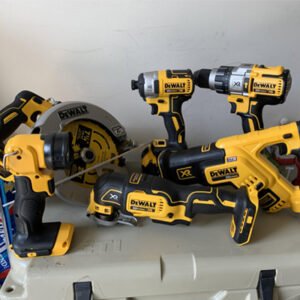
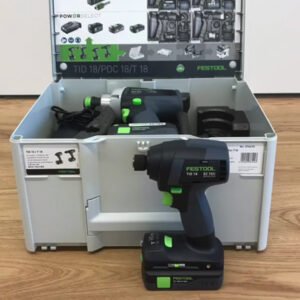
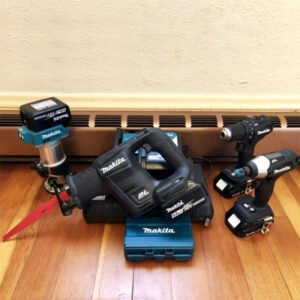
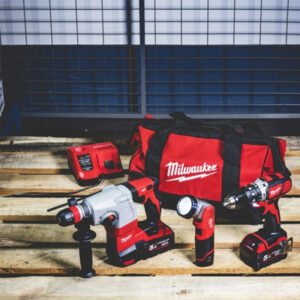
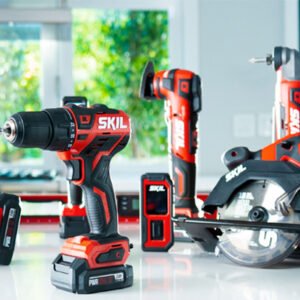


Choosing one of the best power tool combo kits in Canada can be more complicated than comparing the number of tools included in the box. A larger kit is not automatically better. The right combination depends on the type of work you expect to do, the battery platform you want to commit to, the performance of each tool, and the accessories included with the package.
For Canadian buyers, the decision also involves practical considerations such as battery availability, charger compatibility, voltage, cold-weather storage, warranty terms, replacement batteries, and the availability of compatible tools within the same platform. A well-selected kit can become the foundation of an entire cordless workshop, while a poorly matched kit may leave you paying extra for tools you rarely use.
This 2026 buying guide explains the specifications and selection criteria that matter when comparing power tool combo kits in Canada. Brands commonly encountered in this category include DeWalt, Milwaukee, Makita, Bosch, Ryobi, and Metabo HPT. Always confirm the current model specifications, included accessories, retailer terms, and customer feedback before purchasing.
A meaningful comparison should look beyond the number printed on the package. Two six-piece kits can offer very different value because their motors, batteries, chargers, tools, and included accessories may be designed for completely different users.
Power tool combo kits are designed to provide several commonly used tools around a single battery system. This can simplify purchasing and reduce the need to maintain multiple chargers and incompatible batteries.
For a homeowner, a combination of a drill, impact driver, reciprocating saw, circular saw, and light can cover many common maintenance and renovation tasks. A more extensive kit may add an oscillating multi-tool, grinder, or other equipment for users who regularly take on larger projects.
The main advantage is platform compatibility. Once the batteries and charger are established, additional bare tools from the same platform can often be added without purchasing another battery and charger set. This can make the initial kit an important long-term purchasing decision.
One of the most common mistakes when comparing cordless tool kits is focusing entirely on how many tools are included. The battery ecosystem may have a much greater effect on your future costs and convenience.
Before choosing a kit, consider how many compatible tools are available in the same platform. Think about the equipment you may want in the next few years, including sanders, grinders, impact wrenches, lights, inflators, outdoor equipment, rotary hammers, and specialty tools.
A platform with a broad selection can be useful because batteries can potentially serve multiple tools. However, compatibility should always be confirmed by checking the manufacturer's specifications. Batteries from different voltage classes or product generations are not necessarily interchangeable.
DeWalt is widely represented in cordless construction, woodworking, maintenance, and professional tool categories. Its cordless ecosystem includes compact equipment as well as higher-performance tools designed for demanding applications. When considering a DeWalt combo kit, check the exact battery series, included amp-hour capacities, charger type, and whether the tools match your intended workload.
Milwaukee offers cordless tools across professional trades, automotive work, construction, installation, and maintenance. Its M12 and M18 families serve different tool sizes and applications. Buyers should pay particular attention to platform compatibility because an M12 tool and an M18 tool require different battery systems.
Makita has a broad cordless range covering drilling, fastening, cutting, sanding, outdoor equipment, and specialist applications. When comparing a Makita kit, look carefully at the specific battery platform and included battery capacity rather than assuming every cordless Makita product uses the same battery.
Bosch offers cordless and corded equipment for professional trades, woodworking, construction, and general workshop use. A Bosch combo kit can be particularly interesting when the included tools closely match your planned applications. Check the exact product family and battery compatibility before expanding the platform.
Ryobi is known for a broad consumer-oriented cordless ecosystem covering workshop, home improvement, gardening, cleaning, and other applications. For homeowners, the attraction can be the ability to use a common battery platform across many types of equipment. Verify the exact battery family because platform generations are not universally interchangeable.
Metabo HPT provides cordless and corded tools for construction and professional applications. When comparing its kits with competing systems, consider motor performance, battery technology, included tools, and the availability of additional platform-compatible products in Canada.
A drill driver is frequently the foundation of a combo kit. It can be used for drilling holes and driving screws, making it useful for furniture assembly, home maintenance, woodworking, renovation, and construction.
Look at the chuck size, clutch settings, speed ranges, maximum torque information, overall weight, and ergonomics. A two-speed gearbox is useful because slower speeds can provide better control for certain applications while higher speeds can improve drilling efficiency in suitable materials.
Do not judge a drill solely by its advertised torque figure. The tool's gearing, motor design, control system, chuck quality, battery, and application all influence real-world performance.
An impact driver complements a drill driver rather than simply replacing it. Its impact mechanism is designed for driving fasteners and handling applications where additional rotational force can be useful.
When comparing impact drivers, consider torque ratings, speed settings, impact rate, compactness, control modes, bit retention, and lighting. Electronic speed or mode controls can be particularly useful when working with smaller fasteners or delicate materials.
For general home use, an excessively powerful impact driver may not always be the best choice. Controlled power can be more useful than maximum output when working with cabinetry, furniture, trim, or smaller fasteners.
A circular saw adds a major cutting capability to a combo kit. It can be useful for dimensional lumber, sheet materials, framing projects, and general construction tasks.
Compare blade diameter, maximum cutting depth at common bevel angles, bevel range, arbor configuration, shoe construction, guard movement, and visibility of the cutting line. The included blade also matters because the number and geometry of teeth influence the type of cut it is designed to produce.
For cordless models, battery capacity and motor efficiency can influence how many cuts can be completed between charges. Users working with thicker material should pay particular attention to the manufacturer's cutting specifications.
A reciprocating saw can make a combo kit substantially more versatile. It is commonly used for demolition, cutting wood, removing old materials, trimming branches with suitable blades, and cutting certain metal components with the correct blade.
Look for variable-speed control, stroke length, strokes per minute, tool-free blade changes, shoe adjustment, vibration management, and overall balance. A compact reciprocating saw may be easier to control in restricted spaces, while a larger model may be better suited to demanding cutting applications.
An oscillating multi-tool can perform tasks that are difficult to accomplish cleanly with larger cutting equipment. Depending on the accessory, it can cut, scrape, sand, grout, or perform detail work.
When comparing models, check oscillation angle, oscillation speed, accessory attachment system, variable-speed control, vibration, and accessory compatibility. The quality and availability of replacement blades and sanding accessories can have a major effect on the tool's usefulness.
An angle grinder can expand a combo kit into metalworking, surface preparation, cutting, grinding, and masonry-related applications when paired with appropriate accessories and used according to manufacturer instructions.
Compare disc size, motor output, speed, spindle configuration, guard adjustment, switch design, overload protection, and ergonomics. Safety features deserve particular attention because grinders operate at high rotational speeds and require appropriate protective equipment and operating practices.
A cordless work light may seem less important than a saw or drill, but it can be useful when working in garages, basements, utility spaces, unfinished rooms, or areas without convenient lighting.
Check brightness, beam pattern, runtime, positioning options, mounting features, and compatibility with the kit's battery platform. A light that uses the same battery system can be convenient when you already own compatible batteries.
Battery capacity is commonly expressed in amp-hours, or Ah. In general terms, a higher Ah rating represents greater stored capacity within a compatible battery family. However, it does not mean that a high-Ah battery automatically makes every tool more powerful.
Higher-capacity batteries can add weight and physical size. For compact drills and overhead tasks, a smaller battery may improve balance and reduce fatigue. For high-demand saws and grinders, additional capacity can be more valuable.
Some newer battery systems use advanced cell configurations and electronic management to deliver higher performance. Always compare the manufacturer's specifications for the exact battery rather than assuming that Ah alone describes the complete performance profile.
Brushless motors have become common in higher-end cordless tools. Compared with traditional brushed designs, brushless systems can offer electronic motor control and may provide advantages in efficiency, runtime, heat management, and maintenance requirements depending on the tool.
That does not mean every brushless tool is automatically the best purchase. Compare the complete tool, battery system, ergonomics, controls, performance specifications, and price rather than using motor type as the only deciding factor.
Cordless tools are available across several voltage classes. A compact system can be convenient for light-duty work, while larger systems are generally designed to support tools requiring greater power and capacity.
Do not compare nominal voltage numbers without considering the complete platform. Manufacturers may use different naming conventions, battery configurations, and performance technologies. The practical question is whether the specific tool can handle your intended applications.
Homeowners usually benefit from versatility, manageable weight, reasonable battery capacity, and a wide selection of future tools. A basic kit should ideally include equipment that solves common maintenance and improvement tasks rather than specialized tools that may spend most of their time unused.
DIY renovators often need a broader combination of tools than occasional homeowners. Renovation projects may involve drilling, fastening, cutting, sanding, demolition, trim work, and material preparation.
A kit containing a drill driver, impact driver, circular saw, reciprocating saw, and oscillating multi-tool can cover a wide range of tasks. However, the ideal combination depends on the specific renovation. Flooring work, cabinetry, framing, drywall, electrical installation, and exterior projects each place different demands on tools.
Professional users should evaluate tools according to workload rather than initial purchase price alone. Runtime, ergonomics, durability, control, charging speed, battery availability, and platform depth can influence productivity over many projects.
Professionals should also consider whether the same platform provides specialty tools required by their trade. A contractor who eventually needs an impact wrench, rotary hammer, grinder, vacuum, light, and outdoor equipment may benefit from a platform that supports those categories.
There is no universal ideal number. A smaller kit can provide better value when every included tool is useful. A larger kit can be attractive when it adds equipment you would otherwise purchase separately.
Before choosing a ten-piece kit over a five-piece kit, identify the actual contents. Batteries and accessories may be included in the stated piece count. In some packages, a charger or bag may count toward the total number of components.
Make a simple list of the tools you genuinely need. If a larger package adds several tools that you rarely expect to use, the additional pieces may not represent meaningful value.
Piece count can be misleading. Always identify exactly what each numbered component represents.
A kit with several tools but only one small battery can be inconvenient for larger projects. Check both the number and capacity of included batteries.
Your first cordless kit can determine which battery ecosystem you use for years. Research the tools you may need later before committing.
Maximum torque or speed does not automatically make a tool better for every task. Control, balance, compactness, and appropriate power can be more important for many applications.
Heavy tools can become tiring during repetitive work or overhead applications. Compare tool weight with and without the battery where the manufacturer provides both figures.
A saw without suitable blades or an impact driver without the required bits may not be immediately useful. Check what accessories are included and what you will need to purchase separately.
Canadian weather makes battery care especially important. Lithium-ion batteries should be stored and operated according to the manufacturer's temperature and charging guidance. Extremely cold conditions can affect battery performance and charging behavior.
Do not assume that a battery showing reduced runtime in cold weather is defective. Temperature can influence available performance. Follow the manufacturer's instructions for bringing batteries to an appropriate temperature before charging or using them.
Long-term storage should also follow the manufacturer's recommendations. Avoid leaving batteries exposed to extreme heat, moisture, or freezing conditions for extended periods.
The charger included with a combo kit can become increasingly important as your collection grows. If you regularly operate several tools, having multiple compatible batteries and an efficient charging setup can reduce interruptions.
Compare standard and rapid charging options where applicable. Faster charging is not automatically better for every situation, so consider heat management, battery specifications, charging recommendations, and the way you normally use your tools.
Cordless tools provide mobility and eliminate the need to work near a power outlet. They are particularly convenient for outdoor projects, construction sites, remote areas, and quick household tasks.
Corded tools can still make sense for applications involving long continuous operation. They do not depend on battery capacity and can be practical in workshops where reliable mains power is readily available.
For many users, the strongest setup is not exclusively cordless or corded. A combination of both can provide mobility for everyday work while retaining corded equipment for demanding stationary or extended-use applications.
When two kits appear similar, create a direct comparison based on the tools you will actually use. First compare the core tools. Then compare battery quantity and capacity. Next examine motor technology, tool specifications, charger type, accessories, ergonomics, and platform expansion.
Do not let a small difference in the number of accessories determine the purchase if the core tools differ significantly in performance or usefulness.
It is also worth checking individual tool model numbers. A kit may contain a tool that looks almost identical to a standalone model while having different specifications or included features.
Beginners should prioritize simplicity and versatility. A manageable cordless platform with a drill driver, impact driver, circular saw, and suitable batteries can provide a strong starting point for many household and DIY applications.
Choose a platform that has additional tools you can realistically see yourself using. This approach prevents unnecessary spending while leaving room for gradual expansion.
Renovation work often requires more than drilling and fastening. Cutting and demolition tools can become equally important. A renovation-focused kit should therefore be judged by how well its tools work together across multiple stages of a project.
Before buying, identify the materials you expect to cut. Wood, metal, plastic, drywall, masonry, and other materials require different blades, accessories, and tool capabilities.
Construction users should prioritize durability, runtime, ergonomics, and the availability of high-performance tools within the same ecosystem. Repeated daily use places greater demands on batteries, motors, switches, chucks, blades, and tool housings.
For professional construction work, the availability of compatible high-capacity batteries and specialty equipment can be as important as the contents of the initial kit.
Woodworkers may place greater emphasis on control, cutting accuracy, ergonomics, and compatibility with sanding and finishing tools. A circular saw, drill driver, impact driver, sander, and oscillating multi-tool can form a useful combination depending on the type of woodworking involved.
Accessory selection is particularly important. High-quality blades, drill bits, sanding discs, and specialty attachments can affect the final result as much as the base tool.
Automotive users should consider whether the selected platform offers impact wrenches, ratchets, lights, inflators, grinders, and other vehicle-oriented equipment. A standard drill-focused kit may not provide the tools required for frequent automotive maintenance.
If fastening performance is a priority, compare the specifications of compatible impact tools before choosing the battery platform.
Comfort becomes increasingly important when a tool is used for extended periods. Grip shape, trigger placement, balance, vibration, battery position, and overall weight can influence fatigue.
A compact tool may be preferable for overhead work or confined spaces. A heavier tool can sometimes provide greater capacity, but the extra weight may become a disadvantage during repetitive tasks.
Brushless combo kits are often positioned toward users who want improved efficiency and higher-performance cordless equipment. They can be particularly attractive for frequent DIY work and professional use.
However, compare the actual tool specifications rather than paying solely for the brushless label. A less expensive tool that perfectly matches your workload may offer better practical value than a more powerful model that is rarely used at its limits.
Customer reviews can provide useful information about everyday ownership, but they should be interpreted carefully. Look for patterns across multiple reviews instead of relying on a single positive or negative comment.
A low headline price does not necessarily represent the best value. Compare the complete package and determine what you would need to buy separately.
For example, a kit with fewer tools but two useful high-capacity batteries may be more valuable to a frequent user than a larger kit containing several low-priority tools and limited battery capacity.
Also compare the current price of individual bare tools within the same platform. This can help you understand whether the combo package gives you useful savings or simply bundles equipment you do not need.
Warranty terms can vary by manufacturer, product family, retailer, and purchase circumstances. Always read the current Canadian warranty documentation for the exact model before buying.
Keep purchase documentation where required and confirm whether registration is necessary for any particular warranty benefit. Do not assume that the warranty conditions for one tool or brand automatically apply to another.
Power tools should be used according to the manufacturer's instructions and with appropriate protective equipment for the application. The correct safety equipment depends on the task and material.
Regular maintenance can help keep power tools operating reliably. Keep ventilation openings clear, remove dust and debris after use, and inspect moving components and accessories regularly.
Drill chucks should be kept clean and checked for proper operation. Saw blades should be replaced or sharpened as appropriate. Grinder discs and other consumable accessories should be inspected before use.
Store tools in a dry environment and protect them from unnecessary moisture, extreme temperatures, and impact. Batteries should be maintained according to the manufacturer's storage recommendations.
There is no single best kit for every Canadian buyer. The right choice depends on your work, budget, preferred battery platform, required tools, and expected frequency of use. Compare the complete specifications and included components rather than choosing based solely on brand or piece count.
They can be worthwhile when the included tools match your needs and share a useful battery platform. They are less attractive when a large portion of the kit contains tools you are unlikely to use.
Brushless tools can offer advantages in efficiency, performance, and motor control, depending on the design. However, the best purchase should be based on the complete specification and your intended workload.
There is no universal number. Two batteries can be convenient because one can be used while another charges, but the ideal setup depends on tool demand, battery capacity, charger speed, and project duration.
A smaller battery can reduce weight and improve handling, while a higher-capacity battery can provide greater runtime and may suit demanding tools better. Choose according to the application rather than selecting the highest Ah rating automatically.
Generally, cordless battery platforms are manufacturer-specific. Do not assume batteries are interchangeable between brands or between different voltage families. Always confirm compatibility using the manufacturer's specifications.
Professional-grade equipment can be worthwhile for homeowners who perform frequent renovation, woodworking, construction, or maintenance work. For occasional tasks, a simpler platform may provide sufficient capability without unnecessary cost or weight.
Many modern cordless systems are designed for demanding construction applications. Suitability depends on the specific tool, battery, material, workload, and manufacturer's specifications.
A combo kit is often useful when several included tools are needed at the same time. Buying individual tools can make more sense when you only need one or two specialized products or already own a compatible battery platform.
Focus on a versatile battery platform, useful core tools, adequate batteries, comfortable ergonomics, reliable accessories, and a good selection of compatible future tools.
No. The usefulness of each tool matters more than the total number of components. A smaller kit containing the tools you actually need can provide better practical value.
Follow the manufacturer's storage and temperature recommendations. Avoid extreme temperatures, moisture, physical damage, and improper charging practices. Cold conditions can affect battery performance, so use the battery according to the manufacturer's guidance.
The best power tool combo kit is the one that fits your actual workload rather than the one with the most impressive specification sheet. Start by identifying the tools you need today, then consider the equipment you may add later. From there, compare battery platforms, motor technology, tool performance, battery capacity, ergonomics, accessories, and current Canadian availability.
For occasional home projects, prioritize versatility and ease of use. For serious DIY renovation, choose a broader platform with tools that cover drilling, fastening, cutting, and demolition. For professional work, place greater emphasis on durability, runtime, charging efficiency, ergonomics, and platform depth.
Before making a purchase, verify the exact model numbers and package contents. Compare current specifications, read verified customer feedback for the specific kit, review Canadian warranty information, and check today's pricing from trusted retailers. A careful comparison can help you choose a power tool ecosystem that remains useful well beyond the first project.