

♥ Wishlist


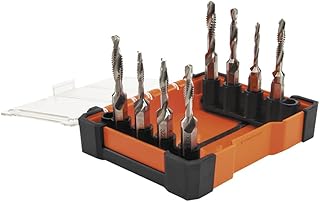
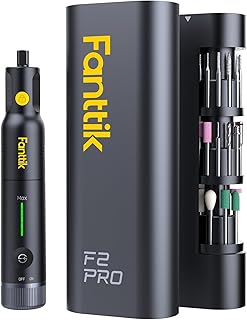


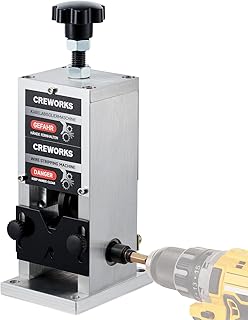


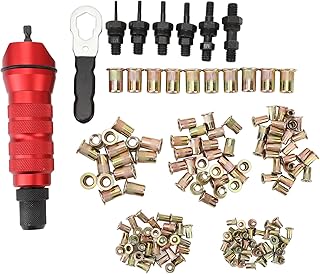

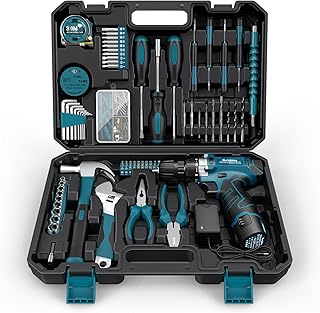


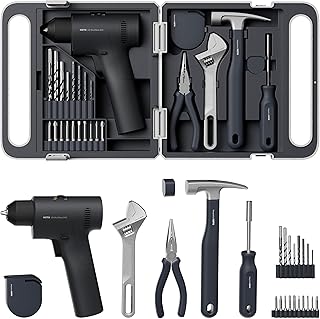

A dependable hand drill can be a useful addition to a Canadian home workshop, tool box or DIY setup. Unlike larger powered equipment, a traditional manual hand drill gives you direct control over drilling speed and pressure. That makes it particularly useful for smaller projects where accuracy, low noise and careful material handling matter more than maximum drilling speed.
The term hand drill can describe more than one type of handheld drilling tool. Some products are traditional manually operated drills, while others are compact cordless or powered drilling tools. When comparing products, always check how the specific tool operates, what type of chuck it uses and which drill bits or accessories are compatible.
Traditional manual hand drills work without batteries or an electrical outlet. The user turns a handle or crank to rotate the chuck and drill bit. This straightforward design can be especially useful for light-duty woodworking, furniture repairs, model making, crafts and other applications where a slower, more controlled drilling action is beneficial.
Manual operation also makes these tools convenient when you want to avoid the noise, weight or setup associated with a powered drill. They can be practical for occasional jobs and for situations where electrical power is unavailable. The trade-off is that manual drilling requires more physical effort and is generally slower than using a cordless or corded drill.
The chuck is one of the most important parts of a hand drill because it holds the drill bit. A secure, well-aligned chuck helps reduce unwanted movement and supports more accurate drilling. Before buying, check the chuck capacity and make sure it accepts the sizes and shank types of bits you plan to use.
Traditional hand drills rely on gears to convert handle movement into rotation at the chuck. Smooth, well-made gearing can make the tool easier to operate and help maintain consistent rotation. When comparing options, look for a mechanism that operates smoothly without excessive play, grinding or resistance.
Comfort matters when drilling manually because your hand supplies the operating force. Consider the handle shape, grip surface, overall balance and weight distribution. A comfortable design can make it easier to maintain alignment and steady pressure during longer tasks.
Look at the complete tool rather than focusing on a single material specification. The chuck, gears, frame, handle and moving components all contribute to durability and performance. A robust metal construction may be preferable for frequent workshop use, while a simpler design can be sufficient for occasional household projects.
Hand drills can be particularly useful for woodworking projects that benefit from controlled drilling. They can work well for small holes, furniture repairs, thin timber, craft projects and precision work where excessive power could damage the material.
Use a sharp bit designed for wood and maintain steady alignment. Hardwood can require more effort than softwood, so avoid forcing the tool. Let the cutting edge do the work while applying controlled pressure. Supporting the workpiece properly can also improve accuracy and reduce movement.
A suitable manual hand drill can handle some light metal-drilling applications when paired with an appropriate bit. Metal generally requires more careful bit selection, alignment and pressure control than many woodworking tasks. For thicker or harder metals, a powered drill with suitable speed control may be a more practical choice.
Always select a bit intended for the material and follow the bit manufacturer's recommendations regarding speed, lubrication and safe use.
The drill is only one part of a complete drilling setup. Choosing the right bit has a major effect on hole quality, drilling effort and the condition of the workpiece. Wood bits, metal bits, masonry bits and multipurpose bits are designed for different applications.
Some hand-drill-related products also include drill guides, bit sets, extractors, adapters and other accessories. These can expand the usefulness of a drilling setup, but compatibility should always be checked before purchasing. The accessory needs to match both the drill and the intended application.
A manual hand drill is usually best when precision, simplicity and quiet operation are priorities. A cordless drill is generally a better choice for repetitive drilling, renovation, installation and jobs where speed is important. Cordless models also provide additional versatility for screwdriving and other tasks, depending on the model.
For Canadian shoppers who already own a cordless tool battery platform, battery compatibility can be an important consideration. Staying within the same system may allow existing batteries and chargers to be shared between compatible tools.
Canadian shoppers should compare the actual specifications of each product instead of relying only on product photographs or ratings. Consider the intended application, chuck capacity, bit compatibility, construction, handle comfort, dimensions, weight and included accessories.
For online purchases, check the current product configuration, availability, shipping conditions and return policy before ordering. Prices and stock can change, so confirm the details shown by the retailer at the time of purchase.
Regular maintenance can help preserve smooth operation. Remove dust, wood particles and other debris after use, and periodically inspect the chuck for looseness or excessive wobble. Check moving components for unusual grinding, binding or play.
Store the tool in a dry location, particularly during periods of cold or damp weather. Keeping drill bits clean and dry can also help reduce corrosion and maintain cutting performance.
Although manual drilling is relatively simple, the rotating bit can still cause injury. Secure the workpiece before drilling, use the correct bit, keep hands away from the rotating components and avoid damaged or excessively worn bits. Eye protection is recommended when drilling may produce chips or debris.
Always follow the manufacturer's safety instructions and use the tool only for applications it is designed to handle.
The best hand drill is the one that matches your project, materials and preferred working method. A traditional manual drill can be an excellent option for controlled, light-duty drilling and precision work, while a cordless or corded drill may be more suitable when speed and repeated drilling are priorities.
Compare the available options carefully, pay attention to chuck quality and bit compatibility, and consider the complete cost of the drilling setup rather than the tool alone. With the right combination of drill, bits and accessories, you can build a practical setup for woodworking, household repairs, workshop tasks and DIY projects across Canada.
Find hand drills and related hand tools for woodworking, repairs, maintenance, crafts and everyday DIY projects. Compare manual hand drills, drill accessories, bit options and compact drilling solutions while considering chuck design, comfort, construction, compatibility and the type of work you need to complete.