

♥ Wishlist


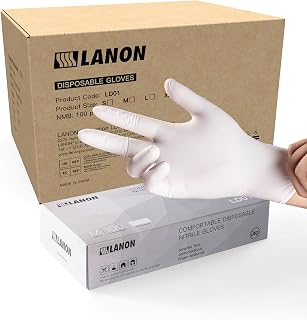


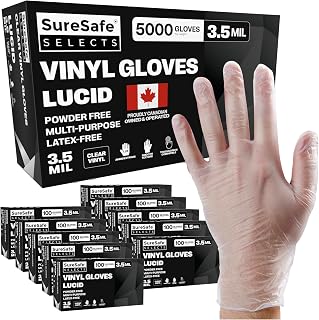


Choosing the right gloves can make a noticeable difference when you are working with tools, handling materials, completing maintenance jobs or tackling projects around the home. Gloves can help protect your hands from common workplace and task-related hazards while also improving grip, comfort and control. For Canadian shoppers, the best choice depends on where and how the gloves will be used, the level of protection required and the conditions in which you expect to wear them.
The gloves category covers a wide range of options designed for different applications. General-purpose work gloves can be useful for routine handling, workshop projects, construction tasks and property maintenance. Protective gloves may be designed around particular hazards, while specialised options can offer features suited to wet conditions, cold weather, abrasion, impact or repetitive handling. Because no single glove is ideal for every job, comparing construction, materials, fit and intended use is an important part of buying the right pair.
Start by considering the task rather than choosing gloves based only on appearance or price. If you need gloves for handling tools or materials, grip and dexterity may be priorities. For outdoor work, weather resistance and warmth can become more important, particularly during Canada's colder seasons. If the work involves rough surfaces or repeated handling, look for construction and materials designed to provide appropriate durability.
It is also worth considering how much hand movement the job requires. A glove that provides substantial protection but restricts dexterity may not be practical for detailed work. Conversely, a lightweight glove may be comfortable and flexible but unsuitable for tasks that demand a higher level of protection. Matching the glove to the specific application helps balance protection, performance and comfort.
Glove materials influence how a pair feels and performs. Synthetic materials may offer flexibility, durability or easy care, while leather options are often chosen for demanding handling and general durability. Coated palms and fingers can provide additional grip, making them useful when handling tools or objects where secure control matters. Other designs may incorporate reinforced areas or protective features for particular working environments.
Protection should always be considered in relation to the actual hazards involved. If a task presents risks from cuts, impacts, chemicals, heat or other hazards, select gloves specifically rated or designed for that application and follow the manufacturer's instructions. General-purpose gloves should not automatically be treated as protection against specialised hazards. Checking product specifications and applicable safety information is essential when protection is a key requirement.
Fit affects both comfort and performance. Gloves that are too loose can interfere with handling and may make precise tasks more difficult. Gloves that are too tight can become uncomfortable during extended use and may limit natural hand movement. Use the manufacturer's sizing guidance where available and consider whether you will be wearing the gloves for short tasks or throughout a working day.
For jobs requiring frequent tool use or detailed movements, prioritise a secure fit and good finger mobility. For heavier handling, durability and protection may take precedence. Features such as adjustable cuffs can also help provide a more secure fit and reduce unwanted movement while working.
Canadian working conditions can vary considerably between seasons and regions. Lightweight, breathable gloves may be suitable for warmer indoor or outdoor work, while insulated designs can be more appropriate for colder conditions. For wet environments, consider materials and construction intended for moisture exposure. If you regularly work outdoors, think about how temperature, precipitation and the duration of use will affect comfort and performance.
For winter tasks, remember that warmth and dexterity can involve a trade-off. Thicker insulation may provide greater warmth but can make detailed handling more difficult. Select the level of insulation according to the conditions and the amount of manual precision required.
When comparing options, consider the intended application, material, protection features, grip, flexibility, durability, sizing and care requirements. Think about whether you need a reusable pair for regular work or a design intended for a particular task. Reviewing these characteristics together makes it easier to narrow down choices and avoid selecting gloves that are unsuitable for the job.
Canadian shoppers should also consider how often the gloves will be used and the conditions they will encounter. A durable pair may be worthwhile for frequent work, while a lighter option may make more sense for occasional household tasks. If you work across several environments, having different gloves for different applications can provide a better combination of protection and comfort than relying on one general-purpose pair.
Whether you are preparing for a workshop project, handling materials, maintaining property or looking for everyday hand protection, choosing gloves according to the task is the best starting point. Focus on the hazards involved, required dexterity, environmental conditions and expected frequency of use. By comparing these factors before purchasing, you can find gloves that provide a practical balance of protection, grip, comfort and durability for your needs in Canada.
Find gloves suited to demanding work, practical projects and everyday tasks in Canada. The right pair can improve grip, comfort and hand protection while helping you work more confidently in changing conditions.