

♥ Wishlist










Champion generators are designed for people who need dependable portable electricity for home emergencies, recreational use, outdoor work and other situations where access to utility power may be limited. For Canadian shoppers, the right generator depends on more than the advertised wattage. Fuel type, running and starting power, portability, outlet configuration, noise, operating conditions and intended use all deserve attention before you choose a model.
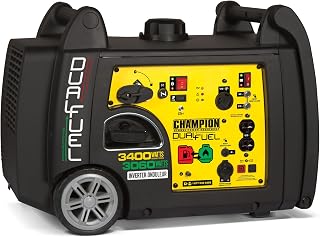
The Champion generator range includes different configurations for different applications. Portable generators can provide practical backup power during an outage, while inverter generators may be appealing for camping, RV use and equipment that benefits from controlled electrical output. Dual-fuel and other multi-fuel configurations can provide additional flexibility when more than one approved fuel option is important.
A portable Champion generator can be useful when you want to keep selected household equipment operating during a power outage. Before buying, make a list of the appliances and systems that matter most, such as a refrigerator, freezer, lighting, internet equipment, furnace controls, sump pump or other essential devices. Compare both their normal running requirements and any starting demand from motors or compressors.
It is important not to select a generator based solely on its peak wattage. Rated or running watts indicate the power the unit is designed to provide continuously, while starting or surge watts provide additional short-term capacity for equipment that needs extra power when starting. Choosing a model with sensible headroom can help avoid overloads and starting problems.
Portable generators are a versatile choice for Canadian homeowners, contractors and recreational users who need electricity away from a permanent power source. Features such as wheels, handles, electric start, available receptacles and overall dimensions can make a major difference in everyday usability.
Inverter generators can be particularly attractive for camping and RV applications where portability, operating noise and electrical performance are important. However, specifications vary between models, so check the exact generator's rated output, runtime, noise information, outlets and compatibility with your equipment rather than assuming every inverter model offers the same performance.
Dual-fuel generators can be useful for Canadian buyers who want more than one approved fuel option. Fuel flexibility may be valuable during extended outages or in locations where the availability of a particular fuel can change. When comparing models, consider fuel availability, storage requirements, operating instructions and performance on each supported fuel.
A multi-fuel generator is not automatically the best choice for every shopper. If your requirements are straightforward and one fuel type is readily available, a simpler configuration may be more practical. Always follow the manufacturer's requirements for approved fuels, storage and operation.
RV and camping users often prioritise different features than homeowners preparing for an emergency. Portability, noise characteristics, fuel efficiency, available outlets and compatibility with recreational equipment can be more important than maximum output. If an RV air conditioner, microwave, battery charger or other high-demand appliance will be used, account for both running and starting requirements.
For workshops and construction applications, consider the starting demands of power tools, compressors, pumps and other motor-driven equipment. A generator should provide enough capacity for the tools you realistically expect to operate while remaining practical to transport and store.
When comparing Champion generators in Canada, check the exact model number and current specifications rather than relying only on product titles. Look at rated watts, starting watts, fuel type, runtime, generator design, receptacles, voltage, starting method, dimensions, operating weight and available protection features.
Portability also involves more than the listed weight. Wheels, handles, balance and the terrain where the generator will be moved can affect how practical a unit is. Measure your storage area and vehicle space before purchasing a larger model.
Canadian winters make cold-weather preparation especially important. Low temperatures can affect engine starting, battery performance and fuel behaviour. If a generator is intended for winter emergency use, review the specific model's operating, storage and battery-maintenance instructions. Periodic inspection and testing can help identify problems before a real outage occurs.
Portable combustion generators must be operated outdoors and never inside a home, garage or other enclosed space because engine exhaust can contain carbon monoxide. Keep the operating area appropriately separated from doors, windows and other openings, and follow the manufacturer's safety instructions.
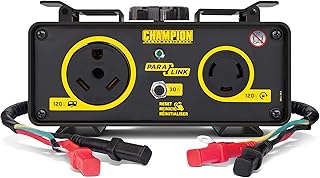
For home backup, pay close attention to the generator's receptacles and intended connection method. Never use an improvised connection to energise household wiring. A properly installed transfer switch or another code-compliant solution may be required. Fixed electrical work should be completed by a qualified professional in accordance with applicable Canadian requirements.
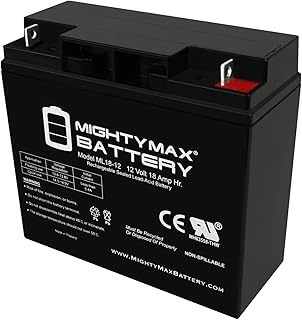
A generator is most useful when it starts and operates when you need it. Follow the maintenance schedule for the exact model, including recommended oil, air-filter, spark-related, battery and fuel-system care where applicable. Inspect the unit for leaks, damaged wiring, loose components and other visible issues, and periodically test it according to the manufacturer's instructions.
Proper storage is equally important. Fuel, batteries and other components may require specific preparation when a generator will remain unused for an extended period. Keep the generator protected from unsuitable environmental conditions while following the manufacturer's storage recommendations.
Whether you are preparing for a Canadian winter outage, planning an RV trip or looking for portable electricity for a workshop, compare generators according to your actual power requirements. Focus on rated output, starting capacity, fuel flexibility, portability, outlet configuration, noise, maintenance and the conditions in which the generator will operate.
Explore the available Champion generators and related equipment on this category page, then check the exact product specifications and current Canadian availability before making your purchase. Matching the generator to your real-world load profile is the best way to choose a practical solution without paying for capacity you do not need.
Find Champion generators and compatible generator equipment for Canadian power needs. Compare portable, inverter, dual-fuel and high-output options for home emergencies, RV trips, camping, workshops and outdoor jobs.