

♥ Wishlist


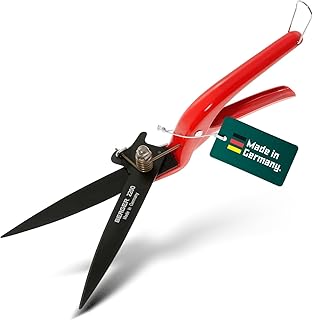


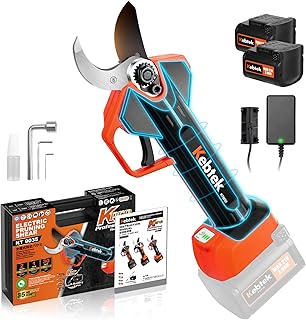
Grass shears are compact garden tools designed for detailed trimming where larger lawn equipment can be difficult to control. They are especially useful for tidying grass around flower beds, paving stones, fences, trees, walls, garden borders and other obstacles. For Canadian homeowners, the right grass shear can make finishing work faster while helping maintain a neat, carefully defined lawn.
A grass shear is best viewed as a finishing and precision tool rather than a replacement for a lawn mower. After mowing, small areas of grass may remain around landscaping features or along narrow borders. Grass shears can reach these spaces with greater control than larger cutting equipment. They are also useful for small gardens where a full-size trimmer may be unnecessary.
Manual grass shears provide a straightforward option for occasional trimming. They do not require batteries, charging or fuel and can offer excellent control for small jobs. Cordless grass shears use a powered cutting mechanism and can reduce repetitive hand movement, making them appealing for frequent edging and larger amounts of finishing work.
Manual shears remain popular because they are simple, quiet and easy to store. They can be particularly suitable for gardeners maintaining small patches or performing occasional touch-ups. When choosing a manual model, consider blade sharpness, handle comfort, corrosion resistance and the amount of force required to operate the cutting mechanism.
Cordless grass shears provide freedom of movement without a trailing power cable. Battery-powered models can be convenient around trees, garden beds and other obstacles. Some designs also use interchangeable blades, allowing one tool to perform grass trimming and light shrub work. When comparing cordless options, check battery voltage, battery capacity, estimated runtime, charging requirements and whether a battery and charger are included.
Long-handled grass shears can be useful for gardeners who want to reduce bending or kneeling. Their extended shafts allow certain edging tasks to be completed while standing. However, additional length can affect balance and precision, so consider overall weight, grip position, head adjustment and your preferred working posture.
Blade geometry has a direct effect on how easily a shear handles grass. Narrower cutting heads can provide greater control around plants and tight corners, while wider blades may cover more grass with each pass. Look for blades suited to the type of trimming you expect to perform and check whether replacement blades or cutting heads are available.
If you prefer a cordless grass shear, battery compatibility can be an important consideration. Some garden-tool manufacturers use shared battery platforms across multiple products. If you already own compatible cordless equipment, choosing a shear from the same platform may reduce the need for additional batteries and chargers. Do not assume that batteries are interchangeable simply because two tools have similar voltage ratings; always confirm the manufacturer's stated compatibility.
Runtime depends on factors such as grass density, cutting technique, blade condition, temperature and battery capacity. For larger gardens or frequent edging, consider whether an additional compatible battery is available. Also check whether the model is sold as a tool-only configuration or as a complete kit with battery and charger.
Comfort matters when trimming takes more than a few minutes. A secure grip, sensible trigger placement, balanced construction and manageable weight can make repeated cutting easier. When comparing cordless models, consider the tool's weight with the battery installed rather than relying only on the advertised tool-only weight.
Adjustable or rotating cutting heads can also improve versatility. A changeable head position may make it easier to switch between horizontal grass trimming and vertical edging. Look for adjustment mechanisms that lock securely and are simple to operate.
Lawn edging is one of the most common applications for grass shears. They can tidy leftover growth beside paving, walls, fences and garden beds after mowing. Blade visibility and orientation are particularly important for this type of work because they help you make controlled cuts close to boundaries without unnecessarily disturbing surrounding plants.
For small gardens, a compact manual or cordless shear can provide enough capability without the bulk of larger garden equipment. If you frequently maintain decorative borders or confined areas, prioritise control, comfort and convenient storage over maximum cutting power.
Canadian gardens can experience significant seasonal variation, so the right tool depends on local growing conditions and your maintenance routine. Wet or dense grass can be more difficult to cut cleanly, while debris around lawn edges can place additional demands on cutting equipment. Always use powered equipment according to the manufacturer's instructions and avoid conditions that the manufacturer prohibits.
Storage is also important. Remove grass residue after use, keep cutting components clean and dry, and store the tool in accordance with the manufacturer's recommendations. For cordless models, follow the battery manufacturer's guidance for storage and temperature conditions.
Grass shears have sharp cutting components, and powered models can move blades quickly. Keep hands away from moving parts and follow the manufacturer's operating instructions. A suitable safety switch or activation mechanism can help reduce unintended operation. Protective eyewear may be useful when trimming near hard surfaces where small debris could be displaced.
Regular cleaning can help maintain cutting performance. Remove grass clippings and moisture after use, inspect blades for dullness, damage or corrosion, and follow any specified lubrication procedures. If a cutting edge becomes damaged, replace or service it according to the manufacturer's instructions rather than continuing to use compromised equipment.
When comparing grass shears, look beyond price or motor power alone. Consider blade type, cutting width, operating method, weight, balance, handle design, head adjustment, battery platform, included accessories, replacement-part availability and intended application. Customer reviews can provide useful insight into recurring experiences with battery life, comfort, durability and ease of use, but specifications should remain an important part of the decision.
Whether you need a simple manual shear for occasional touch-ups or a cordless model for frequent lawn edging, choosing a tool that matches your garden and working style can make routine maintenance more convenient. Compare the available options and select the grass shear that provides the right balance of precision, comfort, portability and long-term practicality for your Canadian garden.
Find the right grass shear for precise lawn edging, garden borders and finishing work around areas a mower or string trimmer cannot easily reach. This category brings together manual, cordless and versatile grass shears for Canadian gardeners who want cleaner edges, controlled cutting and convenient garden maintenance. Compare blade designs, cutting widths, ergonomics, battery options and other practical features before choosing a model for your yard.