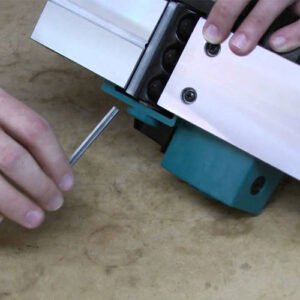


Explore cordless power tools, kits, batteries, chargers, accessories and related equipment available to Canadian shoppers. Compare product options and follow useful buying guides before you buy.


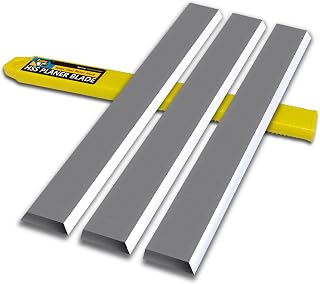


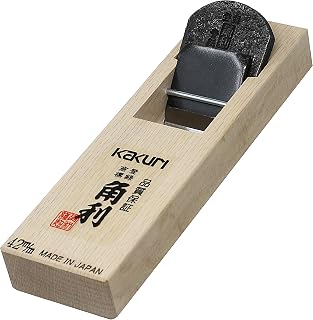


Choosing the best hand planer blade is not simply a matter of selecting the sharpest blade available. The right replacement blade needs to match the hand planer, cutting width, blade thickness, mounting system, material and type of woodworking you plan to do. A blade that performs well in one plane may be unsuitable for another, even when the dimensions appear similar.
For Canadian woodworkers, the buying decision can also involve practical considerations such as metric and imperial measurements, replacement availability, shipping considerations, wood species commonly used for projects, and whether a blade is intended for occasional DIY work or regular workshop use. Before comparing individual products, it is worth understanding the specifications that actually affect cutting performance.
A good hand planer blade should provide a clean cutting edge, hold its sharpness for a reasonable period, fit the intended plane securely and allow accurate adjustment. The best choice depends on the tool and the job rather than on a single universal specification.
Compatibility should be your first consideration. Hand planes use different blade dimensions, mounting arrangements and adjustment systems. Some replacement blades are designed for specific plane models, while others are manufactured as general-purpose replacements.
Check the original blade before ordering. Measure its length, width and thickness where appropriate, and compare the mounting arrangement with the replacement manufacturer's specifications. Also confirm whether the blade is intended for a standard bench plane, block plane, low-angle plane or another specific hand-plane design.
Do not assume that a blade will fit simply because the product description uses a similar plane size. Even small differences in thickness, mounting holes or seating geometry can affect installation and adjustment.
Blade width determines how much material the plane can remove across each pass. Wider blades can cover more of a surface, while narrower blades are often associated with smaller planes and more compact work.
Always match the replacement blade to the plane rather than choosing width solely according to the size of the woodworking project. A replacement cutter that is wider than the original may not seat correctly or may interfere with the plane's mouth and adjustment mechanism.
Thickness can influence rigidity, durability and compatibility. A thicker blade may resist flexing during demanding cuts, but it must still fit the plane's blade bed and adjustment system.
This is particularly important when replacing a blade in an older hand plane. Manufacturing standards and replacement dimensions can vary, so compare the manufacturer's stated dimensions with the original cutter before purchasing.
Hand planer blades are commonly made from different grades of tool steel. The material affects edge retention, sharpening characteristics, durability and suitability for different types of wood.
Carbon steel is widely associated with traditional woodworking blades. It can provide an excellent edge and is often appreciated by woodworkers who sharpen their tools regularly.
One consideration is corrosion. Carbon steel can develop surface rust when exposed to moisture or stored in unsuitable conditions. In a Canadian workshop, seasonal humidity and temperature changes make proper storage especially important.
High-speed steel, commonly abbreviated as HSS, is valued for its hardness and resistance to losing its cutting edge under demanding conditions. It can be a useful choice when a planer blade needs to maintain performance through repeated cutting.
HSS blades can also be more demanding to sharpen than softer traditional steels, depending on the exact alloy and sharpening equipment being used.
Tool steel is a broad category rather than one single material specification. Different grades can offer different balances of hardness, toughness and wear resistance. When comparing blades, look beyond the phrase “tool steel” and check whether the manufacturer provides a specific material designation.
Carbide cutting edges can offer excellent wear resistance. They are particularly useful in applications involving abrasive materials or repeated cutting where edge longevity is important.
However, carbide does not automatically mean a blade is better for every hand-plane application. Compatibility, cutting geometry and sharpening requirements remain important.
The geometry of a blade determines how it interacts with wood. Bevel angle, edge angle and blade presentation can influence the cut, surface quality and amount of force required.
One of the most important distinctions is whether the blade is installed bevel-up or bevel-down. These designs use the blade geometry differently, so the intended replacement cutter must correspond with the plane.
A blade designed around one configuration should not be treated as a universal replacement for the other. Always follow the plane manufacturer's specifications.
The effective cutting angle influences how aggressively a blade meets the wood fibers. Lower effective angles are commonly associated with easier cutting in some applications, while higher angles can be useful when working with difficult grain.
For demanding figured or interlocked wood, the plane itself, blade setup and sharpening condition may matter as much as the blade material. A premium blade cannot compensate for an incorrectly adjusted plane.
A sharp blade is essential for clean hand-planing. A dull edge can increase resistance, encourage tear-out and make it harder to maintain a consistent cut.
When comparing replacement blades, consider both initial sharpness and the ability to maintain the edge through sharpening. A blade that is easy to hone can be more practical for a woodworker who regularly maintains hand tools.
Edge retention also depends on the material being cut. Clean, straight-grained softwood can place different demands on an edge than dense hardwood, figured timber, reclaimed wood or material containing contaminants.
For furniture work, prioritize a blade that can produce a controlled, clean surface and can be sharpened consistently. Compatibility and edge geometry are particularly important because furniture components often require predictable thickness and smooth surfaces.
Hardwoods can require more from a cutting edge. Look for a blade material and geometry appropriate for the intended plane and wood species. Frequent sharpening should be considered part of the workflow rather than a sign that the blade is necessarily poor.
Softwood can be easier to cut but may still produce tear-out when grain direction changes. A properly sharpened blade and carefully adjusted mouth can make a significant difference.
End grain presents a different cutting challenge because the blade encounters exposed wood fibers rather than cutting primarily along the grain. A suitable low-angle configuration and very sharp edge can be advantageous, but the correct choice depends on the specific plane.
For final surface preparation, a blade that supports very fine depth adjustments is often more useful than one selected purely for aggressive stock removal. The objective is controlled shaving rather than maximum material removal.
Measurement errors are among the easiest ways to purchase an incompatible replacement. Do not rely only on the advertised plane size. Measure the actual cutter and compare the result with the replacement specification.
Canadian woodworking tools can involve both metric and imperial measurements. This is especially relevant when comparing products manufactured for different markets.
If a specification is provided in one measurement system, avoid relying on an approximate conversion when a close fit is required. Use the manufacturer's stated dimensions and compare them with accurate measurements of your existing blade.
Durability comes from more than material hardness. Heat treatment, manufacturing quality, blade geometry, edge preparation and the way the tool is used all influence service life.
A very hard blade may retain its edge well but can be less forgiving if abused. Conversely, a tougher steel may tolerate impacts better while requiring more frequent sharpening. The best balance depends on your working conditions.
The cheapest replacement is not necessarily the best value. A low purchase price can become less attractive if the blade does not fit correctly, requires excessive adjustment or is difficult to sharpen.
Never assume that similarly named planes use identical cutters. Check exact compatibility before purchasing.
A replacement blade that exceeds the supported thickness can prevent proper installation or adjustment. Always verify dimensions.
Some replacement blades may require final honing or preparation before they deliver the edge you want. Check the manufacturer's description and inspect the edge before beginning precision work.
Even a high-quality steel blade can deteriorate when exposed to moisture. Store replacement blades in a dry environment and protect the cutting edge from accidental contact with other tools.
When comparing several options, create a short list based on practical specifications rather than marketing language. The following criteria provide a useful framework:
When researching replacement hand-plane blades, established woodworking brands can provide a useful starting point because their product ranges often include replacement cutters and accessories for recognized plane systems. Depending on the exact tool, you may encounter brands such as Stanley, Record, Veritas, Lie-Nielsen, WoodRiver and Hock.
Brand reputation should not replace specification checking. A respected manufacturer can still produce several blade types for different planes, and the correct product is the one that matches your specific tool and requirements.
Traditional blades appeal to woodworkers who enjoy maintaining and tuning classic hand planes. Modern replacement blades can offer updated materials, different thicknesses or alternative edge characteristics.
Neither approach is automatically superior. The better option depends on whether you are restoring an older plane, maintaining a frequently used workshop tool or looking for a replacement that requires minimal preparation.
Before buying a blade, consider how you intend to maintain it. A hand planer is only as effective as the cutting edge installed in it.
Water stones, oil stones, diamond plates and powered sharpening systems can all be used in woodworking, depending on the blade material and the user's preferred process. Follow the sharpening requirements appropriate to the steel and avoid overheating an edge when using powered equipment.
Maintaining a consistent bevel and a clean cutting edge is generally more important than repeatedly chasing an extremely fine specification that is difficult to reproduce.
Rust prevention is particularly relevant when storing steel hand tools for extended periods. Keep blades dry and avoid leaving them exposed to condensation or damp workshop surfaces.
For longer storage, an appropriate rust-prevention product can provide an additional layer of protection. Before using a treated blade for woodworking, make sure the surface is cleaned according to the product manufacturer's instructions.
Installing a new blade does not guarantee an immediately perfect surface. Check that the blade is seated correctly and that the cutting edge projects evenly. Adjust the depth gradually rather than beginning with an unnecessarily heavy cut.
For difficult grain, experiment with cutting direction, depth and plane setup. If the surface still tears, the problem may involve grain direction or plane adjustment rather than the replacement blade itself.
A blade may need sharpening rather than replacement, but some conditions indicate that continued sharpening is not the most practical solution.
When shopping online, compare the full specification rather than relying on the product name. Product titles can be abbreviated, while important details may appear deeper in the specification section.
Check the exact dimensions, compatible models, material, blade configuration and quantity supplied. Also consider verified customer feedback, particularly comments that discuss fit, dimensions and compatibility rather than subjective opinions alone.
Because prices, stock levels and retailer policies can change, check current information before completing a purchase. For affiliate buying research, it is useful to compare several trusted retailers and review the manufacturer's specifications alongside customer feedback.
Canada's woodworking community includes everyone from occasional DIY users to professional furniture makers and restoration specialists. The ideal replacement cutter can therefore vary considerably from one buyer to another.
For occasional projects, compatibility, reasonable durability and easy maintenance may be the most important factors. For frequent workshop use, edge retention, sharpening characteristics and consistent manufacturing may deserve greater attention.
If you work in a garage or unheated workshop, storage conditions should also influence your decision. A suitable blade can last much longer when protected from moisture and correctly maintained.
Value should be considered over the useful life of the blade. A replacement that costs more but fits correctly, sharpens predictably and remains useful through repeated maintenance may offer better practical value than an inexpensive cutter that requires frequent replacement.
At the same time, paying more for a premium material is not justified if your plane, woodworking technique or project requirements do not benefit from it. Match the blade to the job instead of assuming the highest-priced option is automatically the best choice.
Customer reviews can provide useful information that is not always obvious from a specification sheet. Look for repeated comments about fit, dimensions, edge condition, sharpening and long-term use.
Give more weight to detailed verified feedback than to isolated comments. A review saying that a blade did or did not fit a particular plane can be especially useful when the reviewer identifies the exact model.
Reviews should complement, not replace, manufacturer specifications. If customer feedback conflicts with the stated dimensions, investigate the discrepancy before purchasing.
There is no single best blade for every Canadian woodworker. The right option is the one that fits your hand plane, matches the required dimensions and provides suitable edge performance for the wood and work you perform.
Not necessarily. Thickness can improve rigidity in suitable applications, but the blade must fit the plane's bed and adjustment system. Compatibility should take priority over thickness alone.
HSS can be an excellent choice where hardness and wear resistance are useful. However, the appropriate material depends on the plane, woodworking application and sharpening method.
There is no universal sharpening interval. Sharpen when cutting performance declines, the blade requires excessive force or the surface quality begins to deteriorate. Wood species, cutting depth and frequency of use all affect sharpening requirements.
No. Replacement blades are not universally interchangeable. Confirm dimensions, mounting arrangement and compatibility with the exact hand plane model.
Some are available individually, while others are supplied in sets or matched quantities. Check the current product specification before purchasing.
Both can be useful. Carbon steel can be attractive for traditional sharpening and woodworking, while HSS can provide strong wear resistance. Your plane and maintenance preferences should determine the choice.
A sharp, correctly configured blade can help produce cleaner cuts, but tear-out also depends on grain direction, cutting angle, mouth opening, blade projection and overall plane setup.
Verify the exact plane model, blade dimensions, mounting arrangement, material, edge configuration and quantity. Then compare current retailer information with the manufacturer's specifications and relevant verified customer feedback.
A useful buying guide should focus on measurable specifications and practical suitability rather than simply ranking products by marketing claims. When comparing the best hand planer blades in Canada, consider compatibility first, followed by construction, cutting geometry, sharpening characteristics, durability and overall practicality.
Product information can change during 2026, including specifications, packaging, retailer availability and pricing. Always confirm the latest information before making a purchase. The goal is not to find the blade with the longest feature list, but to identify the cutter that best matches your hand plane and woodworking requirements.
The best hand planer blade in Canada is ultimately a compatibility-first purchase. Start with the exact hand plane, verify the blade dimensions and mounting system, then compare steel type, edge geometry, sharpening requirements and expected workload.
Whether you are restoring a traditional plane, maintaining a workshop tool or replacing a worn cutter, careful specification checking can prevent the most common purchasing mistakes. Compare reputable brands such as Stanley, Record, Veritas, Lie-Nielsen, WoodRiver and Hock where their products match your particular plane, and use verified customer feedback as an additional source of practical information.
Before buying, review the current manufacturer's specifications and retailer information, compare today's options in Canada and select the replacement blade that provides the most appropriate combination of fit, cutting performance, maintenance and long-term value for your woodworking needs.