

Explore cordless power tools, kits, batteries, chargers, accessories and related equipment available to Canadian shoppers. Compare product options and follow useful buying guides before you buy.
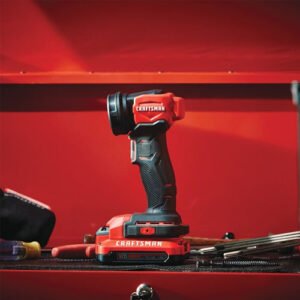
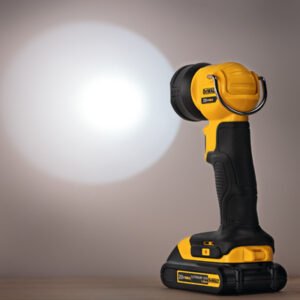
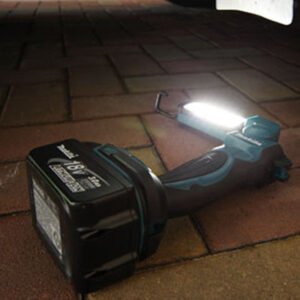
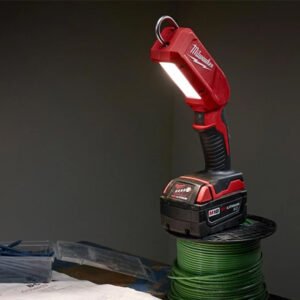


Choosing cordless lighting is less about finding the brightest specification and more about matching the light to the work. A compact inspection light, a high-output jobsite floodlight, a handheld torch and a portable area light can all be excellent choices, but they solve different problems. Before comparing individual products, consider where the light will be used, how long it needs to operate, which battery platform you already own, and whether portability or maximum illumination is the higher priority.
For general household use, a versatile handheld torch can be enough for checking a basement, garage, vehicle or outdoor area. For construction and renovation work, a broader beam is usually more useful because it illuminates a workspace rather than a single point. Mechanics and technicians often benefit from slim inspection lights that can reach confined spaces, while tradespeople working on larger sites may prefer a high-output area light with multiple mounting or positioning options.
One of the most important buying considerations is battery compatibility. Cordless lighting can become considerably more convenient when it uses batteries you already own for drills, impact drivers, saws and other cordless tools. Instead of maintaining a separate charger and battery system, users invested in a particular platform can select compatible lighting and rotate batteries between tools.
Major professional tool ecosystems include Milwaukee, DeWalt, Makita, Bosch, Ryobi and other established manufacturers. Compatibility is not interchangeable simply because batteries have similar voltage ratings or physical appearances. A light designed for one battery family should be used only with the battery system specified by its manufacturer.
A higher nominal battery voltage does not automatically mean a light will provide better real-world performance. Output, electronics, reflector design, beam pattern, thermal management and battery capacity all affect how useful a cordless light is.
Battery capacity is commonly expressed in ampere-hours, or Ah. In general terms, a larger-capacity battery can provide longer operation, but it may also add weight and bulk. For handheld lighting, a compact battery may be preferable when portability is more important than maximum runtime. For stationary work lights, a larger battery can be a sensible trade-off.
Lumens indicate the amount of visible light produced, but lumen figures should not be treated as a complete measure of usefulness. Two lights with similar stated output can feel very different because their optics distribute light differently.
Higher lumen output can be valuable for broad-area illumination, outdoor work and large workspaces. However, maximum output is often only one operating mode. A light with several brightness levels can be more practical than one that operates primarily at maximum intensity.
Beam distance describes how far a light can project useful illumination under the measurement method specified by the manufacturer. A focused beam can reach farther than a wide flood pattern, but that does not necessarily make it better for close-range work.
A narrow spot beam concentrates light into a smaller area and is useful for locating distant objects. A flood beam spreads illumination over a wider area and can reduce the need to reposition the light while working. Some versatile products combine spot and flood functions, providing more flexibility for users who need one light for several jobs.
A handheld torch is convenient when the user needs to move around and direct illumination manually. A dedicated work light becomes more useful when both hands need to remain free. This distinction is particularly important for electrical, plumbing, automotive, construction and maintenance work.
Look for work lights that can be positioned securely rather than simply placed on a flat surface. Depending on the design, useful features can include adjustable heads, hooks, magnetic bases, tripod compatibility or integrated stands. The right mounting method can have more practical value than an impressive maximum-lumen figure.
Several brightness settings allow users to balance illumination and battery consumption. A low setting can be useful for close-up inspection or navigating a dark room, while higher modes can be reserved for demanding work.
A pivoting or adjustable light head can make a substantial difference when the light needs to illuminate a specific work surface. It can also reduce the need to repeatedly move the entire tool.
Hooks, magnets and stands are especially valuable for professional users. When evaluating these features, consider whether the mounting system is appropriate for the surfaces and environments in which the light will actually be used.
Battery-status information helps reduce unpleasant surprises during longer jobs. Depending on the product, this may be provided through a simple indicator, several battery-level LEDs or electronic controls.
Some portable lights support USB charging or other charging methods in addition to, or instead of, a removable tool battery. This can be useful for users who want a compact emergency light rather than another product tied to a professional battery ecosystem.
Canada's climate makes durability particularly relevant. A light used in a heated workshop has very different requirements from one carried outdoors during winter, rain or snow. Check the manufacturer's stated operating conditions and protection ratings rather than assuming that every cordless torch is suitable for harsh weather.
For outdoor or construction use, look for information about impact resistance, dust protection and water resistance. An IP rating can provide useful information about protection against dust and water, but it should be interpreted according to the exact rating rather than treated as a general statement that a product is waterproof.
Battery-powered equipment can behave differently in low temperatures. Lithium-ion batteries may deliver reduced performance when very cold, and battery runtime can vary with temperature, load and battery condition. If a cordless light will routinely be used outdoors during Canadian winters, consult the manufacturer's guidance for the specific battery and light rather than relying on indoor runtime expectations.
A light can have excellent output and still be inconvenient if it is uncomfortable to carry or difficult to position. Weight becomes particularly important when a handheld torch is used for extended periods.
Runtime is affected by brightness mode, battery capacity, temperature, electronics and the condition of the battery. Manufacturer runtime figures may therefore vary substantially between operating modes.
When comparing products, avoid judging runtime from a single number without checking the conditions behind it. A light advertised with an extended runtime may achieve that figure on a lower setting, whereas maximum-output runtime can be much shorter.
Within the same battery platform, higher-capacity batteries generally provide more stored energy. They can also increase the overall size and weight of a handheld light. The best choice depends on whether the light will be carried continuously or positioned in one location for longer periods.
The best design depends on the illumination pattern required.
Established cordless-tool manufacturers often produce lighting that integrates with their existing battery ecosystems. Milwaukee, DeWalt and Makita are prominent examples, while Bosch and Ryobi also offer cordless lighting within their broader tool platforms. The important question is not simply which brand is most recognizable; it is whether the specific light, battery family and accessories match the user's existing equipment and intended application.
Milwaukee cordless lighting is particularly relevant to users already invested in its compatible battery ecosystem. When comparing a Milwaukee light, check the exact battery platform, output modes, mounting features and intended application rather than assuming all models provide the same capabilities.
DeWalt offers cordless lighting intended for applications ranging from general illumination to jobsite use. Buyers should compare the individual model's beam characteristics, battery requirements, adjustability and mounting options.
Makita lighting can be attractive to users who already use compatible Makita cordless tools. As with any battery-platform purchase, verify the exact battery family and product specifications before ordering.
Bosch cordless lighting is worth considering where compatibility with an existing Bosch platform is important. Product specifications should be checked carefully because battery systems and intended applications can differ between product families.
Ryobi cordless lighting can make sense for homeowners and DIY users who already own compatible Ryobi tools and batteries. The value of platform compatibility should be considered alongside output, runtime, portability and mounting options.
Maximum brightness is an attractive specification, but it does not indicate beam quality, runtime, ergonomics or suitability for a particular task. A well-designed moderate-output work light can be more useful than a brighter light with an unsuitable beam pattern.
Before buying a cordless light, verify the exact battery platform. A product may be sold as a bare tool, while another version may include a battery and charger. These configurations should not be assumed to be equivalent when comparing total ownership cost.
A large battery and high-output housing may be appropriate for a stationary work light but unnecessarily cumbersome for frequent handheld use. Think about how the product will be carried, stored and positioned throughout a typical job.
Water-resistance claims should be checked against the actual protection rating and manufacturer's instructions. Avoid exposing a product to conditions beyond its stated environmental protection.
Consider where batteries will be charged and whether an existing charger can be used. For users who already own several cordless tools, platform compatibility may simplify charging considerably.
A useful comparison should go beyond star ratings or a single headline specification. Examine each candidate against the same criteria so that differences are meaningful.
Cordless lights are often sold in different configurations. A bare-tool version can be economical for someone who already owns compatible batteries and a charger. A kit that includes a battery may be more appropriate for someone entering a particular battery platform.
When comparing listings, make sure the advertised configuration is clear. Two apparently similar products can represent very different purchases if one includes a battery and charger and the other does not. For an independent buying decision, compare the complete setup required to use the light rather than comparing the light alone.
Modern cordless work lights generally rely on LED light sources because they can provide substantial illumination with relatively efficient electrical consumption. However, producing high output in a compact housing creates heat that must be managed effectively.
Thermal design can influence sustained performance. A product that can briefly reach a high maximum output may not operate at that level continuously if its electronics reduce output as temperatures rise. Buyers who need sustained illumination should therefore consider manufacturer information about operating modes and continuous use rather than focusing exclusively on peak output.
A cordless light should be treated as a powered electrical tool rather than simply as a flashlight. Follow the manufacturer's operating and charging instructions, use only compatible batteries and chargers, and inspect the light and battery for visible damage before use.
Good maintenance can help preserve the usefulness of cordless lighting. Keep lenses and reflectors clean using the method recommended by the manufacturer. Dirt, dust and residue can reduce the quality of illumination even when the LED itself remains functional.
Remove batteries for storage when recommended by the manufacturer and store battery packs under the conditions specified for the particular battery system. For infrequently used emergency lighting, periodically check the battery condition so the light is not unexpectedly unavailable when needed.
Homeowners generally benefit from versatility, straightforward controls and reasonable portability. A compact light that can be used around a garage, basement, vehicle or during a power outage may be more practical than a large professional area light.
DIY users should prioritize positioning flexibility. A light with an adjustable head, integrated stand, hook or magnetic mounting can keep illumination focused on the project while leaving both hands available.
Mechanics often work around enclosed or poorly illuminated spaces. Slim inspection lighting, adjustable heads and directional illumination can be more useful than maximum beam distance. Battery size should also be balanced against portability when the light is carried around a vehicle.
Construction users typically need durable lighting that can illuminate larger areas and withstand demanding environments. Jobsite mounting options, battery runtime and resistance to dust or impacts can become more important than compact dimensions.
For emergency use, reliability and ease of storage matter. A suitable emergency light should be kept accessible, maintained according to its instructions and stored with an appropriate charging or battery plan. Users who already own cordless tools may appreciate a compatible light because existing batteries can provide an additional power source when maintained and charged appropriately.
The lowest purchase price is not always the lowest overall cost. If a buyer already owns several batteries from a compatible platform, a bare light may offer better value than purchasing another battery and charger. Conversely, someone without an existing platform should consider the cost and usefulness of the entire battery ecosystem.
Also compare accessory requirements. A light that needs a separate stand, mount or charger can have a different total cost from a model that already provides the positioning features needed for the job.
Canadian buyers should verify the current product configuration, seller information, battery inclusion, warranty terms and availability before purchasing. Product specifications and package contents can change, so the manufacturer's current information should take priority over older descriptions.
For marketplace purchases, compare the exact model number rather than relying only on product names. Confirm that the listing corresponds to the intended Canadian configuration and check verified customer feedback for recurring concerns about usability, durability or compatibility.
There is no single best cordless torch for every Canadian buyer. The right choice depends on the required beam pattern, brightness, runtime, battery platform, portability, mounting options and intended environment.
They can be particularly useful when portability and hands-free positioning are important. They are also convenient for users who already own compatible cordless-tool batteries.
No. Maximum lumens describe output, not the complete user experience. Beam shape, runtime, heat management, ergonomics and positioning features can be equally important.
A bare tool can make sense when you already own the correct battery and charger. If you do not own a compatible battery platform, compare the cost of the complete kit before deciding.
The appropriate capacity depends on the balance between runtime and weight. Larger-capacity batteries can be useful for extended stationary operation, while smaller batteries can make handheld lighting easier to carry.
That depends on the specific product and battery manufacturer's stated operating conditions. Cold temperatures can affect battery performance, while moisture and snow require appropriate environmental protection.
A spotlight is generally better for concentrated, directional illumination and distance. A floodlight is better when a broader work area needs illumination. A combination light can be preferable when both applications are important.
An IP rating is useful when a light may encounter dust or water because it provides a defined level of environmental protection. Buyers should check the exact rating and the manufacturer's instructions rather than interpreting every IP-rated product as suitable for any wet environment.
Battery life depends on the battery chemistry, usage pattern, charging practices, storage conditions and age. Replace a battery when it no longer performs acceptably or shows signs of damage, following the manufacturer's guidance.
Before choosing among the best cordless torches and lighting options in Canada, compare the actual requirements of your work against the product specifications. A strong candidate should provide an appropriate beam pattern, sufficient output, practical runtime, comfortable handling and a battery system that makes sense for your existing equipment.
The strongest cordless lighting choice is ultimately the one that fits the user's work, battery ecosystem and operating environment. Comparing these factors consistently makes it easier to distinguish a genuinely useful work light from a product that simply has an impressive specification sheet.