

♥ Wishlist
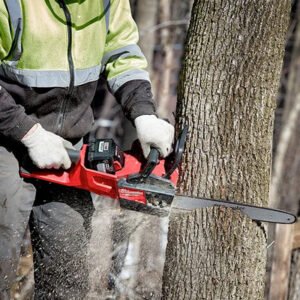
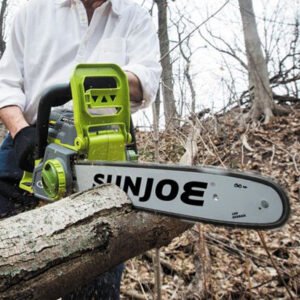
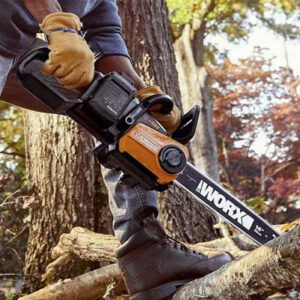


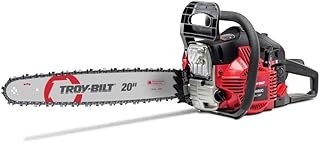


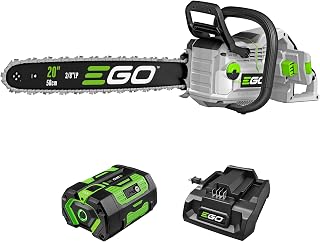
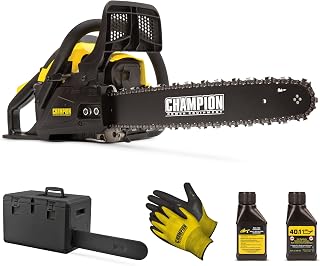


Choosing the right chainsaw starts with understanding the work you expect it to handle. Canadian homeowners, property owners and outdoor users may need a saw for pruning branches, cutting firewood, maintaining a rural property or dealing with occasional storm debris. The best choice is not necessarily the largest or most powerful model. Instead, consider the cutting material, frequency of use, operating environment, required bar length, available power source and how comfortably you can control the saw.
Battery-powered chainsaws are a practical option for many homeowners who want cordless convenience. They eliminate fuel mixing and provide freedom of movement without an extension cord. Compact cordless models can be useful for pruning, smaller branches, light property maintenance and occasional firewood cutting. Larger battery chainsaws can provide substantially more cutting capability while remaining convenient for users who already own compatible batteries and chargers. Before buying a bare tool, check whether a battery and charger are included and calculate the complete system cost.
Corded electric chainsaws can be useful when cutting takes place near a suitable electrical outlet. Their ability to operate continuously without refuelling or recharging can be convenient for light-to-moderate residential work. The main limitation is mobility, since an extension cord becomes part of the working area. Always follow the chainsaw manufacturer's requirements for extension-cord type and use, and keep the cord positioned safely away from the cutting path.
Gas-powered chainsaws remain an important choice for demanding cutting applications. They can provide sustained power without depending on battery runtime or access to an electrical outlet. A gas model may suit frequent firewood processing, larger properties or heavier cutting requirements. However, gas chainsaws generally require more maintenance, including fuel-system care, air-filter maintenance and other engine-related servicing. More engine displacement does not automatically make a saw better for every user, particularly when additional weight makes the equipment harder to control.
Guide-bar length is another important consideration. Shorter bars can be easier to handle for pruning and smaller branches, while mid-size bars can provide versatility for general property maintenance and firewood preparation. Longer bars may be appropriate for larger-diameter wood when paired with a chainsaw capable of supporting them. A longer bar also adds weight and may demand more from the motor or engine, so selecting the longest available option is not always the best approach.
When comparing cordless chainsaws, look beyond voltage alone. Battery voltage does not provide a complete picture of cutting performance. Motor design, chain speed, torque delivery, battery capacity, chain condition and the size and type of wood being cut all affect real-world results. Runtime can also vary significantly with temperature, cutting frequency and workload. For Canadian users, cold-weather conditions deserve particular attention because low temperatures can affect batteries and other equipment. Follow the manufacturer's storage, charging and operating recommendations.
The chain and guide bar deserve as much attention as the power source. Chain pitch, chain gauge and other specifications must match the saw and guide bar when replacing a chain. Chain tension should be checked regularly, while adequate bar and chain lubrication helps reduce unnecessary friction and wear. Features such as automatic oiling and tool-free chain adjustment can make routine operation and maintenance more convenient, but they do not replace proper inspection and servicing.
Safety features should be a major part of any chainsaw comparison. Look for appropriate safety systems such as a chain brake, throttle controls, lockout features and suitable kickback protection. Protective equipment, correct cutting technique and appropriate training remain essential because a chainsaw can cause serious injury. Storm cleanup can be especially hazardous when trees or branches are under tension, suspended or close to structures and utility lines. Tasks beyond your experience or equipment should be left to qualified professionals.
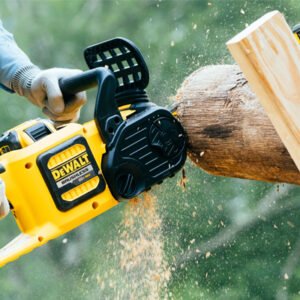
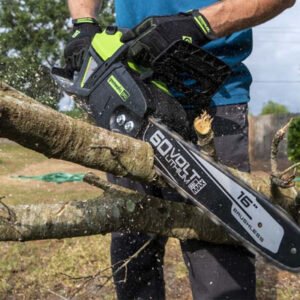
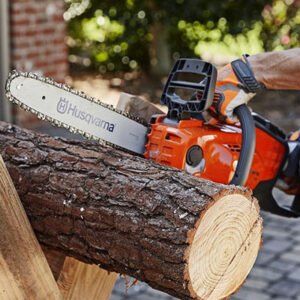
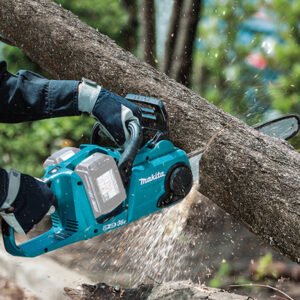
For Canadian shoppers, the available selection includes recognised cordless ecosystems and different chainsaw formats for different workloads. The category includes options associated with brands such as DEWALT, Greenworks, Husqvarna, Makita, Milwaukee, Sun Joe and WORX, along with other chainsaw products. Compare the specific model rather than relying only on brand reputation, and consider operating weight, bar length, power source, battery compatibility, chain availability, maintenance requirements and safety features together.
Whether you need a compact saw for seasonal pruning, a versatile model for firewood or a more capable machine for demanding property work, choosing equipment that matches the job can improve control, convenience and long-term value. Compare the available chainsaws and use the buying information on this category page to narrow your options before making a purchase.
Find chainsaws suited to a wide range of Canadian cutting tasks, from pruning branches and cleaning up storm damage to preparing firewood and handling larger logs. This category brings together cordless battery-powered, corded electric and gas chainsaw options, making it easier to compare power sources, guide-bar sizes, operating weight, features and intended uses before choosing a model.