

♥ Wishlist
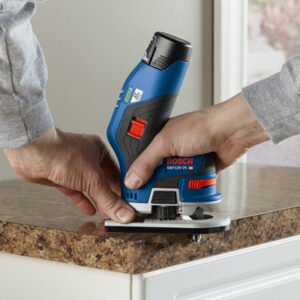
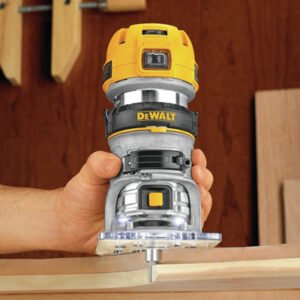
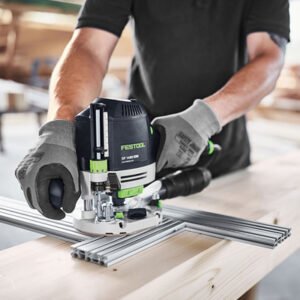
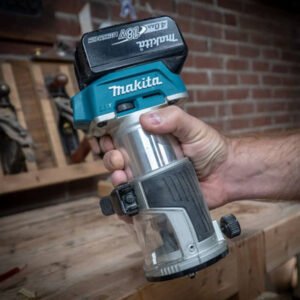
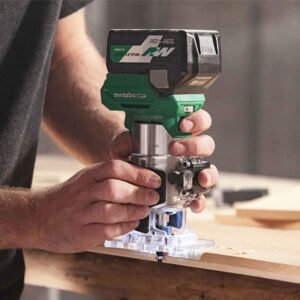
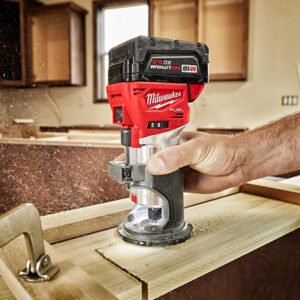


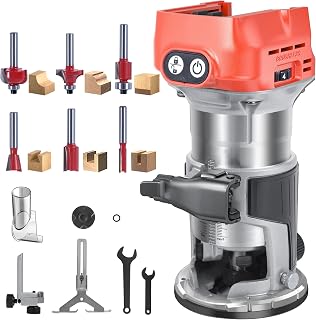


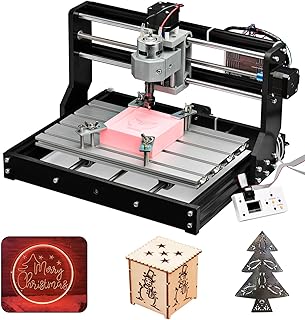
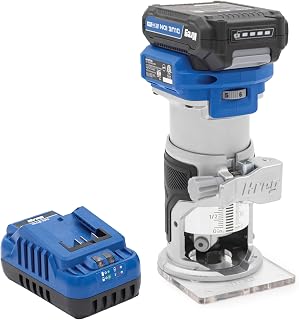
Cordless routers are versatile woodworking tools designed to shape, trim, groove and finish wood without requiring a mains power connection. For Canadian homeowners, DIY enthusiasts, renovators, cabinetmakers and professional tradespeople, a battery-powered router can make it easier to work around a project without managing a power cord. Cordless designs are particularly useful when working in unfinished spaces, on job sites or in areas where access to a convenient electrical outlet is limited.
When choosing a cordless router, start by considering the type of work you expect to perform. Compact models are well suited to edge trimming, rounding over corners, flush trimming laminate and other light-duty routing tasks. Larger or more powerful cordless routers can be a better choice for deeper grooves, joinery and demanding woodworking applications. Matching the router to the job helps provide better control while avoiding the need to carry a tool that is unnecessarily large or heavy.
One of the biggest advantages of cordless routing is mobility. Without a mains cable trailing behind the tool, you can move around a workpiece more freely and position yourself where you have the best visibility. This can be especially helpful when routing large panels, installing trim or completing work away from a permanent workshop. Battery operation can also reduce the number of extension cords required on a busy job site.
Modern cordless routers are typically built around rechargeable battery systems. If you already use compatible cordless tools, choosing a router that works with the same battery platform can simplify your equipment setup. Shared batteries can reduce the number of chargers and battery types you need to keep available, while having a spare charged battery can help minimise interruptions during longer projects.
Power and speed are important considerations, but they are not the only factors that determine whether a cordless router is suitable for a particular project. Look at the router's variable-speed capability, depth adjustment, ergonomics, visibility around the bit and compatibility with the router bits you intend to use. A smooth adjustment system can make it easier to set a consistent cutting depth, while a comfortable grip can improve control during repetitive work.
Collet compatibility should also be checked before purchasing. Router bits are available in different shank sizes, so make sure the router can accept the bits required for your applications. The right combination of router, collet and bit allows you to perform tasks such as decorative edging, rabbeting, dadoing, grooving and flush trimming more effectively.
Battery runtime matters when cordless routing is part of a larger project. Actual runtime depends on the battery capacity, material, cutting depth, bit type, feed rate and workload. For occasional trimming, a compact battery may be sufficient, while extended professional work may benefit from keeping additional charged batteries available. If you already own cordless tools, a compatible battery platform can be a practical way to streamline your workshop or job-site setup.
Canadian shoppers may use cordless routers for everything from furniture projects and cabinetry to home renovation, trim installation and general carpentry. In a workshop, cordless operation can make it easier to move between benches and work areas. On renovation sites, the lack of a power cord can be convenient when working before permanent electrical service is available or when an outlet is not positioned close to the workpiece.
For Canadian conditions, storage and battery care are also worth considering. Rechargeable batteries should generally be stored and charged according to the manufacturer's instructions rather than being left exposed to unsuitable temperatures or moisture. Keeping batteries protected and ready for use can help maintain a reliable cordless setup throughout a project.
The best cordless router depends on the materials, router bits and applications you expect to handle. For detailed edge work, prioritise compact size, visibility and control. For heavier woodworking, pay closer attention to power, speed control, depth adjustment and battery requirements. Comparing these factors before buying can help you select a router that feels comfortable in use and matches the demands of your projects.
Whether you are building furniture, installing cabinetry, shaping timber or completing DIY improvements, a cordless router can be a practical addition to a portable woodworking toolkit. Compare the available options by intended use, compatibility, adjustment features, ergonomics and battery requirements to find a model that suits your Canadian workshop or job site.
Explore cordless routers for woodworking, edge trimming, joinery, cabinetry and DIY projects. Battery-powered routing tools offer the freedom to work without a power cord while providing the control needed for accurate cuts and clean finishes. Whether you are upgrading a workshop, completing renovations or handling professional carpentry work, this category makes it easier to compare cordless router options for your needs.