
♥ Wishlist
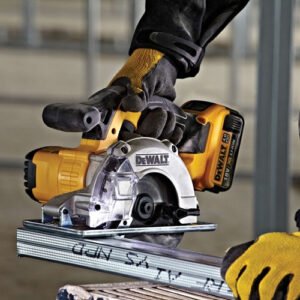
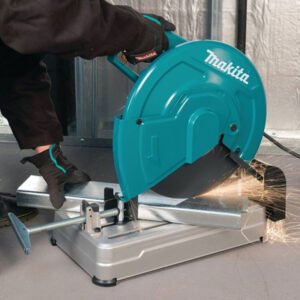
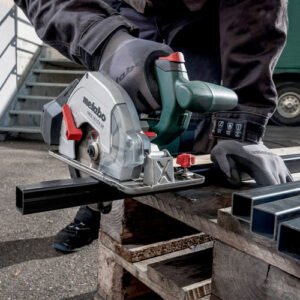


A cordless metal cutting saw gives you the freedom to cut metal without working around an extension cord or searching for a nearby electrical outlet. These saws are designed for applications where portability, fast setup and convenient handling matter, making them useful for tradespeople, fabricators, maintenance teams, contractors and serious DIY users across Canada. Whether you are cutting metal tubing, conduit, sheet material, angle stock or other compatible metal products, choosing the right saw starts with matching its capabilities to the material and work you expect to handle.
Metal cutting applications can vary considerably, so there is no single saw that is ideal for every job. When comparing cordless models, consider the type and thickness of material you normally cut, the required cutting capacity and how often the tool will be used. A compact model may be convenient for installation and maintenance work, while a higher-performance saw can be better suited to demanding fabrication or construction tasks.
Battery-powered metal cutting saws are particularly useful on jobsites where mobility is important. You can move between work areas without dragging a cord behind you, while a compatible battery system can make it easier to share batteries and chargers with other cordless tools. For Canadian users who already have a preferred cordless platform, battery compatibility may therefore be one of the most important factors when narrowing down your choices.
Blade diameter and rated cutting capacity help determine what materials a saw can handle. Always check the manufacturer's specifications for the maximum thickness and material types supported. A larger blade does not automatically make one model better; the useful choice depends on the dimensions of the stock you regularly cut and the access available around the workpiece.
Cordless saw performance depends on the motor, battery technology and overall tool design. Higher-capacity batteries can be useful for longer work sessions, while brushless motor designs are commonly valued for efficient operation and durability. If you already own compatible batteries, staying within the same platform can reduce the need to purchase additional chargers and battery packs.
Weight, balance, grip design and visibility can make a meaningful difference during repeated cuts. Look for features that make it easier to position the saw accurately and maintain control. Integrated work lights, adjustable components, tool-free adjustments and effective chip management can also improve convenience depending on the model and application.
Before purchasing, identify the metals you intend to cut. Different saws and blades are designed for different materials and cutting methods. Steel, stainless steel, aluminium and other metals can have different cutting requirements. The blade must be appropriate for the material, and the saw should be rated for the intended application. Following the manufacturer's recommendations helps promote proper performance and reduces the risk of premature blade wear or tool damage.
Also consider whether your projects involve long production runs or occasional cuts. For frequent cutting, runtime, battery availability and replacement blade costs can become significant considerations. For occasional maintenance or installation work, portability and compact design may be more important than maximum runtime.
A cordless metal cutting saw can be especially convenient when work takes place away from permanent power sources. Construction sites, renovation projects, agricultural properties, service vehicles and outdoor fabrication tasks can all benefit from a portable cutting solution. Battery-powered operation can also make setup simpler when moving between locations.
When working in Canadian conditions, remember that temperature and jobsite conditions can affect battery performance and general tool handling. Store and use batteries according to the manufacturer's instructions, and keep cutting equipment clean and properly maintained. A suitable work area, secure material support and appropriate personal protective equipment are essential whenever metal is being cut.
Start by listing the materials and sizes you need to cut most often. Next, compare the cutting capacity, blade specifications, battery system and ergonomics of suitable models. If you already use cordless tools, battery compatibility can simplify your decision. If the saw will be used frequently, pay close attention to runtime, recharge requirements, motor efficiency and replacement blade availability. For occasional use, prioritise the features that make the tool comfortable and convenient to carry and operate.
It is also worth considering the complete ownership package rather than focusing only on the initial tool price. Some cordless metal cutting saws may be sold as tool-only units, while others can include batteries, chargers or accessories. Check what is included before comparing prices. By evaluating the tool, battery requirements, cutting capacity and intended application together, you can choose a cordless metal cutting saw that fits your projects and working style.
Explore cordless metal cutting saw options with your specific cutting requirements in mind. Compare specifications carefully, select a blade suitable for the material and choose a battery platform that fits your existing tools where possible. The right combination of cutting capacity, portability, runtime and handling can make metal-cutting work faster and more convenient.
Find the right cordless metal cutting saw for clean, controlled metal cuts without the restriction of a power cord. Compare models by cutting capacity, blade size, battery platform, performance and practical features to choose a saw suited to your workshop, jobsite or fabrication tasks in Canada.