

Explore cordless power tools, kits, batteries, chargers, accessories and related equipment available to Canadian shoppers. Compare product options and follow useful buying guides before you buy.
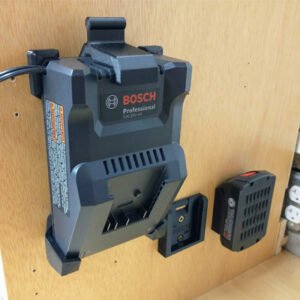
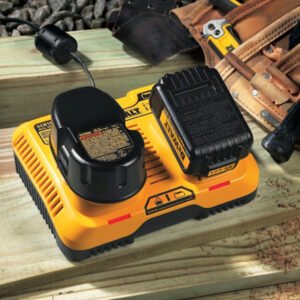
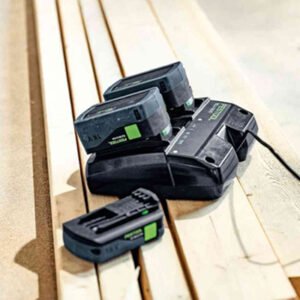
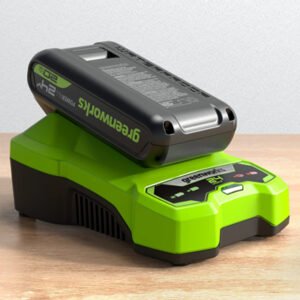
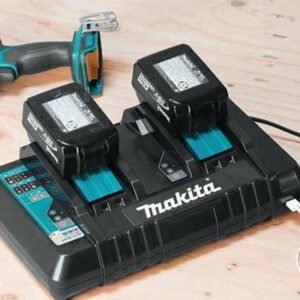
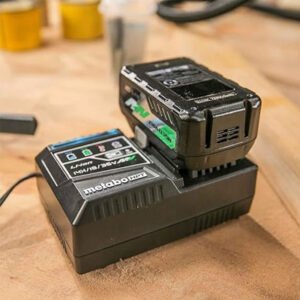
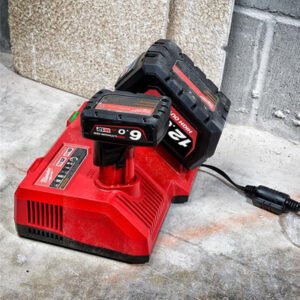
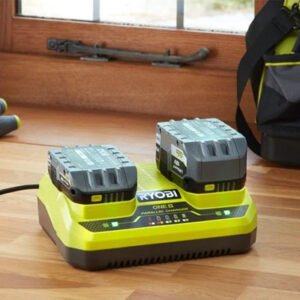
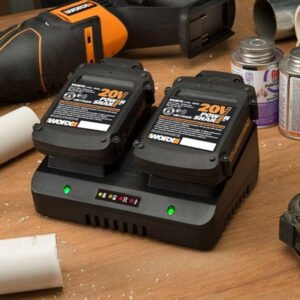


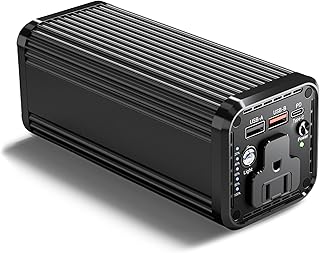


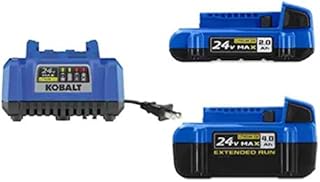


Choosing the right battery and charger is essential when using cordless power tools. A suitable battery can influence runtime, tool performance, weight, charging convenience and overall compatibility. The charger also matters because charging speed, battery chemistry, temperature management and compatibility can vary significantly between tool platforms.
For Canadian buyers, the best choice is not necessarily the battery with the highest voltage or the largest capacity. The right option depends on the tools you already own, the jobs you perform, how frequently you use them and whether you need a compact battery for portability or a larger pack for extended runtime.
This guide focuses on the factors that matter when comparing cordless tool batteries and chargers in Canada in 2026. It also explains voltage, amp-hour capacity, battery chemistry, charging systems, platform compatibility, cold-weather considerations, storage and common buying mistakes.
Before comparing individual products, identify the cordless tool platform you use. Batteries are generally designed around a specific manufacturer's system, and physical fit alone should never be treated as proof of electrical compatibility.
A battery should match the tool's required voltage and platform. The charger should also be specifically intended for that battery family. Using an incompatible charger can create safety risks and may damage the battery or charger.
Compatibility should be the first consideration. Manufacturers such as DeWalt, Milwaukee, Makita, Bosch, Ryobi, Metabo HPT and RIDGID use different battery platforms and connection systems.
Even when two batteries have similar voltage ratings, they are not automatically interchangeable. Platform-specific electronics can control charging, temperature monitoring, power delivery and communication between the battery and tool.
Voltage provides a general indication of the electrical system used by a cordless tool. Common cordless tool battery systems include approximately 12V, 18V, 20V-class and higher-voltage platforms.
A higher voltage does not automatically mean that one battery is better for every application. Compact tools can benefit from smaller battery systems because reduced weight improves handling. Heavy-duty drills, impact wrenches, saws and outdoor equipment may benefit from larger systems designed to provide greater power.
Some manufacturers advertise batteries using nominal voltage while others use maximum or marketing voltage. This means apparently different ratings can sometimes describe closely related battery platforms. Always compare the manufacturer's stated compatibility rather than aFrequently Asked Questions (FAQ)
❓ How are these Power Tool Batteries and Chargers in Canada options ranked? Products are organized using the information available in our product database. When rating information is available, it is shown on the listing; otherwise, we do not invent a rating. ❓ Does clicking outbound links increase my checkout price? No. Clicking a product link does not add an affiliate fee to the shopper's purchase price. ❓ How often are the pricing deals updated on this page? Product listings can change over time. Always check the current Amazon.ca page for the latest availability, seller information and price. ❓ Are these products backed by standard consumer warranties? Warranty, returns and other purchase terms depend on the product, seller and Amazon.ca listing. Check the current product page for the applicable terms before buying.