

♥ Wishlist


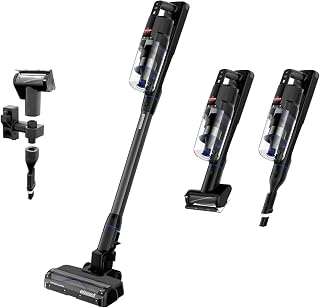
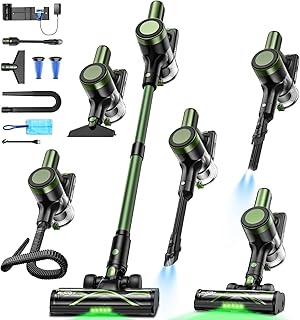


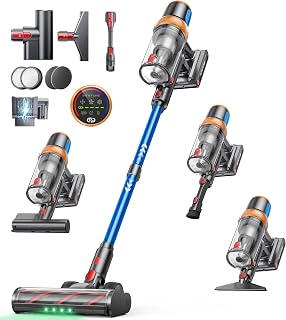
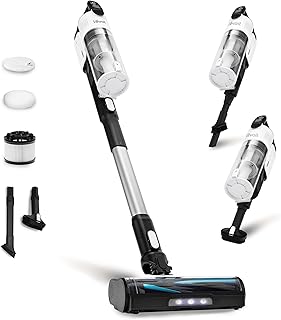
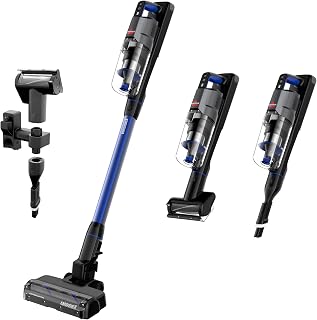


A cordless vacuum can be a practical choice when convenience and quick cleaning matter. Without a power cable restricting movement, you can move easily between rooms, clean stairs, reach around furniture and tackle smaller messes without setting up a full-size vacuum. For Canadian households, the best choice depends less on a single headline specification and more on how the vacuum matches your flooring, cleaning habits and available storage space.
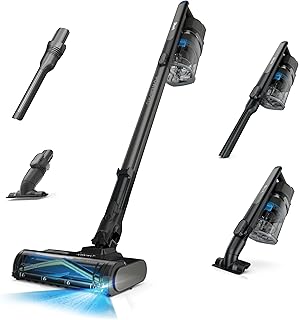
Cordless stick vacuums are particularly popular because they combine a relatively slim design with useful floor-cleaning capability. Many can also convert into handheld vacuums, allowing one machine to handle floors, upholstery, stairs, vehicles and other smaller areas. Dedicated handheld models can be useful for quick jobs such as crumbs, car interiors and furniture, while larger cordless vacuums may offer greater capacity and more comprehensive floor-cleaning performance.
When comparing cordless vacuums, suction power is important, but it should not be the only specification you consider. Manufacturers may measure and present suction differently, so headline figures are not always directly comparable between brands. Floor-head design, brush agitation, airflow and cleaning modes can all influence real-world results.
For hardwood, laminate, vinyl and tile, look for a floor head designed to collect fine dust and larger debris without unnecessarily scattering particles. Homes with carpets and area rugs may benefit from a powered brush roll that helps loosen dirt from fibres. If your home contains mixed flooring, a versatile floor head and simple mode controls can be more useful than optimizing the vacuum for only one surface.
Stick vacuums are well suited to everyday floor cleaning and compact storage. Their slim profiles make them convenient for kitchens, hallways and living areas, while convertible designs can provide handheld functionality for stairs, furniture and vehicles.
A handheld vacuum can be ideal for small cleaning jobs where carrying a full-size machine would be unnecessary. These compact models are useful for crumbs, upholstery, car interiors and quick spot cleaning, although they generally offer less dust-bin capacity and runtime than larger stick designs.
A convertible cordless vacuum can provide a useful middle ground. The same machine can clean floors in its standard configuration and then convert into a smaller handheld unit for furniture, stairs or other hard-to-reach areas. When comparing these models, consider handheld weight, attachment storage and how easily the configuration changes.
Battery runtime is one of the most important differences between cordless models. However, a manufacturer's maximum runtime usually represents a particular operating condition and may not reflect how long the vacuum will run in its highest-power mode. Motorized floor heads and stronger suction settings can reduce operating time.
For smaller apartments, a single battery may provide enough practical cleaning time. Larger homes, frequent cleaning and heavy carpet use may make a removable battery or additional compatible battery more valuable. Also check charging time and whether replacement batteries are available for the exact model. Rechargeable batteries naturally lose capacity over time, so replacement options can affect long-term ownership value.
Pet owners should pay particular attention to brush-roll design and hair management. Dog and cat hair can wrap around rotating components and accumulate in narrow passages, making maintenance more demanding. A self-cleaning or anti-tangle brush design can reduce this inconvenience, although the exact technology varies by model.
Also consider the included attachments. A motorized mini tool can be useful for furniture and stairs, while an upholstery tool can help clean sofas and pet beds. Filtration and dust containment are also worth reviewing when fine particles are a concern.
Filtration affects what happens to fine particles after they enter the vacuum. Look for clear manufacturer information about the filtration system, filter maintenance and replacement requirements rather than relying solely on broad marketing claims. Washable filters can reduce replacement frequency, but they still need proper cleaning and complete drying according to the manufacturer's instructions.
Dust-bin capacity is another practical consideration. A smaller bin may be perfectly adequate for quick daily cleaning but require frequent emptying in a larger home or when collecting substantial pet hair. An easy-to-use emptying mechanism can make a noticeable difference to everyday convenience.
A cordless vacuum should feel manageable during the cleaning tasks you actually perform. Total weight is useful to compare, but balance can be equally important. A top-heavy machine may become tiring when cleaning stairs, furniture or elevated surfaces. Consider handle design, control placement and the weight of the handheld configuration where applicable.
Storage and charging should also be planned before buying. Wall-mounted docks can keep a vacuum organized and ready to use, while freestanding designs may require less installation. Check whether the charging station stores attachments and whether the complete unit fits comfortably in your cupboard, utility area or other preferred storage location.
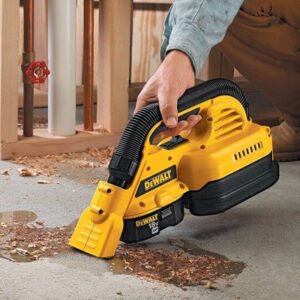
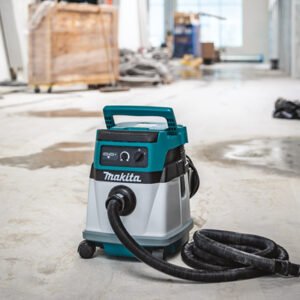
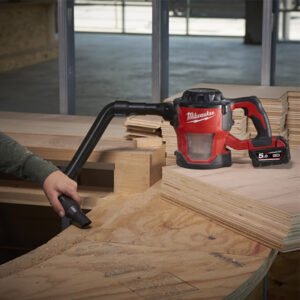
Some cordless vacuums and dust-extraction products are designed around established power-tool battery platforms. This can be useful for shoppers who already own compatible batteries from brands such as Makita, Milwaukee, Bosch or Ryobi. However, battery compatibility should always be confirmed for the exact model and platform. Products carrying the same brand name are not necessarily compatible across every voltage or generation.
Dry cordless vacuums are intended for ordinary dry debris such as dust, crumbs, dirt and hair. Wet-and-dry machines are designed for different cleaning applications and have their own operating and maintenance requirements. Never assume that a standard dry vacuum can collect liquids. Check the manufacturer's specifications for the exact product before using it for wet cleaning.
A useful comparison should consider the complete ownership experience rather than one impressive specification. Check stated runtime, battery type, charging time, available power modes, floor-head design, dust-bin capacity, filtration, weight, included attachments and replacement-part availability. Customer reviews can also reveal recurring concerns involving battery performance, hair tangling, filter maintenance, floor-head reliability and long-term usability.
Canadian shoppers should also consider where the vacuum will be used and stored. A lightweight model may be preferable for a smaller apartment, while a household with several carpeted rooms, pets or multiple levels may benefit from stronger cleaning capability, a larger bin or a removable battery. By matching the vacuum to your actual cleaning routine, you can avoid paying for features you will rarely use while focusing on the specifications that provide everyday value.
Finding the right cordless vacuum in Canada means balancing cleaning performance, battery runtime, weight, filtration, floor type and everyday convenience. Cordless models make it easier to clean kitchens, stairs, vehicles, furniture and entire rooms without managing a power cord, while modern stick and handheld designs can provide useful versatility for different cleaning tasks.This category brings together cordless vacuum options from established brands and a range of product types, including lightweight stick vacuums, convertible handheld models and cordless wet-and-dry machines. Whether you need a compact cleaner for an apartment, a capable vacuum for carpets and hard floors, or a model designed to handle pet hair, compare the features that matter most to your home before choosing.