

Explore cordless power tools, kits, batteries, chargers, accessories and related equipment available to Canadian shoppers. Compare product options and follow useful buying guides before you buy.


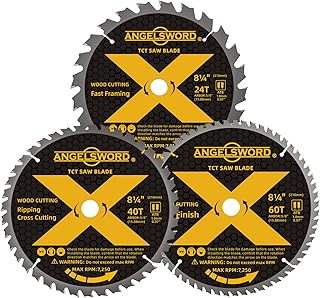


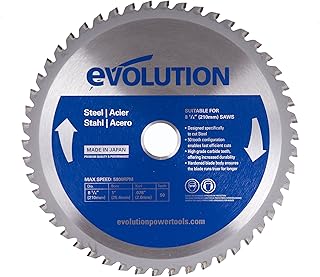




Choosing the right saw blade is often more important than choosing a higher-powered saw. The blade determines how efficiently the tool cuts, how clean the finished edge looks, how much material is removed, and how long the cutting edge can remain useful. A blade designed for framing lumber may perform very differently from one intended for cabinet panels, hardwood, laminate, metal, or composite materials.
Canadian buyers should also consider the material being cut, the saw type, the blade diameter, arbor configuration, tooth geometry, kerf, and the type of finish required. Climate and working conditions can also influence storage and maintenance, particularly for users working in unheated garages, workshops, or outdoor locations.
Rather than selecting a blade based only on tooth count or brand name, compare the complete specification. A suitable blade should match the saw and application while providing an appropriate balance between cutting speed, finish quality, durability, and cost.
A high-quality saw blade is not simply one with the largest number of teeth or the highest advertised specification. Performance depends on how the blade's design matches the material and saw.
Before comparing brands, verify compatibility. A blade that physically looks suitable may still be inappropriate for a particular saw.
Common circular saw and mitre saw blades come in several diameters. The required diameter depends on the saw. Never assume that a larger blade can be installed simply because it appears to fit the arbor.
Using the diameter specified for the saw helps preserve the intended cutting depth, guard operation, and rotational characteristics. Always check the saw manufacturer's instructions before purchasing a replacement blade.
The arbor is the mounting interface between the saw and blade. Its size and configuration must correspond with the saw. Some blades may include additional mounting features or rings for specific applications, but these should only be used when they are expressly compatible with the equipment.
Check the blade's maximum rated rotational speed against the saw. A blade should never be operated beyond its specified limit. The safest approach is to follow both the saw manufacturer's requirements and the blade manufacturer's specifications.
Tooth count is one of the most visible blade specifications, but it is also one of the most misunderstood. More teeth do not automatically mean a better blade.
Blades with fewer teeth are commonly selected when speed and efficient chip removal are priorities. They can be useful for rougher cuts in suitable wood materials, including construction and framing applications.
The larger spaces between teeth provide room for chips to clear the cutting area. This can make a low-tooth-count blade a practical choice when a perfectly smooth edge is not the primary requirement.
Medium-tooth-count blades can provide a useful balance between cutting speed and finish quality. They are often considered versatile options for general woodworking when the user needs more refinement than a rough-cut blade but does not require an extremely fine finish.
Higher tooth counts can be useful when a cleaner cut is the priority. They are particularly relevant for applications where edge quality matters, such as certain finish carpentry and panel-cutting tasks.
However, higher tooth counts can reduce cutting speed and may require more careful feed control. The material and tooth design still matter, so tooth count should never be evaluated in isolation.
Tooth shape affects how a blade enters the material, removes chips, and leaves the cut surface. Understanding basic tooth geometry makes product comparisons more useful.
Alternate Top Bevel, commonly abbreviated ATB, uses teeth with alternating bevel directions. This design is widely associated with woodworking applications and can provide effective cutting performance across many wood products.
ATB blades can be available in different tooth counts and configurations. A general-purpose ATB blade and a fine-finish ATB blade should not be treated as identical simply because they use the same basic tooth geometry.
Flat Top Grind teeth have a flatter cutting profile. They can be useful for applications where efficient material removal is important. The suitability depends on the material, saw, and desired finish.
Combination blades are designed to balance different cutting characteristics. They can be attractive to DIY users who want one blade for several woodworking tasks instead of changing blades frequently.
Some blades use more specialized geometries for particular materials or cutting requirements. These can be valuable when the application demands cleaner results, controlled chip production, or specific material compatibility.
Kerf refers to the approximate width of material removed by the blade. It is an important specification when comparing circular saw blades, table saw blades, and other cutting accessories.
A thin-kerf blade removes less material with each pass. Depending on the saw and application, this can help reduce cutting resistance and material waste. Thin-kerf designs can be particularly interesting for lower-powered saws when the blade is explicitly approved for that equipment.
Full-kerf blades remove a wider section of material and can be well suited to saws designed to handle the associated cutting load. They may offer useful stability for certain applications, but compatibility and saw power remain essential considerations.
Do not select a thin-kerf blade solely because it appears more efficient. Confirm that its design is compatible with the saw and the intended work.
Carbide-tipped blades are widely used for woodworking because carbide can provide a durable cutting edge. Many blades use carbide tips brazed onto the steel blade body.
The quality and geometry of the carbide teeth matter. A blade with suitable carbide construction can be a better long-term choice than repeatedly purchasing inexpensive blades that are poorly matched to the application.
For Canadian shoppers, it is useful to compare tooth construction, intended material, sharpening or replacement options, and expected workload rather than judging a blade only by its initial purchase price.
Softwood framing lumber generally benefits from blades designed for efficient material removal. For rough construction cuts, speed may be more important than an exceptionally smooth edge.
Hardwood can place greater demands on a cutting edge. A suitable blade should be selected according to the species, thickness, cutting method, and desired finish. Fine woodworking applications may justify a blade designed for cleaner cuts.
Plywood can splinter depending on its construction and the direction and quality of the cut. A blade with an appropriate tooth count and geometry can help improve edge quality. Test cuts on scrap material can be useful before beginning visible work.
MDF generates fine dust and can be abrasive to cutting edges. A blade selected specifically for panel materials can be preferable to a basic construction blade when repeated MDF cutting is required.
Laminated materials can be more demanding when the goal is to avoid chipping on the visible surface. A suitable fine-cut blade and correct cutting technique can make a significant difference.
Aluminium and other non-ferrous metals require blades specifically designed and rated for the application. A standard woodworking blade should not be assumed to be appropriate for metal cutting.
Some plastics and composite materials can melt, chip, or behave unpredictably when cut with an unsuitable blade. Always verify that the blade is designed for the specific material and saw being used.
Circular saw blades should be selected according to the saw diameter, arbor specification, cutting depth, material, and intended finish.
For construction work, a durable general-purpose or framing-oriented blade may make sense. For finish work, a higher-tooth-count blade may be more appropriate. Users who regularly switch between applications may benefit from keeping separate blades instead of expecting one blade to perform every task equally well.
Mitre saws are often used where cut accuracy and edge quality are important. The ideal blade depends heavily on whether the saw is being used for framing, trim, moulding, hardwood, composite boards, or other materials.
A blade designed for fine crosscuts can be useful for finish carpentry, while a lower-tooth-count option may be better suited to faster construction cuts. Check the mitre saw's recommended blade specifications before changing accessories.
Table saw users often benefit from selecting blades according to the type of cut. Ripping, crosscutting, and combination work can have different blade requirements.
Ripping follows the grain of wood. A suitable ripping blade prioritizes efficient chip removal and controlled cutting through the material.
Crosscutting runs across the grain. A blade designed for cleaner crosscuts can be preferable when edge quality is important.
A combination blade can be convenient when a user wants to perform both ripping and crosscutting without changing blades frequently. This convenience can make combination blades appealing for general-purpose workshops.
Reciprocating saw blades are fundamentally different from circular saw blades. Their tooth design, length, thickness, and material should be selected according to the job.
Wood-cutting reciprocating blades, demolition blades, metal-cutting blades, and specialized blades are designed for different workloads. When comparing them, consider tooth pattern, blade thickness, length, material construction, and the type of cutting expected.
The blade body and tooth material influence durability and cutting behaviour.
The best material depends on the application. A premium material does not automatically make a blade appropriate for every job.
When researching saw blades, established manufacturers can provide a useful starting point because they typically offer clearly defined product categories for different saws and materials. Brands worth comparing include DEWALT, Diablo, Milwaukee, Bosch, Makita, Freud, CMT, Irwin, and RIDGID.
Brand reputation should still be only one part of the decision. Compare the exact blade specification, intended application, tooth geometry, diameter, arbor, kerf, and compatibility with your equipment.
When two blades appear similar, compare their specifications line by line rather than relying on packaging design or brand familiarity.
Tooth count provides useful information, but it does not describe the complete blade. Tooth geometry, material compatibility, kerf, and blade construction can be equally important.
A blade should be compatible with the saw. Incorrect diameter, arbor configuration, or operating speed can create serious safety and performance problems.
A general-purpose blade has limits. Wood, laminate, metal, plastic, and composite materials can require different blade designs.
Initial price is not always the best measure of value. A blade used frequently may justify a higher-quality option if its construction and intended application better match the workload.
A high-tooth-count finishing blade can be unnecessary for rough framing work. Using the appropriate blade for the task can improve efficiency and avoid unnecessary wear.
Even a high-quality blade eventually becomes less effective. A dull blade can produce poorer cuts and may encourage excessive feed pressure. Plan for replacement or professional sharpening where applicable.
A blade may need attention when cutting becomes noticeably slower or when the finished edge deteriorates. Other warning signs can include increased resistance, excessive burning on suitable wood, rougher cuts, or the need to apply more pressure than usual.
These symptoms can also result from incorrect blade selection, material problems, alignment issues, or equipment condition. Do not assume that every cutting problem is caused by the blade alone.
Proper maintenance can help preserve cutting performance and extend the useful life of suitable blades.
Storage deserves attention in Canada, particularly for workshops exposed to seasonal temperature changes. Condensation can occur when cold tools or accessories are moved into warmer environments.
Store blades in a dry, protected area and avoid leaving them exposed to unnecessary moisture. Keeping the teeth protected also reduces the possibility of accidental damage during transport or storage.
Blade selection and safe operation should always be considered together. Use the blade only with equipment for which it is specifically intended.
The right budget depends on how often the blade will be used and what type of work it must perform. Occasional DIY users may prioritize versatility and reasonable replacement cost. Professionals and frequent workshop users may place greater value on cutting consistency, durability, specialized tooth design, and the ability to maintain or replace blades efficiently.
Instead of comparing price alone, consider the cost in relation to the workload. A blade that is well matched to the material can be more useful than a more expensive blade designed for a different application.
A higher-end blade can be worth considering when cutting quality is important, the tool is used frequently, the material is expensive, or consistent results are required.
Premium options can also make sense when a specialized tooth configuration or material construction is needed. However, paying more cannot compensate for using the wrong blade type.
A general-purpose blade can be practical for homeowners and DIY users who perform varied woodworking tasks. Instead of maintaining many specialized blades, one versatile blade may cover routine work.
The trade-off is that a general-purpose blade may not provide the fastest cut or cleanest possible finish in specialized applications. If a particular task becomes frequent, adding a dedicated blade can be a logical upgrade.
Blade quality is only one factor in cut quality. The saw's condition, workpiece support, blade alignment, feed rate, material, and cutting technique also matter.
For occasional DIY work, one versatile blade may be sufficient. For frequent woodworking, dedicated blades can provide better results because each blade can be optimized for a particular material or cutting style.
A workshop might therefore use a faster blade for construction cuts, a finer blade for visible crosscuts, and a specialized option for materials such as laminate or MDF. This approach can also reduce the temptation to use an inappropriate blade simply because it is already installed.
There is no single saw blade that is best for every Canadian buyer. The right choice depends on the saw, material, cutting direction, desired finish, frequency of use, and operating conditions.
For construction work, prioritize efficient cutting and suitable durability. For finish carpentry, place greater emphasis on tooth configuration and edge quality. For panels and laminated materials, look for a blade specifically designed to manage the characteristics of those materials. For metal or other specialized materials, use only blades explicitly intended for the application.
When comparing the products featured in this guide, look beyond star ratings and headline specifications. Verify the exact blade size, arbor, tooth count, tooth geometry, kerf, material compatibility, and maximum operating speed. These details provide a much stronger basis for a purchase decision than brand recognition alone.
Established names such as DEWALT, Diablo, Milwaukee, Bosch, Makita, Freud, CMT, Irwin, and RIDGID offer different blade categories, so compare individual models rather than assuming every blade from one manufacturer has the same purpose.
For the best result, match the blade to the job first and the budget second. A correctly selected mid-range blade can outperform a premium blade that is poorly suited to the material. Before buying, check the latest specifications, current retailer information, and verified customer feedback for the exact product you are considering.
A general-purpose woodworking blade can be a practical choice when the user performs a mixture of cuts. Choose the tooth count and geometry according to whether cutting speed, versatility, or finish quality is the priority.
No. Higher tooth counts can provide smoother cuts in appropriate applications, but they are not automatically better. Lower-tooth-count blades can be more suitable when rapid material removal is required.
Carbide-tipped blades can be a useful choice for many woodworking applications because carbide can provide a durable cutting edge. Whether the additional cost is worthwhile depends on the workload and application.
No. Different materials have different cutting requirements. Always use a blade specifically rated for the material and compatible with the saw.
A blade designed for plywood and clean panel cutting can be preferable when edge quality matters. The appropriate tooth count and geometry depend on the plywood construction and the type of cut.
The best choice depends on the hardwood, thickness, saw, and desired finish. A blade designed for clean hardwood cuts can be preferable for visible work, while a more aggressive design may be appropriate for rougher applications.
A ripping blade is designed for cuts along the grain, while a crosscut blade is optimized for cutting across the grain. Their tooth configurations are designed around these different cutting actions.
There is no universal replacement interval. Replace or service a blade when it becomes unsuitable for the intended work, shows damage, or no longer provides acceptable cutting performance. Usage frequency, material abrasiveness, and maintenance all affect service life.
Some blades can be professionally sharpened, particularly certain carbide-tipped woodworking blades. The practicality depends on the blade construction, damage, cost, and availability of suitable sharpening services.
A thin-kerf blade can be useful in suitable saws and applications because it removes less material. However, compatibility must be confirmed before purchase. Follow the saw and blade manufacturer's specifications.
Common established brands worth comparing include DEWALT, Diablo, Milwaukee, Bosch, Makita, Freud, CMT, Irwin, and RIDGID. Compare individual blade specifications rather than choosing exclusively by brand.
Check the blade diameter, arbor configuration, maximum RPM, tooth count, tooth geometry, kerf, material compatibility, intended cutting application, and the saw manufacturer's compatibility requirements. Current retailer information and verified customer feedback can then help with the final comparison.
No. The most expensive blade is not necessarily the best match. Application-specific design and compatibility are more important than price alone.
There is no single specification that matters most for every application. Compatibility should come first, followed by material suitability, tooth design, cutting requirements, and overall construction.