

♥ Wishlist


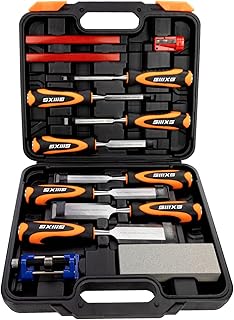


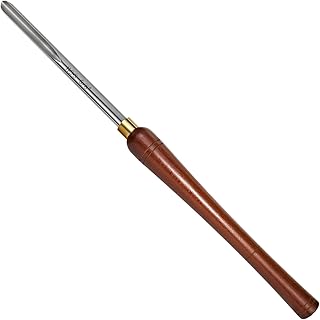
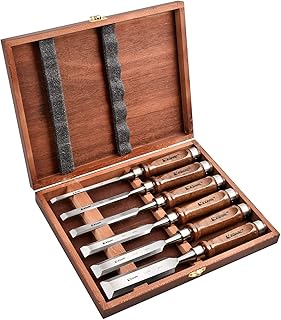

Chisels are precision cutting and material-removal tools designed for a wide range of jobs, from fine woodworking and furniture making to masonry, renovation and metalworking. Choosing the right type is important because a woodworking chisel, cold chisel and masonry chisel are built for very different materials and working forces. This category brings together chisel options that can help Canadian DIY users, tradespeople, woodworkers and workshop professionals find a tool suited to the job.
For woodworking, bench chisels are among the most versatile choices. They can be used for trimming joints, cleaning mortises, removing waste and refining edges. Bevel-edge chisels are particularly useful for joinery because their angled sides can provide better access in tight corners, including dovetail joints. Paring chisels are designed for controlled, light material removal and are useful when fitting joints or refining surfaces after heavier cutting has been completed.
Wood chisels are designed for controlled cutting of timber and wood-based materials. When choosing a woodworking chisel, consider blade width, steel quality, edge geometry, handle construction and how much chopping or paring you expect to do. A selection of different widths can be more useful than relying on one oversized blade for every task.
Mortise chisels feature robust blades intended to withstand repeated mallet strikes while cutting square-sided mortises. Bevel-edge chisels offer greater access around joinery and are popular for general bench work, dovetails and detailed carpentry. Matching the blade profile to the type of joinery can make precise work easier and more controlled.
Cold chisels are intended for cutting and shaping metal and other hard materials. They require construction and edge geometry appropriate for impact work. If your project involves metal fabrication, automotive work or general metalworking, check the manufacturer's specifications for the intended material and striking method before choosing a chisel.
Masonry chisels are made for materials such as concrete, brick, block and stone. Some are designed for hand striking, while SDS chisels are accessories for compatible rotary hammers and combination hammers. Common power-tool profiles include pointed, flat, tile and scaling chisels. Always confirm the shank system and tool compatibility before purchasing a power-tool accessory.
Blade steel is an important consideration because it affects edge retention, toughness and sharpening behaviour. A useful chisel needs an appropriate balance of hardness and durability rather than simply the hardest available steel. For woodworking, also consider the condition and flatness of the blade back, since a well-prepared back can support accurate paring and joint fitting.
Blade width and thickness should match the work. Narrow chisels are useful for small mortises, grooves and detailed joinery, while medium widths are versatile for general bench work. Wider blades can remove material efficiently from larger surfaces. Thicker blades generally provide more resistance to bending and are often better suited to chopping, while thinner blades can offer greater manoeuvrability for controlled paring.
Handle design is another practical consideration. If you regularly use a mallet, select a handle intended for impact rather than a delicate paring-style design. Wood handles can provide a traditional feel, while composite and other modern handle materials may offer different combinations of grip, impact resistance and maintenance requirements.
A chisel set can be a convenient way to build a workshop collection, particularly when you need several blade widths for woodworking. However, the number of pieces is not the only factor to consider. Check which sizes are included, the blade material, handle construction, edge preparation, storage options and suitability for your intended work. A smaller set containing useful sizes can be more practical than a larger assortment filled with tools you rarely use.
Individual chisels can make sense when you already have a core collection and need a specific width or specialised profile. This approach can also be useful for professionals who know which tools they use most frequently and want to expand their selection gradually.
Regular maintenance helps keep cutting tools effective. A sharp chisel is generally easier to control than a dull one and can reduce the need for excessive force. Depending on your workshop setup, sharpening can be performed with water stones, oil stones, diamond plates, abrasive systems or suitable powered equipment. Light honing can maintain an existing edge, while more substantial sharpening is appropriate when an edge becomes damaged or significantly worn.
Storage is particularly important in Canadian workshops where seasonal temperature changes can contribute to condensation and moisture. Keep steel chisels clean and dry, protect sharp edges with suitable guards or storage systems, and follow the manufacturer's recommendations for corrosion protection. Avoid storing sharp chisels loose where their cutting edges can contact other tools.
When comparing chisels online, look beyond price and star ratings. Check the exact chisel type, blade dimensions, material, handle design and intended application. For power-tool chisels, verify the shank and machine compatibility. For woodworking tools, consider the balance between edge retention and ease of sharpening. Canadian shoppers should also review current retailer listings for availability, package contents and pricing before purchasing.
Whether you are building a first woodworking toolkit, replacing a frequently used bench chisel or selecting a specialised masonry or metalworking accessory, matching the tool to the material and task is the most reliable way to make a useful purchase.
Find the right chisels for detailed woodworking, carpentry, joinery, masonry, renovation and metalworking projects. Compare individual chisels and sets by type, blade size, construction and intended application to choose a practical option for your Canadian workshop or job site.