
♥ Wishlist


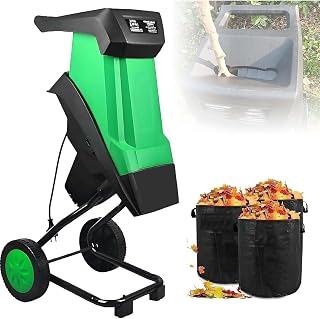
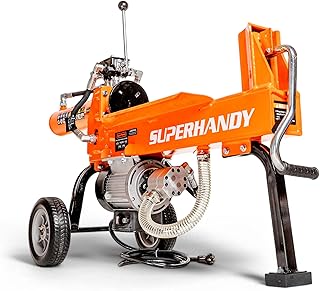


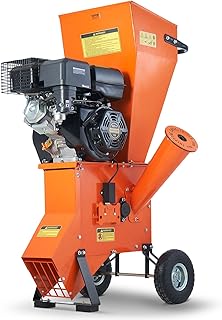


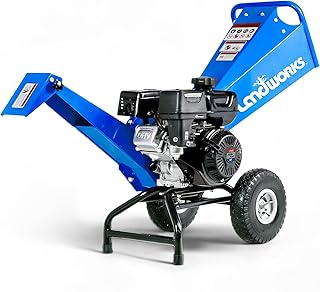


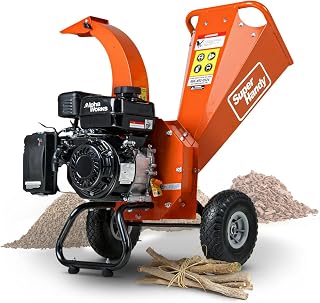


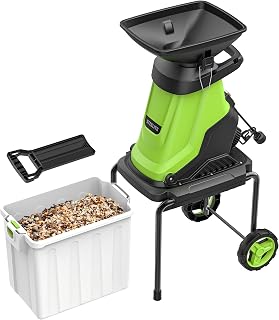
A garden shredder can make seasonal pruning and yard cleanup much easier by reducing suitable garden waste into smaller, more manageable pieces. The best model for your property depends less on headline motor power and more on the material you need to process, the amount of waste you generate and the machine's stated capacity. Canadian shoppers should also consider power access, storage, noise, mobility, maintenance and the availability of replacement parts.
Before comparing models, think about the work you actually do. A small residential garden that produces hedge trimmings, twigs and leaves may only require a compact electric shredder. A larger property with frequent pruning may benefit from a machine with a larger feed opening, higher branch capacity and a more substantial collection system. If you regularly process large or dense branches, a dedicated wood chipper may be more appropriate than a domestic garden shredder.
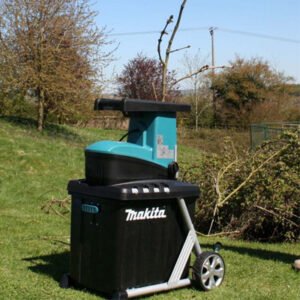
Corded electric shredders are practical for homeowners who have convenient access to a suitable outdoor power source. They avoid fuel storage and engine-related maintenance and can provide consistent power during longer cleanup sessions. Their main limitation is mobility. Your working area depends on outlet placement and the correct extension-cord arrangement.
When comparing an electric garden shredder, check its recommended branch diameter, cutting mechanism, collection method, machine weight, overload protection and manufacturer instructions. Wattage can be useful, but it should not be the only specification guiding your purchase.
Cordless models can be appealing when freedom of movement is important. Without a power cable crossing the garden, it can be easier to work around trees, garden beds and shrubs. Battery runtime, charging time and battery availability become important considerations, particularly when processing a large amount of material.
If you already own compatible cordless outdoor equipment, a shredder that uses the same battery platform may be convenient. Always confirm the exact battery and charger requirements because compatibility is not universal between brands or product ranges.
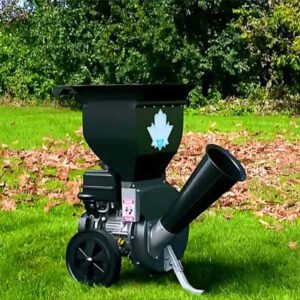
Petrol-powered machines are generally more relevant to larger properties and heavier workloads where electrical access may be limited. They can provide greater processing capability, but they may also be heavier, louder and more demanding to maintain. Do not compare a heavy-duty petrol wood chipper directly with a compact residential shredder simply because both process garden debris.
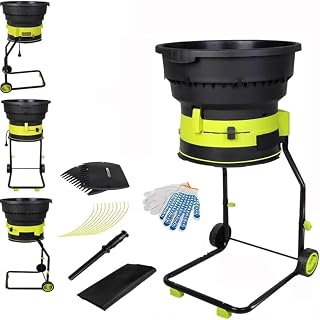
Garden shredders use different cutting approaches, and each can suit different types of material. Blade-based systems can work well with leaves, softer green waste and smaller branches when those materials fall within the manufacturer's specifications. Roller or crushing systems can be attractive for woody pruning because they draw material through a controlled cutting mechanism. Some models use turbine-style systems designed to handle a mixture of garden debris.
The cutting technology name is less important than the machine's actual specifications. Look at the permitted materials, maximum branch diameter, feeding arrangement and maintenance requirements. If your garden produces both leafy material and woody pruning waste, choose a model specifically designed for that combination rather than assuming one machine can safely process everything.
Maximum branch diameter is one of the most useful specifications when comparing garden shredders. Measure the branches you normally encounter and compare that measurement with the manufacturer's stated limit. A machine with a higher maximum capacity can be worthwhile if your property produces substantial woody pruning, while a compact model may be more practical for thin twigs and hedge trimmings.
Remember that the stated maximum is not a guarantee that every branch of that size will feed effortlessly. Hardness, moisture, forks, knots and branch shape can affect feeding performance. Avoid exceeding the manufacturer's material limits, as oversized or unsuitable material can cause jams, poor performance or unnecessary mechanical stress.
The terms garden shredder and wood chipper are sometimes used interchangeably in online searches, but they can refer to equipment intended for different workloads. A garden shredder is commonly suited to domestic garden waste, pruning debris, twigs and smaller branches. A wood chipper is generally designed for more substantial woody material and larger branches.
For routine residential pruning, a compact electric or cordless garden shredder may offer a convenient balance of capacity, storage and ease of use. If your work regularly involves thick tree branches or large volumes of woody material, compare dedicated wood chippers instead. The right category should be determined by the hardest and largest material you realistically need to process.
Collection capacity is important because shredding is only part of the cleanup process. A larger collection bag or box can reduce the number of interruptions during a major garden tidy-up, while a compact collection system may be perfectly adequate for occasional pruning. Wheels and a stable base can also make a noticeable difference when moving equipment around a property.
Noise may matter in residential neighbourhoods, particularly when gardens are close to neighbouring homes. Where published, compare manufacturer noise information and consider the cutting mechanism. Storage is another practical concern. Check the machine's dimensions and weight before buying, especially if it will be stored in a shed or garage during Canada's colder months.
For corded equipment, verify voltage, rated power, plug configuration and extension-cord requirements before use. Follow the manufacturer's recommendations for outdoor electrical connections and keep electrical connections away from standing water. For cordless models, check battery storage and charging requirements for the conditions specified by the manufacturer.
Safety should be a priority when operating any machine with moving cutting components. Use the feeding system exactly as instructed, keep hands away from the hopper and never attempt to clear a blockage while cutting components may still be moving. Disconnect electrical equipment from its power source before maintenance or blockage clearing whenever the manufacturer's instructions require it.
Inspect cutting components regularly for wear or damage and replace worn parts with compatible components specified for the model. For corded machines, inspect cables and plugs before use. Keep the feeding area and ventilation openings clear where applicable, clean the machine using the recommended method and store it securely when it is not in use.
For Canadian homeowners, seasonal conditions also influence garden-shredder use. Spring pruning, summer hedge maintenance and autumn leaf cleanup can create different types of material. Wet or green material may behave differently from dry branches, so always follow the manufacturer's guidance about suitable material. Before winter storage, clean and inspect the machine according to the manufacturer's instructions and store batteries or electrical equipment under the conditions specified for the product.
The right garden shredder is ultimately the one that matches your actual workload. Compare material compatibility, branch capacity, cutting mechanism, power source, collection system, mobility, noise, storage and maintenance rather than choosing solely by motor rating or advertised performance. With those factors in mind, Canadian shoppers can narrow the category to equipment that is practical for their property and seasonal garden-maintenance needs.
Find a garden shredder that matches the type and volume of yard waste you handle. Compare electric, cordless and heavier-duty shredding and chipping options for leaves, twigs, hedge trimmings and suitable branches.