


♥ Wishlist
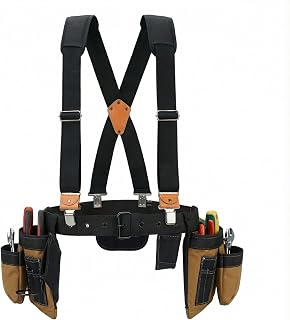


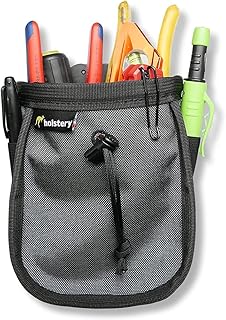


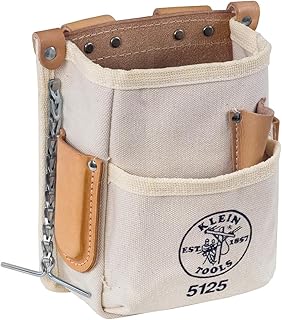


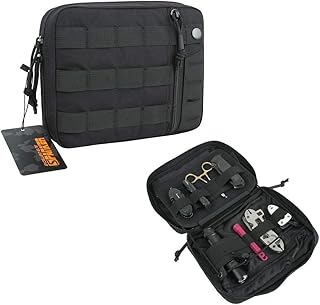
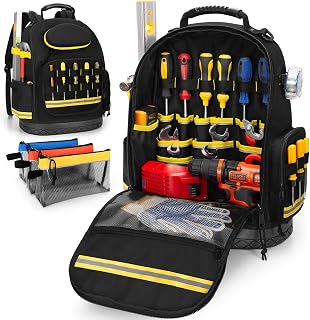

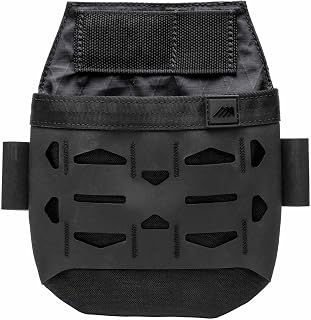


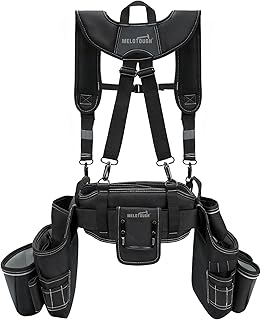


Tool pouches and belts provide wearable storage for the hand tools, fasteners and accessories you use throughout a job. Instead of repeatedly walking back to a toolbox, vehicle or workbench, you can keep commonly needed items close at hand. The ideal setup depends on your trade, workload, preferred tool arrangement and the amount of weight you need to carry.
A compact tool pouch can be a practical choice for light repairs, maintenance and DIY projects. If you regularly carry a hammer, tape measure, screwdrivers, pliers, utility knife and fasteners, a larger belt with dedicated pockets may offer better organisation. Professional users with changing tool requirements may prefer a modular system that allows individual pouches and accessories to be repositioned.
Start by considering the tools you actually use during a typical task rather than choosing a belt simply because it has the highest pocket count. A carpenter may prioritise a secure hammer holder, tape-measure clip and fastener compartments, while an electrician may need organised vertical pockets for screwdrivers, pliers, cutters and other hand tools. Plumbers and maintenance technicians may require stronger storage areas for heavier tools.
Think about frequency of use as well. Tools needed every few minutes should be positioned where they can be reached easily without excessive twisting or bending. Less frequently used items can go into secondary compartments. A well-organised belt with fewer useful pockets can be more efficient than a bulky system filled with storage you rarely use.
Leather, nylon and polyester are among the most common materials used for tool pouches and belts. Leather is popular with users who prefer traditional construction and a robust feel. It can be durable and may become more flexible with use, although it can also be heavier and requires appropriate care, particularly when exposed to moisture.
Nylon and polyester designs can offer a lighter alternative for everyday work. Their performance depends on fabric quality, stitching, reinforcement and hardware. When comparing products, pay close attention to belt attachment points, pocket corners, hammer loops and other high-stress areas. Reinforced stitching and secure hardware can be especially important when carrying heavier hand tools.
A tool belt should remain stable while walking, bending, kneeling and working in different positions. More capacity is not automatically better if the additional tools make the system uncomfortable. Position heavier tools close to the body's centre of gravity where possible, and consider wider or padded belts when carrying a substantial load for extended periods.
Adjustability is particularly useful in Canada because work clothing can vary considerably between seasons. A belt that fits comfortably over a lightweight summer shirt may need additional adjustment when worn with thicker winter layers. Check the manufacturer's stated waist range before buying and avoid assuming that all belts use the same sizing system.
Fixed tool belts have an established pocket arrangement and can be convenient when you perform similar tasks regularly. Modular systems provide greater flexibility because pouches can often be moved, added or replaced according to the job. They are useful for professionals who switch between different types of work.
Suspender-supported systems can also be worth considering when a belt carries a substantial load. Shoulder straps can help distribute some of the weight away from the waist and may provide additional stability during frequent movement. For lighter jobs, however, a simple pouch or compact belt may be all that is necessary.
Canadian users may encounter rain, snow, mud, dust and significant temperature changes depending on their location and season. Material selection and maintenance therefore deserve attention when choosing a tool pouch. Do not assume a pouch is waterproof unless the manufacturer specifically states an appropriate level of protection. Water-resistant fabric and coated materials are not necessarily equivalent to waterproof construction.
If a pouch becomes wet during outdoor work, allow it to dry thoroughly before storing it. Leather and fabric products should not be left damp in enclosed storage for extended periods. Regularly remove sawdust, metal debris and other particles from pockets, and inspect seams, stitching and attachment points for signs of wear.
When comparing tool pouches and belts in Canada, look beyond the product name and headline pocket count. Check the material, dimensions, waist adjustment range, empty weight, pocket layout and whether a belt is included. Make sure the pockets can accommodate the actual dimensions of your tools, especially longer screwdrivers, large pliers and bulky measuring equipment.
Customer reviews can provide useful information about comfort, sizing, durability and everyday accessibility. Look for recurring feedback rather than relying on one isolated review. A professional who carries a heavy tool load may have very different requirements from a DIY user who needs only a few tools for occasional household projects.
The best tool pouch or belt is one that matches your work instead of simply offering the maximum amount of storage. Choose a compact design when low weight and mobility matter, a larger belt when you need several hand tools readily available, or a modular and suspender-supported system when your workload demands greater flexibility and load distribution.
Explore the available tool pouches and belts to compare practical storage options for carpentry, electrical work, plumbing, maintenance, construction, renovation and DIY projects. By matching the belt style, material, fit, capacity and pocket layout to your actual workflow, you can create a more organised and comfortable way to carry the tools you use most.
Keep essential tools organised, accessible and ready for the job with the right tool pouch or belt. Tool pouches and belts are useful for carpenters, electricians, plumbers, HVAC technicians, contractors, maintenance professionals and DIY users who need frequently used tools within easy reach. From compact clip-on pouches to full multi-pocket belt systems with suspenders, the right setup depends on the tools you carry, how often you move and how much weight you need to support. For Canadian shoppers, material, fit, adjustability and weather conditions can also influence the best choice. Compare leather, nylon, polyester and reinforced synthetic designs, along with fixed and modular configurations, to find a practical tool-carrying solution for your work.