

♥ Wishlist

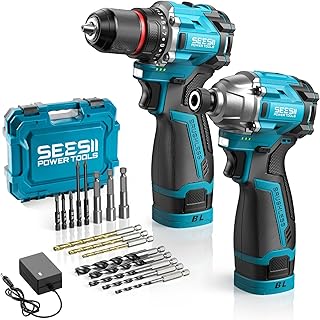
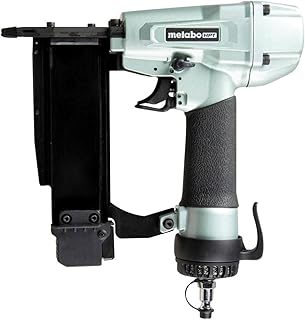
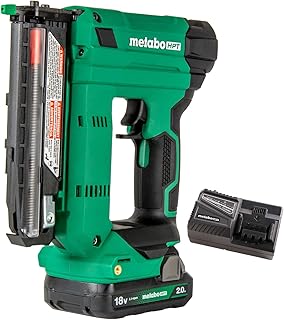
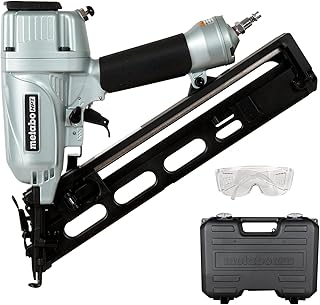
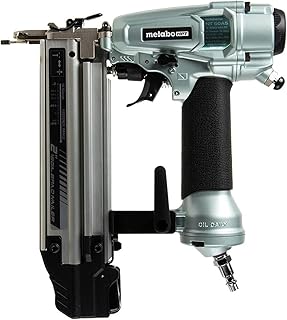


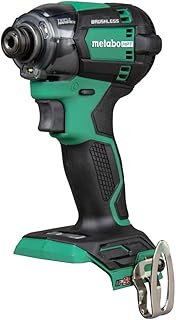


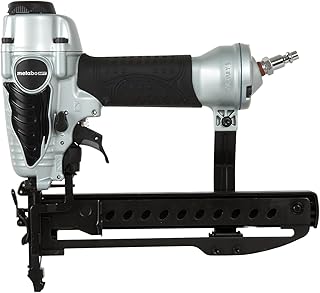
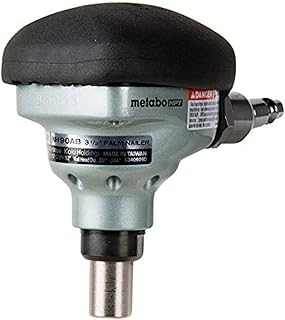
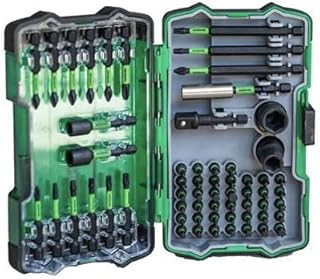


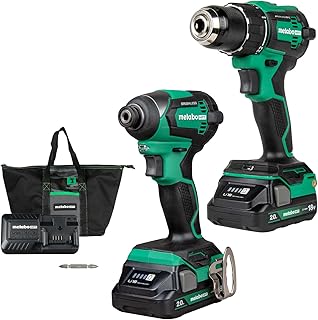

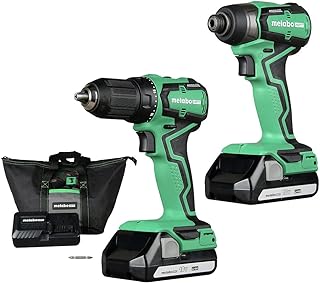


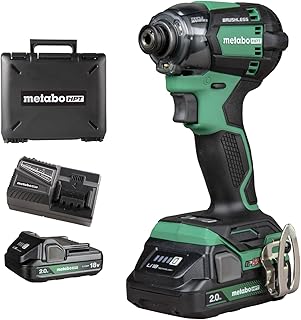


A Metabo HPT cordless hammer drill is built for users who want the flexibility of cordless drilling while retaining the added impact action needed for masonry-related applications. Unlike a conventional drill, a hammer drill combines rotational movement with rapid hammering action. This makes it particularly useful when drilling holes in materials such as brick, concrete block and other masonry surfaces, while still providing the standard drilling and driving functions needed for everyday construction and renovation work.
Metabo HPT cordless hammer drills are designed around the practical needs of professional trades and demanding users. Cordless operation makes it easier to work where electrical outlets are inconvenient, whether you are installing fixtures, completing renovations, framing, performing maintenance or working on a construction site. The absence of a power cord also improves mobility around ladders, work platforms and unfinished buildings.
Many models use brushless motor technology, which can provide an efficient combination of power, runtime and durability. Depending on the model, features may include multiple clutch settings, variable-speed triggers, high and low gears, LED work lights, metal keyless chucks and electronic protection technologies. These features allow users to match the drill's operation more closely to the material and task.
Voltage is an important consideration when comparing cordless hammer drills. An 18V model can be an excellent choice when portability, compact dimensions and reduced fatigue are priorities. These drills are suitable for many general drilling, fastening and lighter masonry applications, particularly when working overhead or in confined areas.
Higher-voltage Metabo HPT options can provide greater power for demanding applications. MultiVolt technology also gives selected tools additional flexibility by allowing compatible batteries to be used across the appropriate Metabo HPT platform. Before purchasing, check the individual product specifications to confirm battery compatibility, voltage, included accessories and whether the product is sold as a tool-only model or as a complete kit.
A brushless cordless hammer drill can be a practical choice for users who regularly put their tools through demanding workloads. Brushless motors eliminate conventional motor brushes, helping reduce mechanical wear and allowing the motor to operate efficiently. The result can be useful for professionals who need dependable performance across repeated drilling and fastening tasks.
When comparing brushless models, do not focus on motor technology alone. Maximum torque, no-load speed, impact rate, chuck size, weight and battery capacity all affect how a hammer drill performs in real working conditions. A high-torque model may be preferable for demanding applications, while a lighter compact drill can be more convenient for installation work and extended use.
Torque indicates the rotational force available from the drill, while speed describes how quickly the chuck rotates. Variable-speed operation and multiple gears help users select a suitable operating range for different materials and fasteners. Look at the manufacturer's specifications rather than comparing torque figures alone.
Hammer action is particularly useful when drilling into masonry. The impact rate, measured in beats per minute, provides an indication of how rapidly the hammer mechanism operates. Always select the appropriate bit for the material and follow the manufacturer's recommended application limits.
Chuck size affects the range of drill bits and accessories the tool can accept. A 1/2-inch chuck is common on many full-size professional hammer drills and can provide flexibility for a broad selection of bits. Compact models may use different capacities, so check the specification before purchasing accessories.
Canadian shoppers should pay close attention to whether a drill is sold tool-only or as a kit. Tool-only products can make sense when you already own compatible batteries and a charger. A complete kit may be more convenient for someone entering a battery platform because it can include batteries, charger and carrying accessories. Comparing the total package rather than the tool price alone can make it easier to determine the better value.
These drills can be used for a wide variety of construction, maintenance and renovation tasks. Typical applications include drilling in wood and metal, driving screws and fasteners, installing hardware, assembling structures and drilling suitable masonry materials. The right model depends on the material, hole size, frequency of use and required portability.
For heavier masonry work, users should distinguish between a hammer drill and a rotary hammer. A cordless hammer drill is a versatile general-purpose tool with an impact-drilling function, whereas a rotary hammer is designed specifically for more demanding concrete and masonry drilling and chiselling applications. Selecting the correct tool helps improve efficiency and prevents using a drill outside its intended operating range.
When shopping for a Metabo HPT cordless hammer drill in Canada, compare the specifications that matter most to your application. Consider voltage, maximum torque, speed, impact rate, chuck capacity, weight, battery compatibility, included accessories and warranty coverage. If you already use other compatible cordless tools, staying within the same battery platform can also simplify charging and battery management.
Whether you are a contractor looking for a dependable jobsite drill or a homeowner tackling renovation projects, choosing a model based on the work rather than headline specifications can lead to a better long-term purchase. Review each product's detailed specifications and included equipment before ordering to make sure the selected Metabo HPT cordless hammer drill meets your requirements.