
♥ Wishlist


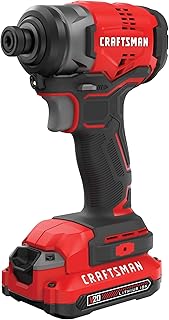


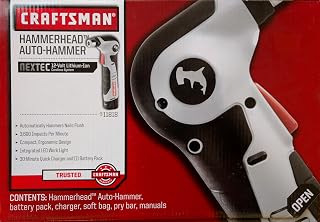

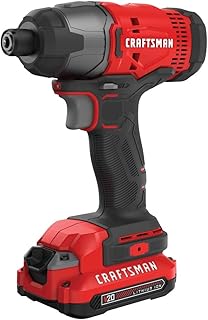

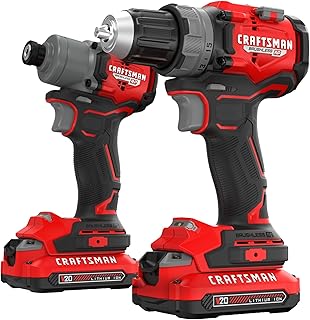

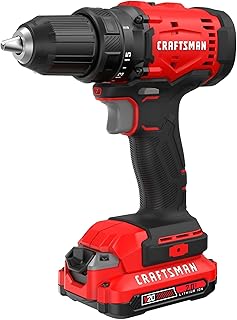


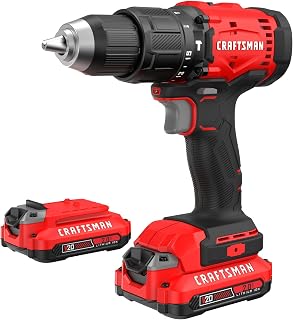

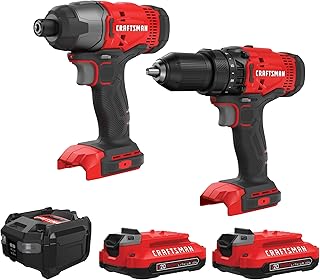


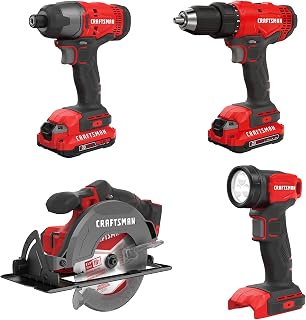
A Craftsman cordless hammer drill combines the flexibility of a cordless drill with a hammer-drilling function designed to help work through masonry and other harder materials. For Canadian homeowners, renovators, tradespeople and DIY users, this type of drill can be a practical choice when one compact tool needs to handle several common drilling and fastening jobs.
Unlike a standard cordless drill, a hammer drill adds a forward hammering action while the bit rotates. This makes it more suitable for applications such as drilling into brick, block and some concrete, particularly when used with the appropriate masonry bit. The hammer function can normally be switched off, allowing the tool to be used for conventional drilling and fastening tasks as well. This versatility is one of the main reasons to consider a hammer drill instead of buying separate tools for every application.
Cordless operation gives you the freedom to work without a power cord running to an outlet. That can be especially useful for renovations, garages, workshops, outdoor projects and construction areas where access to mains power is limited. A cordless design also makes it easier to move around a workpiece or ladder without managing an extension cord.
When comparing Craftsman cordless hammer drills, look beyond headline power figures. Consider the combination of voltage, torque, speed settings, hammer action, chuck design, battery compatibility and ergonomics. A drill with adjustable settings can give you greater control when moving between delicate fastening jobs and more demanding drilling applications.
Power and torque: Higher torque can be useful when driving larger fasteners or drilling demanding materials, while adjustable torque settings help prevent overdriving screws. Think about the materials and bit sizes you expect to use rather than choosing solely on the largest number.
Two-speed operation: Multiple mechanical speed ranges can make a cordless hammer drill more adaptable. Lower speeds generally provide better control and torque for demanding work, while higher speeds can be useful for faster drilling in suitable materials.
Hammer function: If masonry drilling is an important part of your work, check how the hammer mode is controlled and whether the tool is intended for the applications you have in mind. A hammer drill is different from an SDS rotary hammer, so particularly heavy concrete work may require a dedicated rotary hammer instead.
Chuck size: Chuck capacity affects the range of accessories the drill can accept. A common keyless chuck can make bit changes quick and convenient, but always check the specifications of the individual model before purchasing accessories.
Battery platform: If you already own compatible Craftsman cordless tools, battery compatibility can be an important consideration. A bare-tool purchase may be attractive when you already have suitable batteries and a charger, while a kit can make more sense when starting a cordless tool collection.
Comfort and control: A balanced design, comfortable grip, integrated lighting and an easy-to-reach control layout can make a noticeable difference during longer jobs. Weight is also worth considering if you regularly work overhead or in confined spaces.
A cordless hammer drill can cover a broad range of household and workshop tasks. Use the conventional drilling mode for suitable wood, metal and other compatible materials, select the fastening settings when driving screws, and engage hammer mode when drilling appropriate masonry with a suitable bit. The exact capabilities vary by model, so always follow the manufacturer's specifications and operating instructions.
For home improvement projects, this flexibility can reduce the number of tools you need to carry between jobs. It can be useful for installing fixtures, assembling projects, drilling pilot holes, mounting suitable hardware and completing general maintenance. For professional users, the right model can provide a convenient cordless option for routine drilling and fastening work.
Start by identifying your typical workload. Occasional DIY users may prioritise an affordable, compact drill that is easy to handle. Frequent users may benefit from greater torque, longer runtime, improved ergonomics and a battery system that can support several cordless tools.
Also consider what comes with the drill. Depending on the model, a purchase may include batteries, a charger, a case or additional accessories, or it may be supplied as a bare tool. Comparing the complete package can provide a clearer picture of overall value.
If your projects involve substantial concrete drilling, remember that hammer drills and rotary hammers serve different purposes. A hammer drill is generally aimed at versatile drilling and fastening with occasional masonry work, whereas an SDS rotary hammer is designed for more specialised heavy-duty masonry and concrete applications.
Before choosing your Craftsman cordless hammer drill, compare the available models for the specifications that matter most to you. Check battery requirements, included accessories, chuck capacity, operating modes and intended applications. Choosing according to your actual projects rather than simply selecting the most powerful-looking option can help you get a more useful and comfortable cordless drill for everyday work in Canada.
Find a Craftsman cordless hammer drill for versatile drilling, fastening and light masonry applications. Compare cordless models by power, chuck size, battery platform, speed, hammer action and overall design to choose a drill that suits your projects in Canada.