

♥ Wishlist

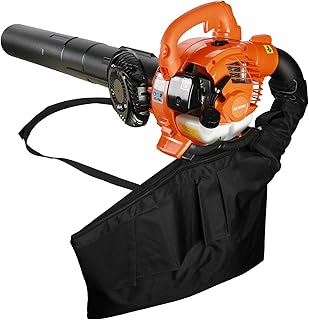


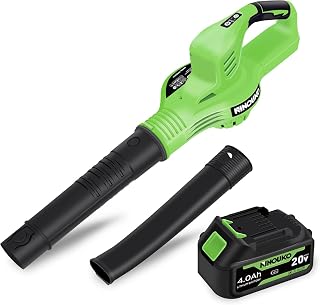




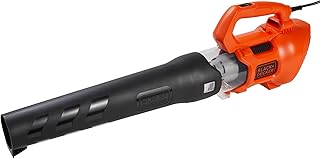
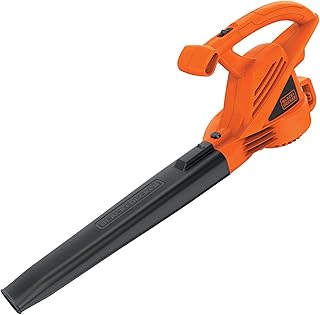


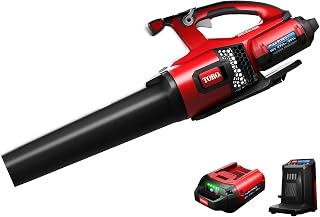


A Toro leaf blower can make routine outdoor cleanup faster and more convenient, particularly when autumn leaves, grass clippings, pine needles and loose debris collect around lawns, patios, driveways and walkways. For Canadian homeowners, the right model depends on more than maximum blowing power. Yard size, debris type, operating time, storage requirements and the preferred power source should all influence the decision.
Toro leaf blowers are available in different configurations and can suit a range of residential cleanup tasks. When comparing options, look beyond headline specifications and consider how the complete blower will feel and perform during an actual cleanup. Airflow, air velocity, battery capacity, weight, nozzle design and speed control can all affect usability.
Start by considering the size and type of area you need to maintain. A compact urban yard or small driveway may not require the highest-output blower. A larger property with mature trees can produce substantial quantities of leaves and may benefit from greater airflow, longer runtime or an additional battery.
Two common leaf-blower specifications are CFM and MPH. CFM, or cubic feet per minute, indicates the volume of air the blower moves. Higher airflow can be useful when clearing larger quantities of leaves and debris. MPH describes air velocity at the outlet and can help indicate how forcefully the air stream is delivered.
Neither measurement should be considered by itself. A practical blower needs an effective combination of airflow and air velocity, along with a nozzle and motor system suited to the intended job. For wet leaves, compacted debris and heavier material, sustained airflow can be especially useful.
A cordless Toro leaf blower can provide useful freedom of movement around gardens, fences, driveways and walkways without the need to manage an extension cord. This convenience can be particularly valuable when cleaning several areas of a property during autumn.
The main consideration with cordless equipment is battery runtime. Higher power settings generally use more energy, so homeowners with larger properties should compare battery capacity, charging time and the availability of compatible replacement batteries. If you already own compatible outdoor equipment, a shared battery platform can also make future purchases more convenient.
The weight of the complete operating setup matters. With cordless models, remember that the advertised bare-tool weight may not include the battery. A comfortable handle, balanced design and sensible trigger placement can make a noticeable difference during longer cleanup sessions.
Variable-speed control can also improve handling. Lower settings can help when working around flower beds, gravel or decorative landscaping, while stronger settings can be reserved for heavier piles of leaves. This gives you more control instead of relying on maximum output for every task.
Canadian properties can experience a wide range of seasonal debris. Dry leaves are usually straightforward to move, while wet autumn leaves can become dense and difficult to shift. Pine needles may settle into grass or gaps around landscaping, and grass clippings can scatter if excessive airflow is used.
Power source is another important buying decision. A corded electric blower can provide continuous operation when a suitable outdoor outlet is available. This can be practical for smaller areas close to a building, although the cord can restrict movement and requires careful handling.
A cordless blower provides greater mobility and quick setup, but the available working time depends on the battery and operating conditions. For many homeowners, cordless equipment is attractive because it avoids extension-cord management and makes it easier to move between different parts of the property.
Before purchasing a Toro leaf blower, verify the exact model and package configuration. Product listings can differ in whether a battery, charger, tube or additional nozzle is included. A tool-only package may have a lower initial price but can cost more overall if you need to buy compatible batteries and a charger separately.
Also compare warranty terms for the exact model, expected runtime, total operating weight, speed controls, included accessories and battery compatibility. Customer reviews can provide useful real-world information, especially when multiple buyers mention the same characteristics such as battery life, comfort, power consistency or ease of use.
Follow the manufacturer's instructions for the exact model you purchase. Before each use, inspect the blower, check the tube and nozzle for blockages, and keep intake areas clear of accumulated debris. Corded models should have their power cords inspected for damage, while cordless batteries should be stored and charged according to the manufacturer's recommendations.
For seasonal storage, keep the equipment clean and dry and inspect it again before the next major cleanup period. Canadian weather can make seasonal storage especially important, so avoid exposing batteries and electrical components to conditions outside the manufacturer's recommended storage range.
The best Toro leaf blower is the one that matches your property, debris and working habits rather than simply having the highest advertised specification. Compare airflow, air velocity, runtime, weight, controls, power source and package contents together. For larger Canadian yards, battery capacity and ergonomics can be just as important as maximum blowing force. For smaller properties, a lightweight and easy-to-store model may be the more practical choice.
Use these factors to narrow your options and choose a Toro leaf blower that provides the right balance of performance, control and convenience for your seasonal yard-maintenance routine.
Find the right Toro leaf blower for seasonal yard cleanup, patios, driveways, walkways and garden areas in Canada. Compare important features such as airflow, air speed, battery runtime, weight, controls and power source before choosing a model.