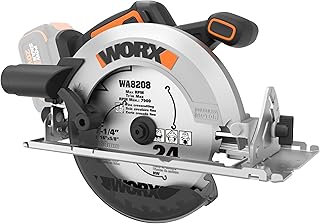

Explore cordless power tools, kits, batteries, chargers, accessories and related equipment available to Canadian shoppers. Compare product options and follow useful buying guides before you buy.


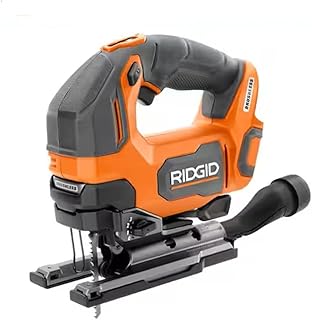


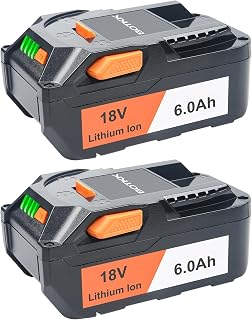


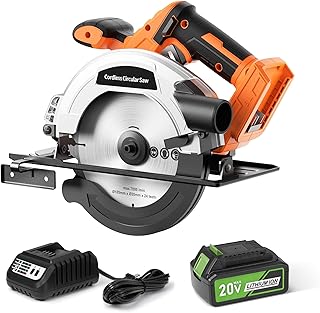
Choosing the right RIDGID cordless circular saw involves more than comparing blade size or advertised power. The best option depends on the type of material you cut, the thickness of your workpieces, how often you use the saw, and whether you already own compatible batteries and chargers. Canadian buyers should also consider job-site conditions, cold-weather storage, replacement blades, warranty terms, and the availability of compatible accessories.
RIDGID cordless circular saws are designed around the convenience of battery-powered cutting without requiring a power cord at every workstation. That makes them useful for construction, renovation, framing, woodworking, decking, shelving, flooring projects, and general home improvement. However, different configurations can behave very differently in practical use. A compact saw may be preferable for repetitive sheet-material cuts, while a larger model may be more appropriate for deeper framing cuts.
This guide focuses on the buying criteria that matter when comparing RIDGID cordless circular saws in Canada in 2026. Before purchasing, compare the exact model number, included equipment, battery compatibility, blade specifications, cutting capacity, ergonomics, and current retailer information rather than relying only on the product name.
A cordless circular saw can simplify work in locations where extension cords are inconvenient or unavailable. Removing the cord also gives the user greater freedom when cutting large panels, framing materials, decking boards, and construction lumber.
RIDGID is one of the established names in power tools, and its cordless range can be particularly attractive to users who want to build around a compatible battery platform. Still, brand familiarity should not replace model-by-model comparison. Motor design, blade diameter, bevel range, shoe construction, visibility, weight, balance, and battery requirements can vary between saws.
Blade diameter is one of the first specifications to examine because it directly affects potential cutting depth. A larger blade generally provides greater maximum cutting capacity, while a smaller saw can be easier to control and carry.
Do not assume that a larger blade is automatically better. If most of your work involves plywood, trim-related preparation, shelving, or lighter construction tasks, a compact configuration may be easier to handle. For framing and thicker dimensional lumber, greater cutting capacity can become more important.
Look for cutting-depth specifications at commonly used angles rather than considering only the maximum figure. A circular saw may provide one cutting depth at 90 degrees and a lower capacity when the shoe is adjusted for a bevel cut.
Compare the manufacturer's stated capacity with the materials you actually expect to cut. If you regularly work with dimensional lumber, determine whether the saw can complete the required cut in a single pass or whether the job will require repositioning or another cutting method.
Bevel adjustment allows the blade to cut at an angle rather than straight through the material. This is useful for framing, roofing-related work, cabinetry, furniture construction, and angled joints.
When comparing models, examine both the maximum bevel angle and the design of the bevel adjustment mechanism. A clearly marked scale and secure locking mechanism can make repeated angled cuts easier to set up.
Motor performance should be evaluated as part of the complete saw rather than by one specification alone. Cutting speed depends on the motor, battery condition, blade design, material, cutting technique, and load placed on the tool.
For demanding applications, consider how the saw is intended to respond when the blade enters dense material. A suitable combination of motor performance, battery capacity, sharp blade, and controlled feed rate is generally more useful than focusing on a single advertised power figure.
Battery compatibility can be one of the most important considerations for cordless power-tool buyers. If you already use compatible RIDGID batteries, a bare-tool saw may be a logical choice. If you are entering the platform for the first time, compare the total cost of the saw, battery, and charger.
Do not assume that every RIDGID cordless tool uses every battery in exactly the same way. Check the specific model information before purchasing. Also verify whether a listing includes batteries and a charger or contains the tool only.
Battery capacity influences how long the saw can operate between charges, although actual runtime depends heavily on the application. Repeated deep cuts through dense material can consume substantially more energy than occasional cuts through thinner sheet goods.
For extended work, having more than one compatible battery can be more useful than relying on a single large battery. This allows one battery to be charging while another is being used, provided the battery and charger combination is compatible.
Motor technology is another useful comparison point. Brushless motors eliminate conventional motor brushes and can provide advantages in efficiency, durability, and electronic control. Brushed motors use physical brushes that wear over time.
A brushless saw can be attractive for frequent users who expect demanding workloads. For occasional home improvement, however, the overall design and suitability of the saw may matter more than motor terminology alone.
Blade position can affect visibility and ergonomics. Depending on the user's dominant hand and preferred cutting position, one configuration may make it easier to see the cutting line.
Neither arrangement is universally superior. The best configuration depends on how you hold the tool, where the motor sits relative to your body, how the saw balances, and which side of the workpiece you normally view.
When comparing RIDGID models, examine product photographs and specifications carefully so you understand the blade orientation before buying. If possible, consider how the saw will feel when making long cuts rather than judging the configuration by appearance alone.
A circular saw is a hand-operated cutting tool, so weight and balance directly affect user fatigue. A powerful saw can become uncomfortable if it feels front-heavy or awkward during long cuts.
Pay attention to the position of the main handle, auxiliary handle, battery, motor housing, and shoe. A well-balanced tool can feel easier to control even when two saws have similar specifications.
Accurate cutting starts with being able to follow the intended cutting path. A well-designed shoe, sight line, blade guard, and illumination system can help the operator maintain control.
Some cordless circular saws include LED lighting intended to improve visibility in dim working areas. This can be useful during renovations, garages, basements, workshops, and job sites with inconsistent lighting.
Lighting should be treated as a convenience rather than a substitute for proper work lighting. Always establish a clear cutting line and ensure the material is securely supported before starting the saw.
Circular saws are high-speed cutting tools, so safety-related design features deserve careful attention. A suitable saw should have a properly functioning blade guard and controls that allow the operator to maintain secure control throughout the cut.
Always read the manufacturer's instructions before operating a circular saw. Use appropriate eye and hearing protection, keep hands away from the blade path, secure the workpiece, and follow the recommended operating procedures.
The saw is only part of the cutting system. Blade selection has a major influence on cut quality, speed, finish, and material compatibility.
For general construction work, a multipurpose framing or construction blade can provide versatility. For cleaner cuts in plywood or finished wood, a blade with a higher tooth count may be more appropriate. Specialty materials require blades specifically designed for those applications.
A dull blade can increase resistance and make cutting more difficult. Excessive force is not a substitute for a properly selected and maintained blade.
RIDGID cordless circular saws are primarily associated with wood-cutting applications, but the exact materials a particular saw can handle depend on the blade, model instructions, and application.
Framing lumber is a common application for circular saws. When working with thicker boards, compare the saw's cutting depth at 90 degrees with the actual thickness of the material.
Cordless circular saws are useful for breaking down plywood and other sheet materials. A suitable blade and stable support system can help reduce splintering and improve control.
Deck construction often requires repeated straight cuts. Battery operation can be convenient when working outdoors, particularly when access to mains electricity is limited.
A circular saw can handle many rough and intermediate woodworking cuts, but precision work may require additional tools such as a track saw, table saw, miter saw, or jigsaw depending on the required cut.
A circular saw is versatile, but it is not the ideal solution for every cutting task. Choosing the correct tool can improve both efficiency and accuracy.
RIDGID is not the only established brand in the cordless circular saw market. Comparing competing platforms can help determine whether a particular RIDGID model fits your needs.
Brand comparison should focus on the complete ecosystem rather than one tool. Battery availability, charger compatibility, accessory selection, replacement blades, ergonomics, tool weight, and the type of work you perform can all influence the better long-term choice.
Canadian users should think about cordless tools as part of a battery ecosystem. If you already own compatible batteries, staying within the same platform can reduce the need to purchase additional charging equipment.
However, platform loyalty should not override tool suitability. If a competing saw offers specifications and ergonomics that better match your work, compare the complete cost and capabilities before making a decision.
Cold conditions also deserve consideration. Lithium-ion batteries can behave differently in very cold environments. Follow the battery manufacturer's storage, charging, and operating guidance, and avoid charging batteries outside their specified temperature range.
Online product listings can contain several configurations of what appears to be the same tool. Always inspect the exact listing details before purchasing.
A larger saw is not automatically the best choice. Additional size and weight may be unnecessary for light-duty applications.
A bare tool can look inexpensive compared with a complete kit. Make sure you calculate the total cost if you need a compatible battery and charger.
Battery voltage alone does not tell you everything about cutting performance. Motor design, electronics, blade condition, battery capacity, and tool design all contribute to real-world performance.
A saw is more useful when suitable replacement blades are easy to source. Check blade diameter, arbor requirements, and intended applications before buying.
A saw that looks impressive on paper may still be uncomfortable during prolonged use. Consider balance, grip design, weight with the battery installed, and visibility.
Two listings can appear almost identical while including different batteries, chargers, blades, or accessories. Compare the contents line by line.
Start by identifying your primary application. If you mostly cut plywood and thinner boards, prioritize control, visibility, manageable weight, and suitable blade compatibility. If you regularly work on framing, concentrate on cutting depth, motor performance, battery capacity, durability, and ergonomics.
For professional users, the best model is usually the one that fits the daily workflow rather than simply having the highest specification. For DIY users, convenience and total ownership cost can be more important than maximum performance.
Prioritize cutting depth, battery capacity, motor performance, durability, and comfortable handling. A saw used throughout a workday should be easy to control and practical for repetitive cuts.
Look for a balanced model with good visibility, convenient bevel adjustment, and enough cutting capacity for common renovation materials.
A lighter and more affordable configuration may be sufficient. Avoid paying for specifications that you are unlikely to use.
Focus on the complete system: tool durability, battery availability, charging options, blade compatibility, ergonomics, service information, and the manufacturer's published specifications.
Regular maintenance can help keep a cordless circular saw operating properly. Before maintenance, remove the battery and follow the manufacturer's instructions.
Even a high-quality circular saw can produce poor results if the material is unsupported or the blade is unsuitable. Start by marking the cut accurately and supporting the workpiece so the kerf does not close around the blade.
Allow the blade to reach operating speed before entering the material. Maintain a steady feed rate and avoid forcing the saw. Excessive pressure can reduce control and increase the strain on the tool.
For finished surfaces, use an appropriate blade and consider which side of the material should face upward according to the blade's cutting characteristics and the desired finish.
If you are choosing between two RIDGID cordless circular saws, create a simple comparison based on the specifications that actually affect your work.
This approach is more useful than comparing marketing claims alone because it connects the tool's specifications with the actual requirements of the project.
The cheapest circular saw is not always the least expensive option over its useful life. A low initial price can become less attractive if the tool requires an additional battery, uses a battery platform you do not already own, or lacks features that would make your regular work easier.
Conversely, the most expensive model is not automatically the best value. If your projects are occasional and relatively light, a premium professional configuration may provide capabilities that you rarely use.
Compare the complete ownership package rather than the tool's headline price. Include the saw, batteries, charger, blades, accessories, and any equipment you may need to complete your intended work.
For Canadian buyers in 2026, the best RIDGID cordless circular saw should be selected according to application rather than popularity alone. Start with the required cutting capacity, then compare battery compatibility, motor design, ergonomics, bevel adjustment, blade compatibility, and included equipment.
It is also sensible to verify current specifications because manufacturers can update product configurations, kit contents, and regional listings. When comparing recommendations, always use the exact model number as the reference point.
Customer reviews can provide useful information about recurring usability concerns, but they should be considered alongside official specifications and your own requirements. A product that receives positive feedback for heavy construction work may be unnecessarily large for occasional DIY use, while a compact model may not provide enough capacity for demanding framing applications.
The best model depends on the intended application, required cutting depth, battery platform, workload, and budget. There is no single saw that is ideal for every Canadian buyer.
Some RIDGID cordless circular saw configurations are designed for demanding applications. Professional buyers should compare the exact model's published specifications, battery requirements, ergonomics, and intended use before selecting one for regular job-site work.
A bare tool can make sense if you already own compatible batteries and a charger. A kit may be more practical for new users who need the complete cordless setup.
Brushless motors can offer advantages in efficiency, durability, and motor design. However, the best purchase still depends on the complete saw and your workload rather than the motor type alone.
Choose a blade size supported by the exact saw and match the cutting capacity to your materials. Larger blades can provide greater depth, while smaller configurations can be easier to handle for lighter work.
For many applications, a modern cordless saw can provide the convenience and mobility needed for construction and DIY work. The better choice depends on cutting demands, battery availability, runtime requirements, and access to charging.
Battery capacity matters more when the saw is used for frequent or demanding cuts. Actual runtime varies according to material, blade condition, cutting depth, feed rate, and other factors.
If you frequently use the saw for extended periods, additional compatible batteries can reduce downtime. Occasional users may not need more than one battery.
Check the exact model number, kit contents, battery and charger inclusion, blade specifications, cutting capacity, warranty information, and current retailer terms. Product listings can differ even when the tool names appear similar.
They can be suitable for plywood when the saw and blade are appropriate for the application. Blade selection, material support, and cutting technique have a significant effect on the finished cut.
There is no universal replacement interval. Replace a blade when it becomes unsuitable for the intended application, becomes excessively dull, or shows damage. Follow the blade manufacturer's guidance.
The best RIDGID cordless circular saw in Canada is the one that matches your materials, cutting depth, workload, battery ecosystem, and preferred handling characteristics. Do not choose solely by brand, price, blade size, or a single advertised specification.
Before making a purchase, compare exact model numbers and verify current specifications. Check whether the product is sold as a bare tool or complete kit, determine whether you already have compatible batteries, and select blades appropriate for the materials you intend to cut.
For occasional DIY work, prioritize manageable weight, convenience, and value. For renovation and construction, place greater emphasis on cutting capacity, battery runtime, durability, ergonomics, and blade compatibility. For professional users, consider the complete cordless ecosystem and long-term workflow.
Taking these factors into account makes it easier to narrow the available choices and select a RIDGID cordless circular saw that is genuinely appropriate for your projects in Canada in 2026.