

♥ Wishlist


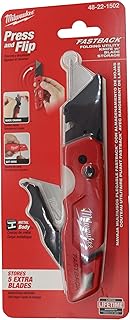


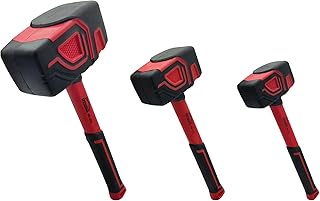


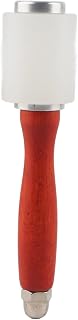
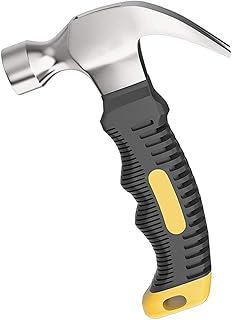


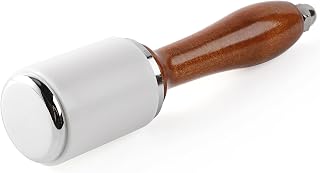


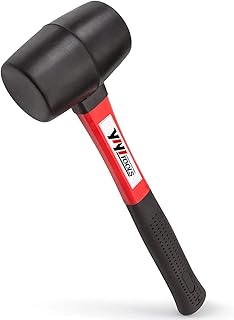
Milwaukee mallets are useful striking tools for jobs where controlled impact is important. Unlike a conventional steel hammer, a mallet is generally selected when you need to apply force while helping minimise marks, dents or other unwanted damage to the surface being worked on. That makes the right mallet valuable for tradespeople, installers, renovators, maintenance professionals and serious DIY users across Canada.
When choosing a mallet, start by considering the type of work you expect to perform. Different applications call for different levels of striking force, head materials, face characteristics and overall tool size. A mallet used for positioning components may have different requirements from one used for assembly, construction or repeated workshop tasks. Selecting the correct tool for the job can improve control and make repetitive work more comfortable.
A good mallet should provide dependable impact while giving you enough control to work accurately. For installation and assembly applications, a suitable striking face can help transfer force without unnecessarily damaging the component. For construction and renovation tasks, durability and comfortable handling become particularly important when the tool is used repeatedly throughout the day.
Consider the materials you will be striking before selecting a mallet. Softer or non-marring applications may require a different face characteristic from tougher positioning or construction work. The size and weight of the tool also affect how it feels during use. A heavier mallet can deliver more impact, while a lighter option may be easier to control during precision work or extended tasks.
Canadian job sites can involve a wide range of working conditions, from indoor renovation projects to outdoor construction and maintenance work. A dependable hand tool needs to be practical for the environment in which it will be used. When comparing Milwaukee mallets, consider the expected workload, the materials involved and whether the tool will primarily stay in a workshop or travel between job sites.
For professional users, ergonomics can be just as important as impact performance. Repeated striking places demands on your hands and wrists, so a handle that feels secure and comfortable can make a noticeable difference over a long workday. Look for a design that provides a confident grip and allows you to maintain control through repeated swings.
The striking surface is one of the most important factors to consider. Think about whether you need a face intended for more controlled, surface-conscious impacts or a configuration suited to tougher general-purpose applications. Matching the face to the material being worked on can help prevent unnecessary damage.
Mallet weight affects both striking force and handling. If you regularly perform heavier positioning or assembly work, additional mass may be useful. For detailed work or frequent overhead and repetitive use, a more manageable size may provide better control and less fatigue.
A secure grip is essential for accurate striking. Consider how the handle feels in your hand, particularly if the mallet will be used for extended periods. A comfortable, controlled grip can help you maintain consistent contact and reduce unnecessary movement.
Finding the right Milwaukee mallet comes down to matching the tool with the work. Consider the surfaces you will strike, the force required, how frequently the mallet will be used and how important precision is for the application. Professional tradespeople may prioritise durability and long-term handling, while occasional users may focus on versatility and ease of use.
Whether you are assembling components, positioning materials, carrying out renovation work or handling general workshop tasks, the right mallet can provide a useful balance of force and control. Browse the Milwaukee Mallets category to compare suitable options for your Canadian workshop or job site. Choose based on your application rather than simply selecting the heaviest or most powerful tool, and you can build a hand-tool setup that is better suited to the work you actually perform.
Find Milwaukee mallets designed for controlled striking, positioning, assembly and other demanding jobs. Whether you work in construction, renovation, installation, maintenance or a hands-on trade, choosing the right mallet can help you complete tasks with greater control while reducing the risk of damaging the workpiece. Explore Milwaukee mallets for Canadian job sites and workshops, and choose an option suited to the materials, applications and level of use you encounter.