

♥ Wishlist


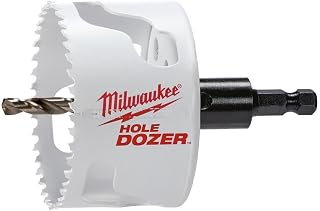




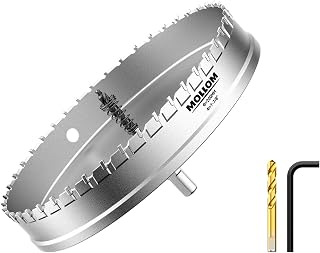




When you need to create accurate round openings quickly, a dependable Milwaukee hole saw can make a major difference. Hole saws are commonly used with drills and compatible arbors to cut openings for electrical boxes, plumbing pipes, ventilation components, hardware, recessed fixtures and other installations. Milwaukee offers hole saw solutions in a range of sizes and designs, giving Canadian tradespeople and DIY users options for different materials, cutting requirements and levels of use.
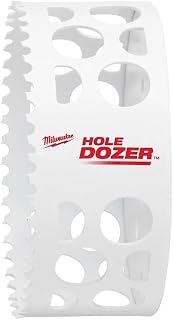
The right hole saw depends largely on what you are cutting. Bi-metal hole saws are a versatile choice for many general-purpose applications and can be useful when working across wood, metal and other materials. For demanding applications, specialised designs may provide features intended to improve cutting speed, durability, chip removal or heat management. Before choosing a model, consider the material, required hole diameter, cutting depth and the drill or driver you plan to use.
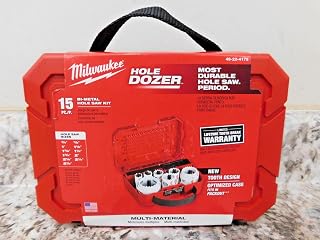
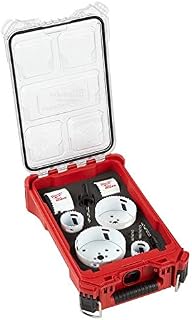
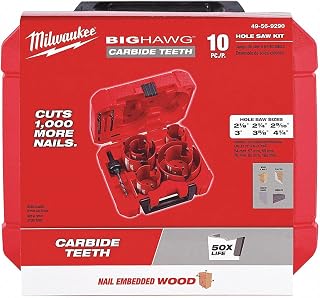
Milwaukee hole saws are available in different diameters so you can match the cutting tool to the opening required for the job. Smaller sizes can be useful for cable routing, fasteners and compact installations, while larger diameters are often selected for plumbing, electrical and ventilation work. If you regularly work with several hole sizes, a Milwaukee hole saw kit can be a practical option because it brings multiple commonly used sizes and compatible components together.
For Canadian contractors and tradespeople, versatility can be particularly valuable when moving between renovation, maintenance and installation projects. A well-selected set allows you to keep frequently needed sizes available without purchasing every diameter separately. If you only need one specific opening size, purchasing an individual hole saw may be the more economical choice.
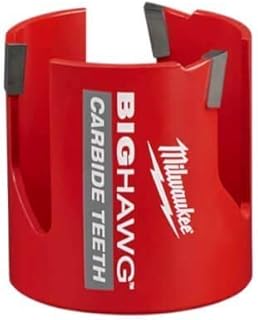
Material compatibility is one of the most important considerations when selecting a hole saw. A hole saw intended for general cutting may be suitable for a broad range of jobs, but specialised applications can require a particular tooth design or construction. Always check the manufacturer's specifications before cutting unfamiliar or particularly hard materials.
For wood and wood-based sheet materials, selecting an appropriate diameter and tooth configuration can help produce a cleaner opening. When cutting metal, factors such as material thickness, cutting speed, lubrication and heat buildup become more important. Electricians may use hole saws for conduit and cable-related installations, while plumbers can require larger openings for pipework. Renovators may also use them when installing fixtures, handles and other components.
A complete hole saw kit can be useful for users who regularly need multiple diameters. Kits can reduce the time spent sourcing individual components and make it easier to keep a selection of sizes organised. Depending on the kit, components may include hole saws, arbors and pilot bits, so check the included contents and compatibility before ordering.
If your work involves a narrow range of hole diameters, individual Milwaukee hole saws can offer a straightforward way to replace a worn cutting accessory or add a less frequently used size to an existing collection. Comparing the diameter range, construction, intended materials and compatibility will help you choose a suitable option for your toolbox.
Start with the required hole diameter. The diameter should correspond to the opening specified for the installation rather than simply the size that looks closest. Next, identify the material being cut and select a hole saw designed for that application. Also consider how often you use the tool. Occasional DIY work may call for a basic individual saw, while professional users performing repeated cuts may benefit from a more durable design or a broader kit.
Arbor compatibility is another important point. A hole saw and arbor need to work together correctly, and the arbor must also be compatible with your drill or other power tool. Check the product specifications for the required connection and pilot-bit arrangement. Using the correct setup helps support stable cutting and reduces the risk of choosing components that cannot be assembled properly.
When shopping for a Milwaukee hole saw in Canada, compare the available diameters, materials, tooth designs, kit configurations and intended applications before making your choice. Think about the projects you handle most often and prioritise the sizes you are most likely to use. For professional users, having the appropriate hole saw available can help minimise interruptions during installations and maintenance work.
Whether you need one replacement hole saw or a multi-size kit for a busy workshop, selecting the right specification is more important than choosing based on size alone. Review compatibility and application details carefully, then choose the Milwaukee hole saw that best matches your material, opening size and cutting requirements.
Find the right Milwaukee hole saw for clean, consistent cutting across wood, metal, plastic, drywall and other common materials. Whether you are a professional contractor, electrician, plumber, renovator or DIY user in Canada, Milwaukee hole saws are designed to make repetitive hole cutting more efficient and controlled. Choose individual hole saws or convenient kits based on the diameters and applications you work with most often.