

♥ Wishlist




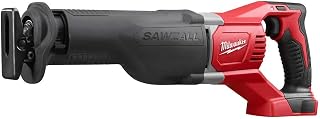

Milwaukee cordless reciprocating saws are designed for cutting applications where speed, portability and access matter. Whether you are dismantling framing, cutting pipe, trimming materials during renovation or working in a confined space, a cordless reciprocating saw can provide the flexibility needed without the restriction of a power cord. Milwaukee's cordless platforms include compact options for controlled cutting as well as more powerful models suited to demanding construction and demolition work.
For Canadian shoppers, choosing the right saw starts with understanding how you intend to use it. A homeowner tackling occasional renovation projects may value low weight and easy handling, while a contractor working every day may place greater importance on cutting performance, battery capacity, durability and vibration management. The best Milwaukee reciprocating saw is therefore the one that matches your workload rather than simply the model with the highest headline specification.
Battery platform is one of the most important factors when comparing Milwaukee cordless reciprocating saws. M12 models are generally attractive when compact dimensions, lighter handling and access in tight spaces are priorities. They can be useful for electricians, plumbers, maintenance workers and DIY users who frequently need to position a saw around pipes, studs, cabinets or other obstacles.
M18 reciprocating saws are generally better suited to heavier workloads where greater cutting capability and longer working sessions are important. Renovation, framing, demolition, roofing and repeated cutting of substantial materials can benefit from the additional capability of an M18 platform. If you already own compatible Milwaukee batteries and chargers, staying within the same platform can also simplify your cordless tool setup.
Stroke length and strokes per minute both influence cutting behaviour. A longer stroke can help remove material efficiently during aggressive cutting, while a shorter stroke can provide useful control in compact applications. Variable-speed control is valuable when moving between materials because wood, metal, plastic and pipe can require different cutting approaches.
Brushless motor technology can be an important consideration for users who expect frequent or demanding operation. Efficiency, electronic control and durability can all matter during repeated cutting. However, motor technology should be considered alongside ergonomics, battery compatibility, cutting performance and the intended application rather than evaluated on its own.
Reciprocating saws produce substantial movement during operation, making balance, grip comfort and vibration management important. Compact designs can be easier to manoeuvre between structural components, while larger saws may be more appropriate for heavy demolition. Consider the physical locations where you will make most of your cuts before choosing between compact and full-size designs.
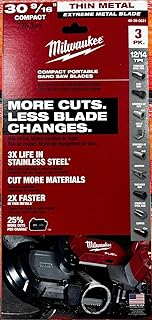
The blade is just as important as the saw itself. Wood-cutting blades can be selected for fast construction cuts or cleaner results, while metal-cutting blades generally use tooth configurations suited to metal and pipe. Bi-metal blades can provide a versatile option when you regularly switch materials, and demolition blades are designed for aggressive work involving demanding mixed materials.
Canadian buyers should also check blade length, tooth configuration, thickness and intended material before starting a project. A suitable blade can improve cutting efficiency and reduce the temptation to force the tool through the workpiece.
These saws can be useful across a wide range of jobs. Construction and renovation professionals may use them for framing changes, dismantling materials and general demolition. Plumbers can benefit from compact designs when cutting pipe in restricted areas, while electricians may appreciate a manageable saw for work around framing and installations. Homeowners can also use reciprocating saws for renovation, small demolition and other maintenance projects.
For demolition, look for a combination of cutting capability, durable construction, suitable battery capacity and vibration control. For plumbing and electrical work, compact dimensions, visibility and controllable speed can become more important than maximum output. Maintenance users may prefer a versatile model that provides a practical balance of portability and performance.
Battery capacity affects both runtime and handling. A higher-capacity battery can reduce charging interruptions during repeated cuts, but it can also add weight to the tool. Occasional users may prefer a lighter battery, while contractors may benefit from carrying additional charged batteries for continuous work.
Always check whether a listing includes the battery and charger or is sold as a bare tool. A bare tool can make sense if you already own compatible Milwaukee batteries, while a complete kit may be more convenient when building a cordless setup from scratch. Verify the exact model number, battery platform and included equipment before ordering.
Before choosing a Milwaukee cordless reciprocating saw, consider the materials you cut most often, how frequently you use the tool and whether your projects require compact access or maximum cutting performance. Also compare weight, stroke length, maximum strokes per minute, speed control, vibration management, blade-changing convenience and battery compatibility.
For Canadian job sites, working conditions can vary considerably throughout the year. Outdoor renovation and construction work may expose tools to cold, dust and debris, so appropriate storage, maintenance and manufacturer-recommended operating conditions are important. Always verify the current Canadian product configuration, specifications and included accessories before purchasing because retailer listings can change.
Comparing models side by side helps prevent common purchasing mistakes, such as selecting a saw solely because it has a higher battery voltage or maximum speed. The most powerful model may be unnecessary for occasional DIY work, while a compact model may be frustrating for intensive demolition. A better approach is to match the saw to the actual job, then consider the battery ecosystem you already use.
Explore the available Milwaukee cordless reciprocating saw options and compare their intended applications, platform, specifications and kit contents. With the right combination of saw, battery and blade, you can build a cordless cutting setup suited to renovation, construction, maintenance and demanding job-site work across Canada.
Find Milwaukee cordless reciprocating saws for demanding cutting, renovation, demolition, plumbing, electrical and maintenance applications. Compare compact M12 options with higher-performance M18 models and choose the right combination of power, control, battery compatibility and portability for your work in Canada.