
Explore cordless power tools, kits, batteries, chargers, accessories and related equipment available to Canadian shoppers. Compare product options and follow useful buying guides before you buy.


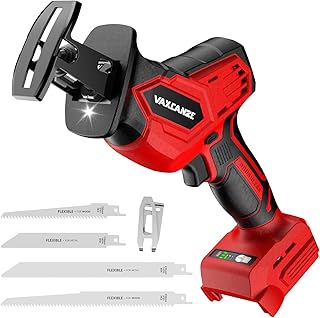


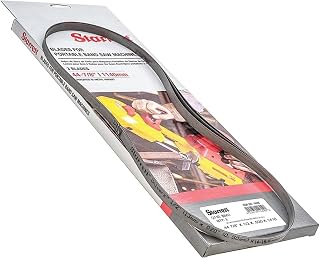


Choosing the best Milwaukee cordless band saw in Canada is less about finding one universally superior model and more about matching the saw to the material, cutting capacity, working environment and battery platform you already use. Milwaukee offers cordless band saw designs aimed at different types of cutting work, from compact fabrication tasks to larger metal-cutting applications.
For Canadian buyers, the most important comparison points include cutting capacity, blade speed, battery compatibility, trigger design, ergonomics, blade availability, adjustment features and the type of material you plan to cut. A compact saw can be easier to handle in confined spaces, while a deep-cut design can be more appropriate for larger pipe, channel, conduit or structural material.
This guide is designed for shoppers comparing Milwaukee cordless band saws and related configurations in Canada. It focuses on practical buying criteria rather than assuming that the most powerful or most expensive option is automatically the best choice.
Milwaukee is well known for its cordless professional tool ecosystem, particularly among tradespeople who already use battery-powered equipment on construction sites, fabrication projects, electrical installations, plumbing jobs and maintenance work.
A cordless band saw can provide several practical advantages over a traditional corded cutting tool. There is no power cord to route around the workpiece, and the tool can be moved quickly between cutting locations. This can be especially useful when working from ladders, elevated platforms, unfinished construction areas or locations where electrical outlets are inconvenient.
Band saws also produce a different cutting action from abrasive saws and many reciprocating saws. The continuous toothed blade is designed to remove material progressively as it travels around the wheels. With the correct blade and technique, this can provide controlled cuts through many types of metal and other suitable materials.
A useful buying guide should not rank cordless band saws solely by advertised power. Different users have different requirements, so the evaluation should consider how the complete tool performs in realistic applications.
Cutting capacity is one of the first specifications to check. It determines the maximum size of material that can be accommodated by the saw's throat and blade arrangement.
Think about the largest pipe, tube, channel, conduit or stock you regularly expect to cut. If most of your work involves small electrical conduit or light fabrication material, buying a substantially larger saw may add unnecessary weight and bulk. If you routinely cut larger sections, a compact saw may become frustrating because the workpiece will exceed its intended capacity.
Blade speed is commonly expressed in surface feet per minute. A higher maximum speed does not automatically mean faster cutting in every situation. The appropriate speed depends on the blade, material, thickness and cutting technique.
Variable-speed control is therefore valuable because it allows the operator to adapt the tool to different materials and applications. When comparing models, look at the available speed range rather than focusing only on the highest advertised figure.
Modern Milwaukee cordless band saws use brushless motor technology in many configurations. Brushless motors are generally valued for efficiency, durability and electronic control.
For heavy users, motor design matters because repeated cuts can place considerable demand on the powertrain. However, motor performance should always be evaluated alongside battery capacity, blade selection and cooling rather than in isolation.
Battery platform compatibility can have a major impact on the real cost of ownership. If you already have compatible Milwaukee batteries and chargers, a tool-only configuration may make more sense than buying another complete kit.
New Milwaukee users should compare the cost of the saw, battery and charger together. A lower tool-only price can become less attractive if the required battery and charger must also be purchased.
Weight is important, but balance can matter just as much. A well-balanced band saw can feel easier to control during repeated cuts, especially when the operator is working away from a bench.
Consider the position of the handles, trigger, battery and cutting head. The ideal arrangement depends on how you normally hold the tool and whether you make short occasional cuts or operate the saw repeatedly throughout a workday.
One of the most important decisions is whether you need a compact band saw or a deeper-cut design. Both categories have legitimate advantages.
Compact band saws are designed around portability and maneuverability. Their smaller profile can be particularly useful for electrical, plumbing, HVAC, maintenance and fabrication work where access around the material is limited.
A compact model may also be easier to carry around a jobsite. If you frequently move between rooms, floors or workstations, reduced size can be more valuable than maximum cutting capacity.
Deep-cut band saws are designed for larger workpieces and demanding cutting applications. Their larger cutting area makes them more appropriate when the material regularly exceeds the capacity of compact designs.
The trade-off can be greater size and weight. A deep-cut model may be unnecessary for someone who mainly cuts small conduit, thin-wall tubing or modest fabrication stock.
Variable-speed operation allows the user to regulate the blade according to the application. This can be useful when switching between different types or thicknesses of material.
Rather than always cutting at maximum speed, an experienced operator can select an appropriate setting and maintain steady pressure. This approach can help produce more controlled cuts and may reduce unnecessary blade wear.
The shoe provides a reference point against the workpiece and can improve control during cutting. A tool-free adjustable shoe is particularly convenient because it allows the user to change its position without spending additional time on manual adjustments.
When comparing band saws, check whether the shoe design suits the shapes of material you normally cut. A useful adjustment mechanism should be secure, easy to operate and capable of supporting consistent positioning.
An integrated LED light can be helpful when cutting in areas with limited illumination. It does not replace appropriate jobsite lighting, but it can make the cutting line and immediate work area easier to see.
A built-in hanging hook can be useful for temporary tool storage between cuts. This is a small feature, but it can improve workflow on active jobsites where the operator frequently puts the saw down and picks it up again.
Some Milwaukee cordless band saw configurations use a dual-trigger design that requires activation at two points. This can affect how the tool is handled and should be considered before purchase.
Users should read the manufacturer's operating instructions and safety documentation carefully before using any dual-trigger band saw. The correct hand position and operating procedure are essential.
Modern cordless power tools may incorporate electronic systems designed to monitor the interaction between the motor, battery and tool. These systems can help manage overload conditions and support consistent operation.
Electronic protection should not be treated as a substitute for correct blade selection, proper cutting technique or respecting the tool's rated capacity.
The blade is one of the most important components of a cordless band saw. Even an advanced saw can perform poorly when fitted with an unsuitable blade.
Band saw blades are commonly described using teeth-per-inch specifications. The correct tooth pattern depends on the material thickness and application.
Thinner material generally requires a blade configuration that maintains appropriate tooth engagement. Larger or thicker material may require a different tooth pitch. The goal is to maintain suitable tooth contact while avoiding conditions that cause excessive vibration or premature wear.
Blade construction also matters. Different blade materials and tooth configurations are intended for different levels of durability and cutting performance.
When shopping for replacement blades, confirm the correct blade dimensions and compatibility with the specific Milwaukee band saw model. Do not assume that every band saw blade is interchangeable simply because it appears physically similar.
Metal cutting requires particular attention to blade specification. Carbon steel, stainless steel, structural steel, aluminum and other metals can behave differently during cutting.
Always check the blade manufacturer's recommended applications. The appropriate combination of tooth geometry, material and speed is more important than simply choosing the most aggressive-looking blade.
The intended application depends on the exact model, blade and manufacturer's specifications. Cordless band saws are commonly associated with cutting suitable metal stock, including pipe, tubing, conduit and fabrication materials.
Some band saw blades can also be designed for other materials. However, users should never assume that a particular blade or saw is suitable for every material. Always verify the tool's instructions and blade recommendations before cutting.
For buyers already invested in the Milwaukee M18 ecosystem, battery compatibility can be one of the strongest reasons to choose an M18 cordless band saw.
However, battery selection should reflect the workload. A user making occasional cuts may have different requirements from a professional making dozens or hundreds of cuts during a working day.
A tool-only package can be attractive when you already own compatible batteries and a charger. It avoids purchasing duplicate accessories.
A complete kit can make more sense for someone entering the battery platform for the first time. Compare everything included in the package rather than comparing tool-only prices against complete kits.
Runtime varies with the material, blade, thickness, cutting pressure, temperature, battery condition and other factors. Advertised runtime figures should therefore be treated as application-specific rather than a guarantee of how long the saw will operate in every situation.
For intensive work, having more than one compatible battery can reduce downtime. This can be particularly useful when the saw is used continuously on a busy jobsite.
Canadian buyers should look beyond the headline product price. The final cost of a cordless band saw can depend on whether the purchase includes a battery, charger, blade, case or other accessories.
Availability can also vary between Canadian retailers. Before purchasing, compare the exact model number and package contents rather than assuming that similarly named products are identical.
A larger cutting capacity is useful only when you need it. Buying a larger band saw for small work can add unnecessary bulk and make the tool less convenient to carry.
A band saw is only as practical as the blades you can obtain for it. Before buying, check the dimensions, tooth configurations and material options available for the specific model.
This is one of the easiest ways to make a misleading price comparison. A tool-only package and a kit containing batteries and a charger are not equivalent purchases.
Maximum blade speed is only one specification. Control, speed adjustment, blade compatibility, cutting capacity and ergonomics can be equally important.
A saw that looks impressive on a specification sheet may become uncomfortable during repeated overhead or awkward-position cuts. Consider how and where the tool will actually be used.
Milwaukee's cordless band saw range includes different form factors and configurations. Model numbers, trigger arrangements, cutting capacity, included accessories and battery packages can differ.
Electricians can use suitable cordless band saws for cutting compatible conduit and metal components. Cordless operation can be particularly convenient on construction sites where temporary power arrangements change throughout a project.
Plumbers may benefit from a portable cutting tool when working with compatible pipe and tubing. The appropriate blade should always be selected for the material being cut.
HVAC work often involves repetitive cutting in areas where maneuverability matters. A compact band saw can be useful when larger cutting tools are difficult to position.
Fabricators can benefit from controlled cuts through suitable metal stock. For workshop applications, cutting capacity and blade selection become especially important because the tool may be used across multiple material types.
Maintenance teams often value portable tools because cutting requirements can arise in different locations. A cordless band saw eliminates the need to manage a power cord while moving around the jobsite.
Good results depend on more than the tool itself. The workpiece should be positioned securely before cutting, and the operator should maintain stable control throughout the cut.
Routine maintenance can help keep a band saw operating reliably. The exact maintenance procedure depends on the model, so the manufacturer's instructions should always take priority.
Metal chips and debris can accumulate around moving components. Remove debris according to the manufacturer's cleaning instructions and avoid allowing contamination to build up around the blade path.
A worn, damaged or incorrectly installed blade can reduce cutting performance. Inspect the blade before use and replace it when it no longer provides the required cutting performance.
Correct blade tension is important for stable operation. Follow the manufacturer's specified procedure rather than relying on guesswork.
Check that the adjustable shoe moves correctly and locks securely. A loose or damaged shoe can affect how the saw contacts the workpiece.
Store and charge batteries according to the manufacturer's instructions. Avoid exposing battery packs to conditions outside their recommended operating and storage environment.
Both tools can cut metal, but they are designed around different cutting mechanisms.
A band saw uses a continuous blade loop. This can provide a controlled cutting action and is particularly useful for repeatable cuts through suitable stock.
A reciprocating saw uses a back-and-forth blade. It can be extremely versatile and useful for demolition, irregular cuts and applications where access is more important than producing a highly controlled straight cut.
If your work consists primarily of repeated straight cuts through pipe or tubing, a band saw can be a compelling choice. If you need a highly versatile demolition and general-purpose cutting tool, a reciprocating saw may be more appropriate.
An angle grinder can perform many metal-cutting tasks, but its cutting method is different. Grinders typically use abrasive or specialized cutting discs, while band saws use toothed blades.
A band saw may be preferable when controlled cutting and reduced sparks are important to the application. A grinder can be more versatile for cutting, grinding, deburring and surface preparation.
The right choice depends on the material, required finish, working environment and type of operation.
The primary advantage of cordless operation is mobility. A corded band saw can make sense in a fixed workshop where reliable electrical power is readily available.
A cordless model is generally more convenient when moving around a jobsite or working away from a fixed workstation. The trade-off is the need to manage battery capacity and charging.
For Canadian professionals who already operate several compatible cordless tools, a battery-powered band saw can integrate naturally into an existing workflow.
Milwaukee is not the only brand worth considering when shopping for a cordless band saw. Depending on your existing tool collection, you may also compare options from brands such as Makita, DEWALT, Bosch, RIDGID and Metabo HPT.
The best comparison is not simply brand versus brand. Compare the exact model against the exact model using cutting capacity, blade speed, battery system, weight, ergonomics, warranty terms, replacement blade availability and current Canadian pricing.
For users already invested in one of these battery ecosystems, platform compatibility can be more important than small differences in individual specifications.
DEWALT also has a strong cordless professional tool ecosystem. Compare battery ownership, cutting capacity and ergonomics before deciding which platform fits your workflow.
Bosch is another established power-tool manufacturer. Buyers should compare the specific band saw configuration rather than assuming that brand reputation alone determines the better choice.
RIDGID can be particularly relevant to buyers who already use its professional tools. As with other brands, the exact battery platform and tool specifications should be checked before purchase.
Jobsite use places different demands on a power tool than occasional home workshop use. Portability, durability, battery management and ease of operation become especially important.
A good jobsite band saw should be easy to carry, straightforward to position and capable of handling the materials required by the trade. Features such as an integrated light, adjustable shoe and hanging hook can also improve everyday convenience.
However, durability should not be confused with unlimited resistance to abuse. Proper storage, blade maintenance and correct operating technique remain important even with a rugged professional tool.
Home users should think carefully about frequency of use. If you only make a handful of cuts each year, a professional cordless band saw may offer capabilities that you rarely use.
On the other hand, serious DIY fabricators, hobby metalworkers and workshop users may benefit from the convenience of a portable band saw, especially when repeatable cuts are required.
Before buying, consider the total ownership cost. Include the saw, batteries, charger, blades and any accessories needed for your typical projects.
A cordless band saw is still a serious cutting tool. Read the manufacturer's manual before operation and use the protective equipment recommended for the application.
Price comparison is useful, but the cheapest listing is not necessarily the best value. Start by identifying the exact model number and package configuration.
Then compare what is included. A tool-only product may look inexpensive compared with a kit, but the comparison changes after adding the required battery, charger and blades.
Canadian shoppers should also check current retailer information, delivery terms, taxes and any applicable charges before making a purchase. Prices and availability can change throughout the year.
A cordless band saw is a system rather than just a single tool. Long-term ownership includes batteries, chargers, replacement blades and other compatible accessories.
Before committing to a model, consider whether the battery platform will remain useful for other tools you may purchase later. This can make an existing battery ecosystem significantly more valuable over time.
Also consider replacement components. A tool that is easy to purchase but difficult to maintain may become less convenient over several years of use.
For most buyers, the best approach is to identify the required cutting capacity first. Once capacity is established, narrow the choices according to size, battery platform, blade speed and ergonomics.
Next, decide whether a tool-only configuration or complete kit makes more sense. Finally, compare the exact model and package across trusted Canadian retailers while checking current specifications and verified customer feedback.
This approach helps prevent a common mistake: buying based on brand name or price before confirming whether the actual saw matches the intended application.
The best option depends on your material size, cutting frequency, required portability and battery ownership. A compact model can be suitable for smaller work, while a deep-cut model can be more appropriate for larger stock.
Suitable Milwaukee cordless band saws can be used for compatible metal-cutting applications when fitted with the correct blade and operated within the manufacturer's specifications.
Choose compact when maneuverability and portability are your priorities. Choose deep-cut when your work regularly involves larger material that requires greater cutting capacity.
Neither tool is universally better. A band saw is often attractive for controlled repeat cuts through suitable stock, while a reciprocating saw offers broader versatility for demolition and irregular cutting tasks.
The required battery depends on the specific model and platform. Always verify the manufacturer's compatibility information for the exact band saw before purchasing a battery.
A tool-only configuration can be a good choice if you already own compatible batteries and a charger. If you are new to the platform, compare the complete kit cost before deciding.
Blade selection is extremely important. Tooth configuration, blade material, pitch and dimensions should match the material and application. Always follow the manufacturer's recommendations.
No. Different materials and thicknesses can require different blade specifications. Check the blade manufacturer's recommendations instead of assuming one blade is suitable for every job.
They can be suitable for professional applications when the specific model provides the required capacity, battery performance, durability and features for the job.
Confirm the exact model number, cutting capacity, battery platform, included accessories, blade configuration, warranty information and current retailer terms. Also compare verified customer feedback for the exact model rather than relying only on reviews of similar products.
The best Milwaukee cordless band saw for your needs is the one that provides the right balance of cutting capacity, portability, control, battery compatibility and blade support. A compact model may be the smarter choice for frequent small cuts and confined spaces, while a deep-cut configuration can be more appropriate for larger pipe, tubing and structural material.
Milwaukee's cordless ecosystem can be particularly appealing to existing battery-platform users, but every purchase should still be evaluated on its exact specifications and intended application. Compare the model number, package contents and current Canadian pricing before making a final decision.
For the most informed purchase, use this guide as a comparison framework, then verify the latest specifications, included accessories, warranty information and verified customer feedback for the exact product you are considering. That approach gives you a better chance of choosing a Milwaukee cordless band saw that genuinely fits your work rather than simply buying the most powerful-looking option.