

♥ Wishlist


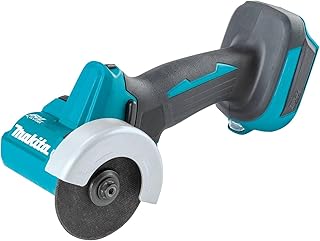


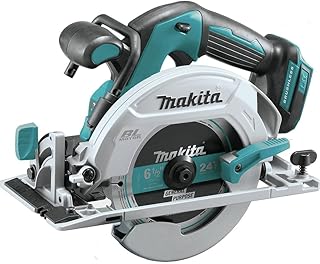
A cordless metal cutting saw can be a practical choice for Canadian contractors, fabricators, tradespeople, maintenance professionals and experienced DIY users who need portable cutting performance. Unlike a stationary workshop saw, a cordless model can be carried directly to the material instead of requiring the workpiece to be moved to a fixed cutting station. This can be especially useful on construction sites, service calls, renovation projects and outdoor work areas.
The first step is identifying the materials you expect to cut most often. Mild steel, stainless steel, aluminium, galvanized metal, tubing, pipe, angle iron, flat bar and other profiles can place different demands on a cutting tool. Always check the specifications for the exact saw and blade combination rather than assuming a model is suitable for every type or thickness of metal.
Cutting capacity is particularly important. A compact saw may be easier to carry and control, while a larger model may accommodate bigger material. Consider the maximum thickness and shape of the stock you normally encounter, then compare the manufacturer's stated cutting capacities. Choosing capacity based on your actual workload can help avoid paying for unnecessary size and weight.
The blade is an essential part of the cutting system. Diameter, arbor dimensions, tooth design, material compatibility and rotational requirements should all be checked before purchasing replacement accessories. Metal-cutting blades are designed for specific applications, and using an unsuitable blade can affect cut quality, consumable life and safe operation.
Some metal-cutting systems use specialized blades designed to produce controlled cuts with less heat than conventional abrasive methods, while abrasive wheels remain useful for particular applications. Do not assume that a blade intended for one Makita saw will automatically fit another model. Verify compatibility with the exact tool and follow the manufacturer's recommendations.
Battery compatibility is another major consideration when buying a cordless saw. Makita offers different cordless platforms, so the exact battery requirement should be checked for each model. If you already own compatible Makita batteries and a charger, a bare-tool configuration may be an economical option. If you are starting from scratch, a kit containing batteries and a charger may provide better overall convenience.
Battery capacity can influence how long you can work between charges, but runtime is never determined by battery size alone. Material thickness, cutting frequency, blade condition, operator technique, temperature and workload can all affect energy consumption. For repetitive cutting, having a second compatible battery available can reduce interruptions.
Weight and balance matter when a saw is used repeatedly. Compare the complete operating setup, including the battery, rather than considering tool-only weight in isolation. Handle position, switch arrangement, guard design and battery placement can all affect how comfortable and controllable the saw feels during extended work.
Cordless operation can also simplify mobile work by eliminating the need to route an extension cord through the workspace. This may make setup easier and reduce one potential trip hazard. However, cordless convenience should be balanced against battery management and the demands of continuous cutting.
Metal cutting can create sparks, hot fragments, sharp edges, noise and airborne particles. Look at the safety features provided on the specific model, such as blade guards, switching systems, electric brakes or electronic protection where applicable. Secure the workpiece before cutting and follow the manufacturer's operating instructions.
Appropriate personal protective equipment is also important. Eye protection should be used for metal cutting, while hearing protection and other equipment may be appropriate depending on the application. Keep combustible materials away from areas where sparks may travel, and allow freshly cut metal to cool before handling it.
Canadian shoppers should compare more than the advertised tool price. Check whether the listing includes the saw only or a complete kit, and confirm which batteries, chargers, blades, guards or cases are included. Product configurations can vary between listings, so checking the exact model number is essential.
Replacement blade availability should also form part of your buying decision. A suitable saw is easier to own when compatible consumables are readily available. Consider your typical materials, cutting frequency, required capacity and existing battery collection before selecting a model.
For occasional home projects, manageable weight and straightforward operation may be more important than maximum capacity. Professional fabricators may place greater emphasis on repeat cutting performance, blade compatibility, ergonomics and durability. Mobile contractors and service technicians may value portability and battery flexibility above all else.
The best Makita cordless metal cutting saw is therefore not necessarily the largest or most powerful option. It is the model whose cutting capacity, blade system, battery platform and handling characteristics match your actual work. Compare the available options carefully, verify current Canadian retailer information and review the manufacturer's specifications before purchasing.
Find a Makita cordless metal cutting saw suited to the way you work. Whether you are cutting steel tubing on a construction site, preparing metal stock in a workshop, completing mechanical repairs or tackling a renovation project, cordless cutting equipment can provide the mobility needed when access to a power outlet is limited. This category brings together Makita metal-cutting options and related cutting equipment so Canadian shoppers can compare important specifications before choosing a model. When comparing cordless metal cutting saws, look beyond battery voltage and headline specifications. Cutting capacity, blade compatibility, tool weight, battery platform, ergonomics, safety features and the type of metal being cut all influence how useful a saw will be in real-world applications.