
Explore cordless power tools, kits, batteries, chargers, accessories and related equipment available to Canadian shoppers. Compare product options and follow useful buying guides before you buy.






Choosing the best Makita air compressor in Canada requires more than comparing tank size or motor power. The right model depends on the type of pneumatic tools you plan to operate, how frequently you work, where the compressor will be used, and how much portability matters. A compact compressor can be ideal for inflation, finishing work and light-duty fastening, while a larger unit may be more appropriate for demanding pneumatic applications.
Makita has a broad range of air compressors designed around different workloads and operating environments. When comparing models, pay close attention to airflow, pressure, tank capacity, pump configuration, noise considerations, portability, power requirements and the specifications of your pneumatic tools. A compressor that looks powerful on paper may still be unsuitable if its delivered airflow does not meet the requirements of your tools.
The best choice starts with your actual workload. Avoid selecting a compressor simply because it has the largest tank or highest advertised pressure. Instead, match the compressor to the tool that places the greatest demand on the system.
CFM, or cubic feet per minute, is one of the most important specifications when comparing air compressors. It indicates how much air the compressor can deliver under a stated pressure condition. Pneumatic tools also have airflow requirements, so these figures should be considered together.
Nailers and staplers generally require considerably less continuous airflow than tools such as impact wrenches, grinders or sanders. If a compressor cannot replenish air quickly enough, pressure can fall during extended operation.
When comparing Makita compressors, look for the stated CFM at the pressure relevant to your application rather than relying only on a maximum CFM figure. Tool manufacturers may also specify average and continuous airflow requirements. Use the more demanding figure when planning for sustained work.
PSI means pounds per square inch and describes air pressure. Many pneumatic tools operate within a particular pressure range. A compressor with a suitable maximum PSI provides flexibility, but maximum pressure alone does not determine whether the machine can keep up with a demanding tool.
For example, a compressor may reach a high maximum pressure while still having limited airflow for continuous applications. Therefore, PSI and CFM should always be evaluated together.
Tank capacity affects how a compressor behaves during use. A larger tank stores more compressed air and can reduce the frequency with which the motor needs to start during intermittent applications.
Smaller tanks can make a compressor easier to transport and store. They can work particularly well for applications involving short bursts of air. Larger tanks are generally more useful when a task demands repeated airflow or when you want a greater reserve between motor cycles.
However, tank size should not be treated as a substitute for compressor capacity. A large tank cannot permanently compensate for insufficient airflow when a pneumatic tool is used continuously.
Portable models are useful for contractors, maintenance work, workshops and homeowners who need to move equipment between locations. Features such as carrying handles, wheels, compact dimensions and manageable weight can make a significant difference when equipment has to be transported frequently.
If you regularly work at different locations, portability may be more valuable than having the largest available tank. A compressor that is difficult to move can become inconvenient even if its performance specifications are excellent.
Stationary equipment is better suited to workshops where the compressor remains in one location. Larger systems can provide greater air storage and capacity for demanding pneumatic applications.
Before choosing a stationary compressor, consider available floor space, electrical requirements, ventilation, hose routing and the type of tools that will be connected to the system.
Oil-lubricated compressors use oil within the pump system to reduce friction and support long-term operation. They can be suitable for users who prioritize durability and are prepared to follow the manufacturer's maintenance requirements.
Maintenance may include checking oil levels, following recommended service intervals and using the correct lubricant. Always follow the specific maintenance instructions supplied with the compressor.
Oil-free compressors eliminate the need for routine pump oil changes. This can simplify ownership and make them attractive for users who want straightforward maintenance.
Oil-free construction does not automatically mean that a compressor is better or worse. The better choice depends on operating demands, expected usage, noise preferences, portability and maintenance priorities.
Compressor noise can become important when equipment is used in a residential garage, enclosed workshop or shared working environment. If noise is a major concern, compare manufacturer specifications and look for design features intended to reduce operating noise.
Do not judge noise solely from product descriptions. Compressor sound can also be affected by the room, floor surface, vibration and distance from the operator. A suitable installation location can make equipment considerably more comfortable to use.
Electrical requirements should be checked before purchasing any compressor. Confirm the voltage, amperage and electrical configuration specified for the model and compare them with the power available at your intended location.
Canadian users should pay particular attention to the electrical requirements of workshop equipment. Avoid assuming that every compressor can be connected to an ordinary household outlet. Larger units may have different power requirements.
If an installation requires electrical modifications, consult a qualified professional rather than improvising a connection.
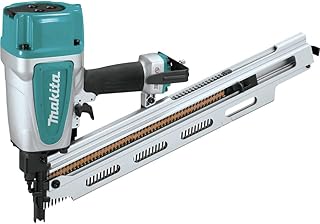
A compact Makita compressor can be a practical choice for users working with framing nailers, finish nailers, brad nailers or staplers, provided the compressor's airflow and pressure specifications meet the requirements of the specific tool.
For intermittent fastening, portability and recovery time may be more important than a very large tank. Compare the compressor against the nailer's stated operating requirements before deciding.
Automotive applications can place greater demands on an air compressor. Impact wrenches, air ratchets and other pneumatic tools may require more airflow than light-duty fastening equipment.
When selecting a compressor for automotive work, focus on sustained airflow, recovery performance, tank capacity and the requirements of the tools you expect to use. A compressor intended mainly for inflation should not automatically be considered suitable for continuous automotive applications.
Home workshop users often need a versatile compressor for occasional inflation, fastening, cleaning and small pneumatic projects. In this situation, a balanced combination of portability, airflow, tank capacity, noise and storage requirements may be more useful than maximum output.
Construction environments can place greater emphasis on durability and portability. A compressor used on a job site may need to be moved frequently and operate alongside nailers or other pneumatic equipment.
Consider the working environment carefully. Wheels and handles can simplify transportation, while compact dimensions can make storage easier when the compressor is not in use.
Recovery time describes how quickly the compressor can restore pressure after air has been consumed. This becomes particularly important when a pneumatic tool is used repeatedly.
A compressor with insufficient recovery capacity may cycle frequently while pressure drops during demanding work. For intermittent tasks, this may not be a serious problem. For continuous applications, it can reduce productivity.
When comparing products, examine the manufacturer's airflow information and consider how closely it matches the consumption rate of your tools.
One common mistake is assuming that a larger tank always means a better compressor. A large tank provides additional stored air, but the pump still needs to replenish that air. If the compressor cannot produce sufficient airflow, the advantage of a larger tank can be limited during continuous use.
Another mistake is choosing the smallest possible model without considering future tools. If you expect to add pneumatic equipment later, selecting a compressor with some additional capacity can prevent the need for an early replacement.
The compressor is only one part of a pneumatic system. Hose diameter, hose length, fittings, couplers, regulators and filters can all influence how effectively air reaches the tool.
A hose that is too restrictive for a high-demand pneumatic tool can limit airflow. Long hose runs may also introduce pressure losses. Match hose and fitting specifications to the compressor and pneumatic tools rather than selecting accessories solely by price.
A regulator allows the operator to control the pressure delivered to the tool. This is useful because different pneumatic tools can have different operating requirements.
Gauges help monitor system pressure, while filters can help manage moisture and contaminants in compressed air. The exact filtration requirements depend on the application. Tools used for basic workshop tasks may have different requirements from equipment used for more sensitive applications.
Compressed air can contain moisture, particularly as air is compressed and subsequently cools. Moisture management is therefore an important part of compressor maintenance.
Regularly follow the manufacturer's instructions for draining the tank. Depending on the environment and application, additional moisture-management equipment may also be useful.
Canadian users should pay attention to seasonal temperature changes. Equipment stored or operated in cold conditions can experience different condensation and operating characteristics than equipment used in a warm indoor workshop.
Cold temperatures can affect mechanical and electrical equipment. Before operating a compressor in a cold environment, consult the manufacturer's instructions regarding acceptable operating and storage temperatures.
If a compressor has been stored in a very cold location, allow it to reach the recommended operating conditions before use when required by the manufacturer. Do not ignore instructions relating to lubrication, electrical power or startup procedures.
Create a short list based on your actual requirements instead of choosing from specifications at random. Start by identifying the pneumatic tools you already own or expect to purchase. Record their required PSI and CFM, then compare those figures with compressor specifications.
Next, consider how often the compressor will be moved. If portability is important, weight and physical dimensions should receive greater attention. If the machine will remain in a workshop, tank capacity, airflow and electrical requirements may deserve greater priority.
Finally, compare maintenance requirements, noise considerations, included accessories and the manufacturer's documentation. Reading verified customer reviews can provide additional insight into ownership considerations, but reviews should complement rather than replace technical specifications.
Makita is one of several established power-tool brands worth considering when shopping for an air compressor. Depending on your requirements, you may also encounter products from DEWALT, Milwaukee, California Air Tools, Campbell Hausfeld, Bostitch and other manufacturers.
The best brand is not necessarily the one with the highest specification. Compare individual models based on airflow, pressure, tank capacity, portability, noise, electrical requirements, maintenance and suitability for your tools.
Brand compatibility can also matter if you already own equipment from a particular manufacturer. However, pneumatic tools generally need to be matched according to their technical requirements rather than brand name alone.
Maximum pressure is only one part of compressor performance. Always examine airflow at the relevant pressure.
A compressor that works well with a nailer may not be appropriate for a high-consumption grinder or sander. Check every major pneumatic tool you plan to operate.
A compact tank can be convenient, but repeated high-demand operation may require greater storage and recovery capacity.
Confirm the electrical specifications before purchasing. This is especially important for larger workshop compressors.
A heavy compressor may be inconvenient for users who frequently move equipment. Consider how and where you will actually use it.
Do not assume that a hose, couplers, inflation accessories or specialized fittings are included. Check the manufacturer's product specification and package contents.
Value should be measured by suitability rather than simply the lowest purchase price. A less expensive compressor may become poor value if it cannot operate your preferred pneumatic tools effectively.
Consider the total ownership requirements. A suitable compressor should provide enough capacity for your current workload while offering reasonable portability, maintenance requirements and storage practicality.
For occasional household use, spending more for unnecessary capacity may not provide meaningful value. For professional or frequent workshop use, paying more for appropriate airflow, construction and convenience may make more sense.
There is no single model that is best for every Canadian buyer. The right choice depends on your pneumatic tools, required CFM and PSI, tank capacity, portability, electrical setup and intended frequency of use. Compare the specifications of shortlisted models with the requirements of your tools.
Makita is an established power-tool manufacturer with a range of compressor options. Whether a particular Makita compressor is suitable depends on its specifications and your intended application. Evaluate individual models rather than relying on the brand name alone.
The required size depends primarily on the tools you intend to operate. Identify the highest CFM requirement among your main tools and compare it with the compressor's delivered airflow. Tank capacity, portability and operating frequency should then be considered.
No. A larger compressor can provide greater capacity, but it may also be heavier, larger and more expensive. For occasional fastening or inflation, a compact model may be more practical. High-demand applications may justify greater capacity.
Requirements vary by tool and manufacturer. Always follow the operating range specified for the particular pneumatic tool. Do not assume that a higher maximum compressor PSI automatically improves tool performance.
Neither specification should be considered in isolation. PSI describes pressure, while CFM describes airflow. The appropriate compressor must meet the pressure and airflow requirements of the tool being used.
There is no universal tank size for every home workshop. Occasional inflation and fastening can work well with a compact tank, while repeated pneumatic work may benefit from greater storage capacity and stronger recovery performance.
Oil-free models can simplify maintenance, while oil-lubricated designs may suit users who prefer a traditional pump configuration and are willing to follow lubrication requirements. Compare the specific model's maintenance instructions and intended use.
It depends on the compressor and impact wrench. Compare the impact wrench's airflow requirement with the compressor's delivered CFM at the relevant pressure. Intermittent use may place different demands on the system than continuous pneumatic operation.
Yes, provided its specifications meet the requirements of the automotive tools being used. Impact wrenches and other high-demand pneumatic equipment can require substantially more airflow than basic inflation tools.
Drainage requirements vary by compressor and operating conditions. Follow the manufacturer's instructions and pay particular attention to moisture accumulation in the tank.
Suitability depends on the specific model and its operating instructions. Cold temperatures can affect equipment, lubrication and startup conditions. Check the manufacturer's recommended temperature range and storage guidance before operating a compressor in a cold environment.
The best Makita air compressor in Canada is the model that matches your tools and working conditions rather than simply the model with the biggest tank or highest pressure rating. Start with CFM and PSI requirements, then evaluate tank capacity, recovery performance, portability, electrical requirements, noise, maintenance and accessories.
For occasional home use, prioritize convenience and a suitable balance of capacity and portability. For workshop or automotive applications, place greater emphasis on airflow and sustained performance. For job-site use, portability and practical durability may become equally important.
Before purchasing in Canada, compare current specifications from reputable retailers and the manufacturer's documentation. Read verified customer reviews for additional ownership insights, check today's prices, and confirm that the selected compressor is appropriate for the pneumatic tools you intend to operate. Taking these steps can help you narrow the available choices and select a Makita air compressor that fits your actual workload in 2026.