

♥ Wishlist


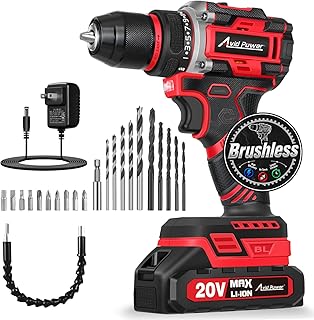


A Craftsman cordless heat gun is designed for jobs where controlled hot air and freedom from a mains power connection can make the work easier. Instead of positioning a project close to an electrical outlet or managing an extension cord, a battery-powered heat gun lets you move around the workspace with fewer restrictions. This can be especially useful for renovation work, repairs, automotive projects, electrical tasks, workshops, and DIY applications.
When choosing a Craftsman cordless heat gun in Canada, start by considering the type of work you expect to perform. Heat guns can be used for applications such as shrinking heat-shrink tubing, softening adhesives, loosening certain fasteners or coverings, removing paint, drying selected materials, bending suitable plastics, and completing craft or repair projects. The correct temperature, airflow, working distance, and technique depend on the material and application, so always follow the tool manufacturer's instructions and the requirements of the material being heated.
Temperature control is one of the most important considerations. Different materials require different levels of heat, and a tool with suitable heat settings can provide better control across a wider range of applications. If you regularly switch between heat-shrink tubing, adhesives, plastics, and surface preparation, look for a model that provides the adjustment you need rather than choosing solely on maximum temperature.
Airflow and heat-up performance also affect productivity. A heat gun that reaches operating temperature quickly can reduce waiting between tasks, while an appropriate airflow helps distribute heat across the working area. For precise jobs, controllability may be more important than simply choosing the highest available heat output.
Battery compatibility is another key factor for Canadian shoppers. If you already own compatible Craftsman cordless tools, a bare-tool heat gun may allow you to use batteries from your existing system, depending on the specific model and manufacturer's compatibility requirements. Check the exact battery platform before purchasing. If you are starting from scratch, compare the cost of the tool, battery, and charger rather than looking only at the advertised tool price.
Heat-shrink tubing is a common application. Controlled heat can shrink suitable tubing around wires and connections, helping create a neat and protected installation when the correct materials and procedures are used. Cordless operation is particularly convenient when working around equipment or in locations where access to a power outlet is limited.
Heat guns can also assist with paint and coating removal. Carefully applied heat may soften certain coatings, making them easier to remove with an appropriate scraper. Because excessive heat can damage surfaces or create hazardous fumes, users should work cautiously, maintain appropriate ventilation, and follow the coating manufacturer's safety guidance.
Other potential applications include softening adhesives, shaping compatible plastics, drying selected materials, and completing craft projects. The tool should always be matched to the material because some plastics, finishes, fabrics, adhesives, and other products can react unpredictably to heat.
The main advantage is mobility. Without a power cord, you can position the tool where it is needed without planning your work around an outlet. This can be useful for outdoor jobs, construction areas, vehicles, remote repair locations, and unfinished spaces.
Cordless operation can also improve convenience when working in compact areas. There is no mains cable to drag across the workspace, which can make short, repetitive tasks easier to manage. For professionals who already use a compatible Craftsman battery platform, adding a cordless heat gun can also provide another useful tool without necessarily introducing a separate battery ecosystem.
Canadian shoppers should compare the complete package before choosing a model. Check whether the listing includes a battery and charger or is supplied as a bare tool. Review the specified temperature range, heat settings, airflow information, runtime expectations, weight, included accessories, and warranty information where available. Also consider where you will use the heat gun and whether portability, compact dimensions, or longer battery runtime matters most for your projects.
For occasional DIY work, a versatile model with practical controls may provide all the capability you need. Frequent users may place greater value on battery efficiency, ergonomics, rapid heat-up, durability, and convenient controls. Whichever model you choose, use suitable protective equipment, keep combustible materials away from the hot nozzle, allow the tool to cool safely after use, and never leave a heated tool unattended.
A Craftsman cordless heat gun can be a useful addition to a cordless tool collection when portability and controlled heat are important. By comparing battery requirements, temperature control, airflow, ergonomics, intended applications, and the overall kit contents, Canadian shoppers can select a model that better matches their workshop, repair, renovation, or DIY needs.
Find the right Craftsman cordless heat gun for portable heat-shrinking, adhesive work, paint removal, plastic forming, and other heat-based tasks. A cordless design gives Canadian DIYers and tradespeople greater freedom to work away from outlets while keeping the tool easy to manoeuvre in workshops, garages, renovation sites, and other work areas.