

Explore cordless power tools, kits, batteries, chargers, accessories and related equipment available to Canadian shoppers. Compare product options and follow useful buying guides before you buy.
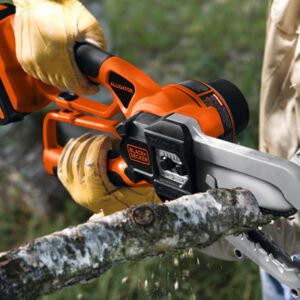
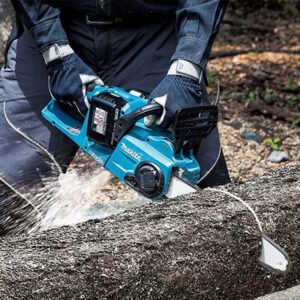
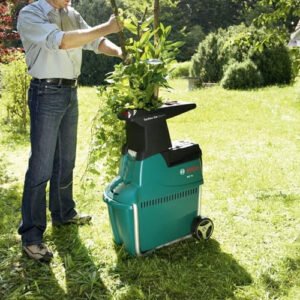
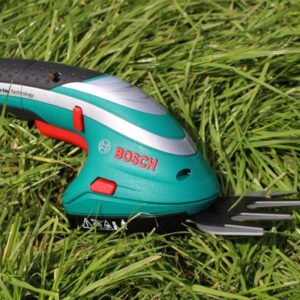


Choosing the right gardening equipment in Canada requires more than comparing product names or ratings. Canadian gardens can involve compact urban yards, large suburban lawns, vegetable beds, flower borders, hedges and properties where seasonal maintenance is demanding. The best gardening tools therefore depend on the type of work, garden size, vegetation, storage space, climate and preferred power source.
This guide is designed to help Canadian shoppers compare gardening tools by practical performance factors rather than relying on a single feature. Before choosing a product, consider how often you will use it, whether the job requires cutting, trimming, digging, pruning, clearing or watering, and whether a cordless, corded or manual tool makes the most sense.
A good buying decision starts with the task rather than the tool. A homeowner maintaining a small flower garden has very different requirements from someone managing a large lawn, mature trees or extensive vegetable beds.
The power source can significantly influence the convenience of garden maintenance. Manual tools are often straightforward and require no charging or electrical connection. They can be excellent for pruning, digging, planting, cultivating and other jobs where mechanical assistance is unnecessary.
Cordless gardening equipment offers greater mobility. Modern battery platforms can cover tasks such as trimming, cutting, blowing and lawn maintenance without requiring a permanent power connection. However, battery runtime, charging time and compatibility should be considered carefully.
Corded tools can provide continuous operation while connected to a suitable outdoor power source. They may be practical for users who work near an electrical outlet and do not want to manage battery charging. The main limitation is cable management and the need to keep the cord clear of cutting equipment, water and obstacles.
Battery-powered gardening tools are increasingly useful for homeowners who want mobility without petrol-powered equipment. When comparing cordless models, do not evaluate voltage alone. Battery capacity, motor efficiency, workload, tool design and the condition of the battery can all influence practical runtime.
A larger battery may provide longer operating time but can also add weight. For lightweight trimming or pruning, a compact battery may be easier to handle. For demanding cutting or extended clearing, additional capacity can be more useful.
Battery ecosystems are another important consideration. Brands such as DEWALT, Milwaukee, Makita, Bosch, Ryobi and Greenworks offer cordless product ranges in various markets. A compatible battery platform can allow one battery system to serve multiple tools, but compatibility should always be confirmed for the exact model and regional version.
Durability depends on construction quality, workload, maintenance and storage. A tool used occasionally in a small garden may not need the same construction as equipment used every week during the growing season.
For cutting tools, inspect the quality and replaceability of blades where applicable. For hand tools, look for strong handles, secure connections and materials designed to resist corrosion. For powered equipment, examine housing construction, switch design, ventilation and the availability of replacement components.
Metal components should be cleaned and dried after exposure to moisture or soil. Even a well-made tool can deteriorate quickly when stored wet or left outside throughout the season.
Small gardens usually benefit from compact equipment that is easy to store and quick to deploy. A homeowner with limited outdoor space may not need large-capacity machinery for occasional maintenance.
Compact tools can also be easier to store in garages, sheds and smaller utility areas. When space is limited, consider whether a tool can be safely stored without exposing its battery, electrical components or cutting edges to excessive moisture.
Larger properties place greater demands on garden equipment. Runtime, cutting width, capacity, ergonomics and operating speed become more important when a job takes significantly longer.
For large areas, cordless tools with interchangeable battery systems can reduce the need for multiple chargers and simplify equipment management. However, users should calculate whether one battery is sufficient or whether multiple batteries are required for a complete maintenance session.
For extensive lawns, cutting width can affect the number of passes required. For hedges, blade length and cutting capacity can influence productivity. For leaf clearing, airflow and air speed should be considered together rather than treating either specification as the sole indicator of performance.
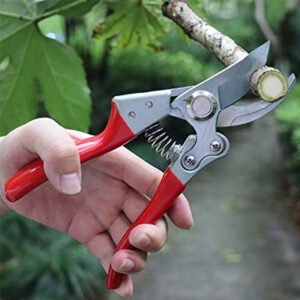
Pruning tools are among the most frequently used pieces of garden equipment. A good pruner should feel secure in the hand and provide controlled cutting without excessive force.
Bypass pruners are commonly used for live stems because their blades pass one another in a scissor-like action. Anvil-style designs use a blade that closes against a flat surface and may be useful for different cutting applications. The correct design depends on the material being cut and the manufacturer's intended use.
When comparing pruners, consider blade material, handle design, locking mechanism, cutting capacity and whether replacement blades or parts are available. Avoid exceeding the manufacturer's stated cutting capacity because forcing a tool through material that is too thick can damage the mechanism.
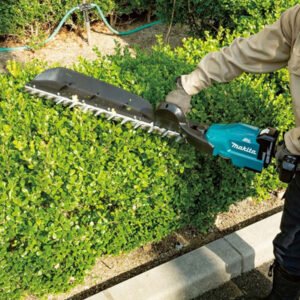
Hedge trimmers should be selected according to hedge size, branch thickness and how frequently trimming is required. Blade length can influence coverage, while tooth spacing can affect the types of growth a tool is designed to handle.
Longer blades are not automatically better. A compact hedge can sometimes be easier to shape with a shorter, more maneuverable tool. For tall or wide hedges, reach and tool balance become increasingly important.
String trimmers are useful for grass around trees, fences, garden borders and areas that are difficult to reach with a lawn mower. When shopping, compare cutting swath, line system, shaft design, weight and power source.
A wider cutting swath can cover more area per pass, but it may also require a tool with sufficient power to maintain performance. Automatic or bump-feed line systems can simplify line advancement, while fixed-line systems may have different maintenance requirements.
Edging capability can also be useful where a clean boundary is important. Some models are designed primarily for trimming, while others provide features intended for switching between trimming and edging positions.
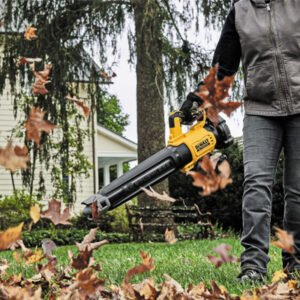
Leaf blowers can reduce the time needed to clear paths, patios, driveways and lawns. Air volume and air speed describe different aspects of blower performance. Air speed indicates how quickly air moves, while air volume describes how much air the tool can move over a given period.
For moving large quantities of loose leaves, overall airflow can be particularly relevant. For stubborn debris, concentrated airflow can be more useful. The best choice depends on the surface and material being cleared.
Noise, weight, battery runtime and variable-speed control should also be considered. A variable-speed trigger can provide better control when working around flower beds or delicate areas where excessive airflow could disturb mulch or soil.
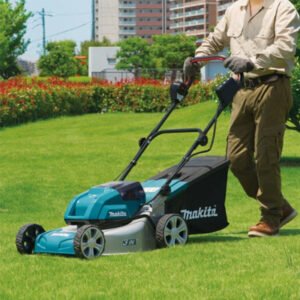
Lawn mower selection should begin with lawn size and terrain. Manual push mowers may suit smaller, manageable areas, while powered models can reduce physical effort on larger lawns.
Cordless electric mowers provide freedom from extension cords and can be convenient for homeowners already using a compatible battery ecosystem. Corded electric models can provide continuous operation but require careful cable management.
When comparing lawn mowers, examine cutting width, cutting-height adjustment, collection capacity, deck construction, handle design, storage configuration and power source. For uneven terrain, overall maneuverability and wheel design can matter as much as nominal motor specifications.
Chainsaws should be chosen with particular attention to the intended cutting application, because equipment designed for small pruning jobs differs substantially from tools intended for larger wood.
For occasional garden pruning, a manual pruning saw or compact purpose-built cutting tool may be more appropriate than a larger chainsaw. Larger equipment requires greater operator awareness, secure footing and strict adherence to the manufacturer's safety instructions.
When evaluating a chainsaw, consider bar length, chain system, lubrication, weight, power source and the type of wood the manufacturer specifies. Never select equipment solely because it has a longer bar or higher power rating.
Watering equipment should match garden size, water source and storage conditions. Hose diameter can influence water flow, while length affects reach and handling.
For smaller gardens, a lightweight hose can be convenient. Larger gardens may benefit from a more robust hose with suitable fittings and a spray nozzle offering several patterns. Connections should be checked for compatibility before purchase.
Do not leave hoses exposed to unnecessary freezing conditions. In Canadian climates, proper seasonal storage is particularly important. Drain water from the hose and store it according to the manufacturer's recommendations before prolonged freezing weather.
Hand tools remain essential even when a garden contains several powered products. Powered equipment cannot replace the precision and control offered by a good set of manual tools.
Look for comfortable grips, secure shafts and materials suited to repeated outdoor use. Stainless steel and coated metal components can offer useful corrosion resistance, but construction quality still depends on the complete tool design.
Specifications are most useful when they are connected to a real gardening task. A higher number is not automatically better if it adds unnecessary weight, cost or complexity.
Buying the most powerful available tool can create unnecessary weight and expense. Start with the actual workload and choose enough capability for that task.
A technically capable tool can still be inconvenient if it is poorly balanced. Handle position, grip design, weight distribution and vibration can influence how manageable a tool feels during repeated use.
Purchasing cordless tools from unrelated battery systems can lead to multiple chargers and batteries. If you already own compatible equipment, check whether the new tool uses the same platform.
Ratings can help identify patterns in customer experience, but specifications and intended use remain important. A highly rated compact trimmer may not be suitable for demanding hedge maintenance.
Canadian weather can make storage particularly important. Tools should generally be protected from unnecessary moisture, freezing conditions and prolonged outdoor exposure according to manufacturer guidance.
Canadian shoppers can encounter a broad range of gardening equipment from established manufacturers. Brands such as DEWALT, Milwaukee, Makita, Bosch, Ryobi, Greenworks, BLACK+DECKER, EGO and STIHL cover different combinations of cordless, corded, petrol-powered and manual equipment.
Brand reputation alone should not determine the purchase. Compare the exact model, included equipment, battery arrangement, intended application, replacement parts, manufacturer specifications and current customer feedback.
Cordless equipment is particularly attractive when mobility and convenience are priorities. There is no extension cable running across the garden, and a compatible battery system can potentially support several tools.
However, cordless equipment requires battery management. Users should check charging requirements, battery compatibility and expected runtime. For large properties, purchasing a tool without considering additional battery requirements can lead to interruptions during longer maintenance sessions.
Gardening demands change throughout the Canadian year. Spring can involve soil preparation, pruning and cleanup. Summer often brings lawn cutting, watering, trimming and weed management. Autumn can require extensive leaf collection and garden cleanup. Winter is generally a storage period for many gardening tools, although requirements vary by region and property.
Because seasonal use can be intense, choose equipment that can be stored appropriately between tasks. Batteries should be maintained according to the manufacturer's instructions, while metal hand tools should be cleaned and dried before storage.
Garden tools can cause serious injuries when used incorrectly. Always read the manufacturer's instructions before operating powered equipment and use the protective equipment specified for the task.
Keep children and bystanders away from active cutting and powered equipment. Before clearing jams or performing maintenance, follow the manufacturer's shutdown and isolation procedure. For electrical equipment, inspect cables and connections before use and keep electrical components away from standing water unless the equipment is specifically designed for that environment.
For cutting equipment, never bypass safety mechanisms. Use the correct cutting accessory and stay within the manufacturer's stated operating limits.
You do not need to purchase every available garden tool at once. A practical collection can be built around the jobs you perform most often.
Price should be evaluated against expected usage. A homeowner who uses a tool several times each week may benefit from investing in durable construction, ergonomic design and a well-supported battery platform. Someone who performs a task only occasionally may prefer a simpler product.
Compare the complete ownership picture rather than the initial purchase price. For powered tools, consider whether batteries and chargers are included, whether replacement accessories are readily available and whether the product fits an existing platform.
Online shopping makes it easy to compare numerous gardening products, but product pages can differ in how specifications are presented. Check the exact model number before comparing two listings.
The best tools depend on the garden and the tasks involved. A practical starting collection usually includes reliable hand tools, pruning equipment, lawn-care equipment where required and suitable watering or cleanup tools. Larger properties may benefit from cordless or powered equipment.
Cordless tools can be a strong choice when mobility and convenience matter. They eliminate extension-cord management and can be especially practical when several tools share one battery platform. Battery capacity and runtime should be checked before purchase.
No. Voltage is only one specification. The right tool depends on workload, design, battery capacity, cutting system and ergonomics. A smaller tool can be preferable for light maintenance.
Beginners can start with a hand trowel, pruner, spade or shovel, rake, garden fork and suitable watering equipment. Add powered equipment only when the garden's maintenance requirements justify it.
Compare blade length, tooth spacing, cutting capacity, weight, handle design and power source. Match the tool to the size and thickness of the hedge rather than selecting a model solely by blade length.
Check battery compatibility, capacity, charging requirements, weight, operating specifications and the availability of other compatible tools. If you plan to expand your collection, the battery ecosystem can be an important purchasing factor.
Clean and dry tools before storage and follow the manufacturer's recommendations for batteries, chargers and powered equipment. Protect equipment from unnecessary moisture and unsuitable temperature extremes.
Customer ratings can provide useful information about recurring experiences, but they should be considered alongside specifications, intended use, ergonomics and manufacturer guidance. A product that works well for one type of garden may not suit another.
Basic cleaning and inspection should generally be performed after use. Sharpening, lubrication and component replacement should follow the manufacturer's instructions and the intensity of use.
The best gardening equipment is ultimately the equipment that matches the work you actually perform. A compact garden may benefit from lightweight manual and cordless tools, while a larger property may justify higher-capacity powered equipment. Battery compatibility, ergonomics, durability, maintenance and seasonal storage can all have a greater impact on long-term satisfaction than a single headline specification.
For Canadian shoppers comparing gardening products in 2026, the most useful approach is to create a shortlist based on garden size and intended tasks, compare the exact specifications, review verified customer feedback and then check current prices and availability from trusted retailers. This approach makes it easier to avoid unnecessary features while selecting equipment that is practical for the Canadian gardening season.