

Explore cordless power tools, kits, batteries, chargers, accessories and related equipment available to Canadian shoppers. Compare product options and follow useful buying guides before you buy.
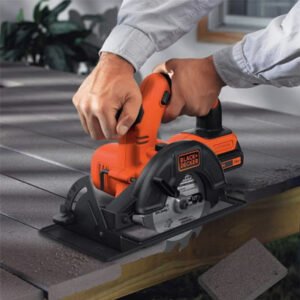
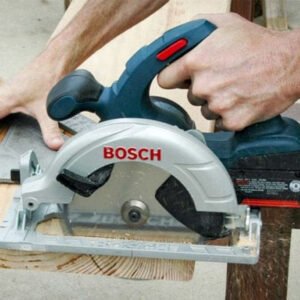
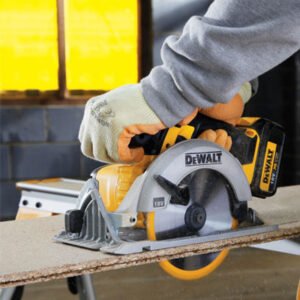
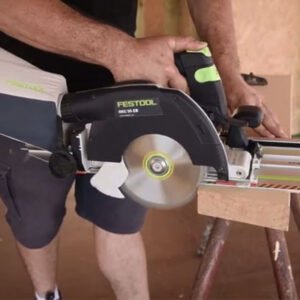
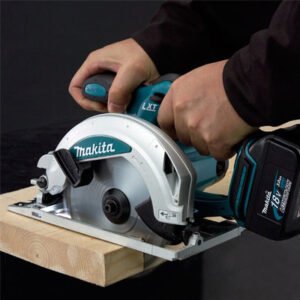
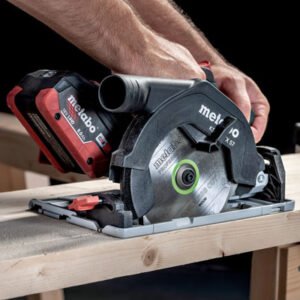


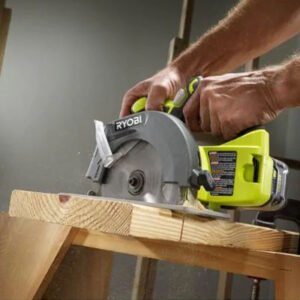
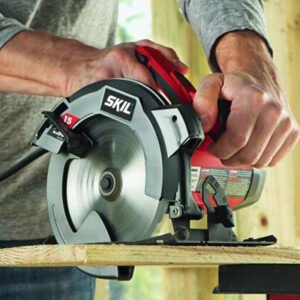

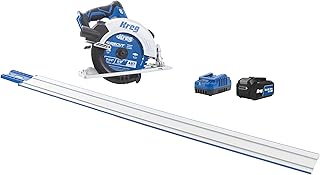

A cordless circular saw can be one of the most useful portable cutting tools for construction, renovation, woodworking, framing and general home improvement. The right model should do more than simply cut wood. It should provide a useful combination of cutting capacity, control, visibility, battery compatibility, ergonomics, durability and safety for the type of work you actually perform.
For Canadian buyers, the decision also deserves a little more attention because cordless tools are often purchased as part of a wider battery platform. A saw that looks inexpensive on its own may be less attractive if it requires a separate battery and charger, while a higher-priced bare tool can make more sense for someone who already owns compatible batteries from the same system.
This guide focuses on the factors that matter when comparing cordless circular saws sold in Canada in 2026. Rather than judging a saw from one specification alone, consider the complete tool: blade size, motor and electronic controls, cutting depth, bevel range, battery system, weight, balance, sightlines, adjustment mechanisms, included accessories and the manufacturer's wider cordless ecosystem.
Specifications are useful, but they do not tell the entire story. Two circular saws can have similar headline specifications while feeling very different during actual cutting. A practical comparison should therefore look at several characteristics together.
Blade diameter is one of the first specifications to check. Common cordless circular saws use blade sizes intended for different levels of work, with larger blades generally providing greater maximum cutting depth when the saw and blade design support it.
A larger blade is not automatically better. A compact saw may be easier to handle for sheet goods, trim-related work and overhead or awkward cuts. A larger framing-oriented saw may be preferable when regularly cutting dimensional lumber and thicker stock.
When comparing models, check the manufacturer's stated cutting capacity at both 90 degrees and common bevel settings. Cutting depth normally decreases when the blade is tilted for a bevel cut, so the maximum straight-cut capacity should not be treated as the capacity available in every situation.
Motor performance matters most when the blade encounters resistance. A saw with adequate power should maintain useful cutting performance without requiring the operator to force the tool through the material.
Brushless motors are particularly common in modern cordless power-tool platforms. Their advantages can include efficient use of battery energy, reduced maintenance associated with brush replacement and electronic control features, although the presence of a brushless motor alone does not guarantee that one saw will outperform every other model.
For demanding applications, look beyond marketing terminology and consider the saw's intended application, compatible battery system, blade specification, cutting capacity and documented operating characteristics.
Battery voltage is only one part of cordless-saw performance. Runtime, available power, battery capacity, cell technology, electronic controls and the efficiency of the complete tool system all influence how a saw performs away from an electrical outlet.
The battery platform can be even more important for an existing tool owner. Brands such as DeWalt, Makita, Milwaukee, Bosch, Ryobi and Metabo HPT offer cordless ecosystems in which compatible batteries can be shared across multiple tools, depending on the specific platform.
If you already own several cordless tools, staying within your existing battery ecosystem can reduce the need to purchase additional batteries and chargers. If you are starting from scratch, compare the circular saw with the broader range of tools you may eventually want rather than choosing a platform based solely on the saw.
Battery capacity is commonly expressed in amp-hours, but a larger capacity battery is not necessarily the best choice for every job. Higher-capacity packs can provide more usable energy but may add weight and change the balance of a handheld saw.
For repetitive framing or long cutting sessions, additional batteries can be more useful than relying on a single large pack. For occasional household projects, a lighter battery may make the tool more comfortable to use.
Runtime also varies significantly according to material, blade condition, cutting technique, battery condition and the amount of resistance placed on the motor. Avoid treating a manufacturer's runtime figure as a universal prediction for every user.
Blade position can influence visibility, balance and user preference. In a conventional side-winder design, the blade may sit on the left or right side of the motor housing. Neither configuration is universally superior.
For some users, blade placement provides a clearer view of the cut line depending on whether the saw is operated with the right or left hand. Others prefer a particular arrangement because it changes the perceived balance of the tool or how sawdust is directed.
Before buying, look closely at photographs and specifications to determine blade orientation. If possible, handle a comparable configuration in person. A theoretically excellent saw can still be a poor choice if its blade position feels awkward for your cutting style.
A circular saw becomes considerably more versatile when it offers a useful bevel range and an adjustment system that is easy to operate accurately.
Check how quickly the bevel mechanism can be adjusted and whether the scale is easy to read. A strong bevel system should lock securely rather than relying on a loose adjustment that can move during a cut.
Bevel stops can also be useful for repetitive work. If a project involves frequent angled cuts, a clearly marked and securely locking adjustment mechanism can save time while improving consistency.
Depth adjustment should be easy to reach and secure enough to prevent unintended movement. Correct blade depth is important for both cutting quality and safety.
For many wood-cutting applications, there is little reason to expose substantially more blade than the material requires. Setting the depth appropriately can help the tool work efficiently while limiting unnecessary blade exposure below the workpiece.
A powerful motor cannot compensate for poor visibility of the cutting path. The relationship between the blade, shoe markings and intended cut line deserves attention when comparing saws.
Look for clear reference marks on the shoe and a sightline that remains visible during cutting. Some users also appreciate an integrated work light, particularly when working in garages, unfinished rooms or other areas where ambient lighting is inconsistent.
Dust and chips can obscure the cut line, so the practical visibility of the saw matters more than a specification sheet suggests. The operator's position, blade orientation and material can all affect how clearly the cut can be followed.
The shoe, or base plate, supports the saw against the workpiece. Its rigidity and flatness contribute to stable cutting, particularly when guiding the saw across larger panels.
Aluminum shoes can offer a balance of rigidity and weight, while stamped metal designs may be selected for different cost and durability considerations. The important point is not simply the material name but how securely the shoe remains aligned with the blade and adjustment mechanisms.
When inspecting a model, consider whether the shoe appears robust enough for your intended workload, whether bevel adjustments maintain alignment and whether the saw slides smoothly across the material without catching.
A cordless circular saw is held and guided throughout the cut, so ergonomics can have a major effect on user fatigue. Weight should be considered together with battery weight because the battery may form a substantial part of the complete tool's mass.
Pay attention to handle shape, trigger position, grip texture and the distance between the primary and auxiliary handles. A comfortable saw should allow the operator to maintain control without excessive gripping force.
Balance is especially important when making cuts away from a large workbench or when starting a cut on a panel. A compact tool with a carefully distributed weight can feel easier to control than a heavier model even when both offer comparable headline specifications.
Safety should be part of the buying decision rather than an afterthought. Circular saws use rapidly rotating blades and should always be operated according to the manufacturer's instructions.
Never remove or disable a safety guard to make a cut easier. A circular saw should be used only when the blade, guard, shoe and other operating components are in appropriate working condition.
The saw itself is only half of the cutting system. Blade design has a major influence on cut quality, speed, noise, material suitability and the load placed on the motor.
Lower tooth-count blades are often associated with faster, more aggressive cuts, while higher tooth-count blades can be useful when a cleaner finish is more important. The appropriate choice depends on the material and desired result.
Do not assume that the blade supplied with a saw is the ideal blade for every project. When comparing a circular saw, confirm the supported blade diameter, arbor specification and any manufacturer restrictions before selecting alternatives.
Wood, plywood, framing lumber, engineered wood products and other materials can require different blade characteristics. Some materials can also generate more heat, dust or abrasive wear than ordinary dimensional lumber.
Using a blade designed for the material can reduce unnecessary strain and improve the finished cut. Always verify that a particular blade is suitable for the intended application and compatible with the saw.
Brushless technology is now widely represented in cordless power tools and is particularly attractive for users who expect frequent use. Electronic motor control can provide advantages in efficiency and performance management.
Brushed models can still be suitable for occasional users and less demanding applications. The choice should be based on the complete tool rather than assuming that motor type alone determines value.
If you expect to use a circular saw frequently for framing, renovation or professional work, it can make sense to give brushless models greater consideration, particularly when they belong to a battery platform you already use.
Traditional sidewinder designs and worm-drive-style circular saws differ in motor arrangement, balance and handling characteristics. The most suitable configuration depends heavily on the type of work and personal preference.
Many users looking for a general-purpose cordless saw prioritize compactness and familiar handling. Others working in demanding framing environments may prefer a design with characteristics associated with heavier-duty cutting.
Do not select a design solely because a particular style is marketed as professional. Consider the complete combination of cutting capacity, torque characteristics, weight, battery compatibility, visibility and ergonomics.
Framing places different demands on a saw than occasional DIY projects. Frequent cuts through dimensional lumber reward a tool with adequate cutting capacity, strong performance, good sightlines and durable adjustment hardware.
For framing, prioritize:
For professional framing, platform compatibility may be particularly important because the saw is unlikely to be the only cordless tool on the jobsite.
Occasional users do not necessarily need the largest or most powerful saw available. A lighter and easier-to-control model may be a better fit for cutting shelving, plywood, dimensional lumber and other common home-improvement materials.
DIY buyers should pay particular attention to complete kit contents. A lower tool-only price may not represent the actual cost if the user does not already own a compatible battery and charger.
For occasional work, a model that is comfortable, straightforward to adjust and supported by a broad battery ecosystem can provide more practical value than a specialized high-output saw.
Sheet goods require accurate guidance and manageable handling. A saw that is excessively heavy can become tiring during long cuts, while poor sightlines can make it harder to follow a marked line.
For plywood and panels, consider:
For exceptionally long or highly precise cuts, a compatible guide rail or straightedge system may be worth considering where the saw and accessory combination supports it.
Compact circular saws can be attractive for users who frequently work in confined areas or need a more maneuverable tool. Their smaller physical footprint can make them easier to position and carry.
The trade-off is cutting capacity. Before choosing a compact model, compare its maximum depth with the thicknesses of material you commonly cut. A compact saw is useful only if its capacity matches the job.
For cordless power-tool buyers, the battery ecosystem can influence long-term value more than a small difference in the purchase price of one saw.
DeWalt, Makita, Milwaukee, Bosch, Ryobi and Metabo HPT are examples of established power-tool brands with cordless product families. Each platform has its own selection of batteries, chargers and compatible tools, so prospective buyers should evaluate the wider ecosystem rather than comparing circular saws in isolation.
Consider the other tools you may eventually need, such as drills, impact drivers, reciprocating saws, grinders, lights, sanders and outdoor equipment where applicable. A circular saw can effectively become your entry point into a larger battery platform.
A bare tool is sold without the battery and charger required by many cordless platforms. This can be an efficient choice for users who already own compatible batteries.
A kit may be more practical for someone entering a battery platform for the first time. The initial purchase price can be higher, but the battery and charger are included rather than needing to be purchased separately.
When comparing Canadian listings, calculate the complete setup cost rather than comparing bare-tool prices against full kits. Also check exactly which battery, charger and accessories are included because kit configurations can differ.
A useful comparison should separate essential specifications from marketing features.
A higher nominal voltage does not automatically mean a circular saw is the best choice. Battery chemistry, electronics, motor design, blade selection and overall engineering also affect performance.
A circular saw that appears inexpensive as a bare tool may require a significant additional investment if you do not already own the required battery and charger.
A heavy-duty saw can be unnecessary for occasional household cutting. Additional power and size may come with extra weight, which can reduce comfort during lighter tasks.
The opposite mistake is selecting a compact model without checking whether it can cut the material used in your projects. Always compare actual cutting depth against the thickest material you expect to handle.
A saw is more useful when replacement blades suitable for your applications are readily obtainable. Check blade diameter, arbor requirements and the range of compatible blade types before committing to a model.
This creates an inaccurate value comparison. Compare like with like: bare tool against bare tool, or complete kit against complete kit.
Specifications cannot fully communicate how a saw feels in the hand. If possible, physically handle a comparable model before buying, particularly if you expect to use it for long sessions.
Before placing an order, review the manufacturer's current specifications and compare them with the retailer's listing. Product configurations can change, and marketplace listings may contain incomplete or inconsistent information.
Canadian buyers should compare the complete purchase rather than focusing on a single advertised price. Taxes, retailer-specific shipping policies, battery requirements and kit contents can change the final cost.
For buyers in colder regions, remember that battery performance can be affected by temperature. Lithium-ion batteries should be handled, stored and charged according to the manufacturer's instructions, especially when tools are moved between heated indoor spaces and cold garages or jobsites.
Availability can also differ between Canadian retailers and regions. A model that appears in one listing may not have the same kit configuration elsewhere, so always compare exact model numbers.
Regular maintenance helps preserve cutting accuracy and safe operation.
Sawdust and debris can accumulate around the shoe and adjustment mechanisms. Clean the tool according to the manufacturer's instructions so the base remains able to move smoothly across the workpiece.
A dull, damaged or inappropriate blade can make cutting harder and may increase the load placed on the saw. Replace blades when they are no longer suitable for the intended application.
The lower guard should move freely and return as intended. Do not continue using a saw if a critical safety component is damaged or malfunctioning.
Follow the manufacturer's guidance for keeping battery and tool interfaces clean and dry. Do not use damaged batteries or continue using equipment that shows signs of electrical or physical damage.
Protect the saw from unnecessary moisture, impact and contamination. Batteries should be stored according to the manufacturer's recommendations rather than exposed to inappropriate temperatures or conditions.
The quality of a cut depends on more than saw power. Mark the workpiece carefully, support the material correctly and select a blade appropriate to the desired finish.
For sheet materials where tear-out is a concern, consider a blade designed for cleaner cuts. Keep the saw moving at a controlled rate instead of forcing it through the material. Let the blade perform the cutting while maintaining stable pressure and alignment.
Proper support is particularly important. A panel that moves or closes on the blade can affect both the cut and the safe operation of the tool.
Cordless models offer mobility and eliminate the need to manage an extension cord during the cut. This can be especially useful on jobsites, outdoor projects, unfinished structures and locations where electrical access is inconvenient.
Corded circular saws can remain attractive for users who perform long cutting sessions in a fixed workshop environment. They do not require battery charging, and the operator can work continuously as long as suitable electrical power is available.
The better choice depends on your workspace and workflow. If portability and cordless convenience are priorities, a battery platform may be worthwhile. If the saw will live beside a workbench and be used for extended cutting sessions, corded equipment can still make practical sense.
A standard circular saw is a highly versatile general-purpose cutting tool. A track saw is designed around guided cutting and can provide a more controlled approach to long, straight cuts when the appropriate track system is available.
For occasional construction and general DIY tasks, a circular saw can cover a wide range of jobs. For cabinetmaking, furniture work or repeated precision sheet cutting, a guided system may offer advantages worth considering.
Some circular saws can also be used with compatible guides or straightedges. Check compatibility before assuming that a particular guide system will work with a specific saw.
These tools serve different purposes. A circular saw is primarily intended for controlled straight cuts, while a reciprocating saw is useful for rougher demolition, plunge-style work and cutting in locations where a circular blade cannot easily be positioned.
They are complementary rather than direct substitutes. Many serious DIY and professional users eventually find value in having both tools available.
A higher-end model can make sense when the saw is used frequently enough for improvements in ergonomics, cutting performance, adjustment quality, battery integration or durability to provide meaningful value.
For occasional users, however, the additional investment may be difficult to justify. If the saw is used only a few times per year, prioritize the features you actually need and avoid paying for capabilities that will remain unused.
A budget-oriented saw can be appropriate for light DIY tasks, provided its specifications match the job and the tool comes from a reputable manufacturer with appropriate documentation and support arrangements.
Do not compromise on essential safety components simply to reduce purchase cost. A less expensive tool is not a good value if its capacity, ergonomics or build quality are unsuitable for the work.
Customer reviews can provide useful information, but they should be interpreted carefully. Look for recurring comments rather than relying on one extremely positive or negative review.
Reviews are particularly useful for identifying practical issues that specification sheets may not explain, such as perceived balance, visibility of the cut line, ease of changing blades, battery placement, adjustment usability and long-term convenience.
Separate comments about the tool itself from complaints about shipping, packaging or retailer-specific service. Also check the exact model number because similar-looking products can have substantially different specifications.
Value is not simply the lowest purchase price. A useful calculation considers the complete ownership setup, including the tool, batteries, charger, blades and accessories that are actually required.
A more expensive saw may represent better value for a frequent user if it provides the characteristics needed for demanding work. Conversely, a simpler model can be the better purchase for someone who performs only occasional cuts.
The strongest buying decision is therefore the one that matches the saw to the workload instead of paying for specifications that do not contribute to the intended use.
There is no single best cordless circular saw for every Canadian buyer. The right choice depends on material thickness, cutting frequency, required cutting capacity, battery platform, budget, ergonomics and the type of work being performed.
A brushless model can be an attractive choice for frequent cordless-tool users because of its motor technology and potential efficiency advantages. For occasional DIY use, however, overall specifications and suitability matter more than the motor label alone.
If you already own compatible batteries, a bare tool can be convenient. If you are entering a new cordless platform, a complete kit may be more practical. Always compare the total cost of the required tool, battery and charger.
Choose a blade size based on the thickness of material you need to cut and the saw's stated cutting capacity. A larger blade can provide greater depth, while a smaller saw may offer easier handling.
Many cordless circular saws are designed for demanding wood-cutting applications, but suitability depends on the specific model, battery, blade and material. For framing, compare cutting capacity and documented performance rather than relying on voltage alone.
Yes, provided the saw and blade are suitable for the material. For cleaner plywood cuts, blade tooth configuration and proper support can be particularly important.
No. The blade must match the saw's permitted diameter, arbor specification and application requirements. Always confirm compatibility before installing a replacement blade.
There is no universal runtime. Battery capacity, material, blade condition, cutting depth, cutting speed and workload all affect energy consumption. Consider carrying a second compatible battery when uninterrupted work is important.
No. Voltage alone does not determine overall cutting performance. Motor design, electronics, battery technology, blade selection, weight and the complete tool design also matter.
Choose the configuration that provides comfortable handling and a clear view of your cut line. Blade orientation is partly a matter of user preference and operating position.
For general renovation work, prioritize versatile cutting capacity, manageable weight, good visibility, secure depth and bevel adjustments, suitable blade compatibility and a battery platform that fits your other tools.
It can be, depending on the application. A professional may prefer a compact saw for specific tasks where maneuverability matters, while using a larger saw for thicker or more demanding cuts.
Not necessarily. A circular saw is more versatile for general construction and DIY work. A track saw becomes more attractive when repeatable guided cuts and sheet-good accuracy are major priorities.
There is no fixed replacement interval. Replace or sharpen a blade when it becomes unsuitable for the intended work, damaged or excessively dull. Cutting performance, material and blade type all influence service life.
Use a blade appropriate for clean sheet-good cuts, support the workpiece properly and maintain a steady cutting motion. A guide system can also help when long, straight cuts need greater consistency.
They can be used safely when operated correctly, but they are powerful cutting machines and require appropriate precautions. Follow the manufacturer's instructions, keep guards functional, use suitable blades and protective equipment, and secure the workpiece properly.
The best cordless circular saw is the model that fits the work rather than the one with the longest specification list. Start with your material thickness and application, then consider cutting capacity, blade compatibility, battery platform, weight, ergonomics and adjustment quality.
For Canadian buyers, pay particular attention to the complete kit configuration and battery ecosystem. If you already use a cordless platform from DeWalt, Makita, Milwaukee, Bosch, Ryobi or Metabo HPT, compatibility can be a major factor in long-term value. If you are buying your first cordless tools, compare the broader ecosystem before committing to a single battery system.
Finally, verify the exact model number, current specifications, included accessories and current retailer information before purchasing. Product configurations and availability can change during 2026, so the most useful comparison is always based on the specific Canadian listing you are considering rather than a generic product family.