

♥ Wishlist


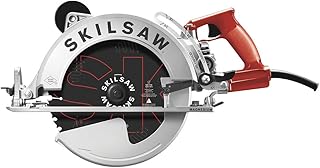
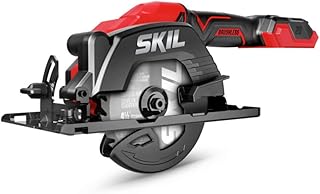
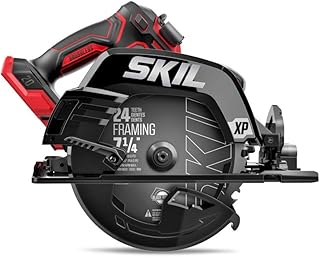


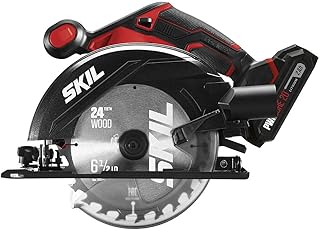


Skil cordless circular saws are designed for shoppers who want the mobility of battery power without being tied to an electrical outlet. For Canadian DIY users, renovators, woodworkers and construction professionals, a cordless circular saw can make repeated cuts easier to manage when moving around a workshop, garage, renovation site or outdoor work area. The right model depends less on choosing the most powerful-looking specification and more on matching the saw to the materials, cutting depth, workload and battery system you expect to use.
One of the first specifications to compare is blade diameter. Skil cordless circular saws are available in different configurations, including compact options and larger saws intended for broader cutting applications. Blade size influences potential cutting depth, but it should never be considered in isolation. Check the manufacturer's published cutting capacity at both 90-degree and bevelled settings to make sure the saw can handle the thickness of the materials you commonly cut.
Battery compatibility is equally important. A cordless saw may be offered as a bare tool or as a complete kit containing a battery and charger. If you already own compatible Skil cordless tools, a bare-tool configuration may help avoid buying duplicate charging equipment and batteries. If you are building a cordless tool collection for the first time, compare the complete kit rather than looking only at the advertised saw price.
Motor technology is another useful point of comparison. Brushless cordless circular saws are commonly valued for efficient operation, reduced mechanical wear and electronic motor management, while brushed models can provide practical performance for occasional DIY applications. Brushless technology does not automatically make a saw the right choice for every Canadian buyer, so consider how often the tool will be used and whether the additional investment is worthwhile for your workload.
Bevel adjustment can also expand the usefulness of a circular saw. Adjustable bevel capability allows angled cuts for applications such as framing, trim, woodworking and renovation work. When comparing models, look at the maximum bevel range as well as the adjustment mechanism itself. A clear scale and secure locking system can make repeated angle changes easier and more consistent.
Blade selection has a major effect on cutting results. A general-purpose blade can be useful for common construction work, while a higher-tooth-count blade may be better suited to applications where a cleaner edge is important. Always match the blade to the material and confirm that its diameter and specifications are compatible with the selected saw. A suitable blade can help a cordless circular saw cut more effectively and reduce unnecessary strain on the tool.
Ergonomics should not be overlooked, especially if you expect to make many cuts in one session. Weight distribution, handle design, trigger placement and battery position all affect how a cordless circular saw feels during use. A well-balanced tool can be easier to guide accurately than a lighter tool with poor weight distribution. If you already own several compatible batteries, remember that different battery capacities can change the balance and handling of the saw.
Canadian working conditions can also influence cordless-tool decisions. Battery performance can vary with temperature, so batteries should be stored and operated according to the manufacturer's recommendations, particularly during colder seasons. For outdoor projects, portability can be a major advantage because there may be no convenient electrical outlet nearby. At the same time, keeping a charged spare battery available can help reduce interruptions during longer cutting sessions.
Safety should remain a priority when choosing and using any circular saw. Check that the blade guard operates correctly, the base remains stable and the handle provides a secure grip. Use the blade size and type specified for the tool, support the workpiece properly and keep hands away from the cutting path. Eye protection is important, while hearing and respiratory protection may also be appropriate depending on the work environment and material being cut.
For Canadian DIY projects, a compact or mid-size Skil cordless circular saw may be a practical choice for shelving, repairs, garden structures, sheet goods and general woodworking. Renovation users may prefer greater cutting capacity, bevel versatility and battery runtime. Framing and construction users should place greater emphasis on motor design, battery performance, durability, balance and total cost of ownership.
Before buying, compare the exact model specifications rather than relying only on the product name. Check blade diameter, cutting depth, bevel range, motor type, battery platform, included battery and charger, tool weight and included blade. Customer reviews can provide useful real-world observations about handling and runtime, but recurring review patterns should be considered alongside manufacturer specifications.
Whether you need a cordless circular saw for occasional home projects or frequent construction work, the best Skil model is the one that fits your actual cutting requirements. Compare the available options, identify the features you cannot compromise on and choose the configuration that gives you the right balance of cutting capability, portability, battery convenience and value.
Find the right Skil cordless circular saw for cutting wood, sheet materials, framing lumber and other common project materials. This category brings together cordless Skil circular saw options so Canadian shoppers can compare blade size, cutting capacity, motor design, battery configuration, bevel adjustment, ergonomics and included accessories before choosing a model. Whether you are tackling home repairs, woodworking, renovation work or regular construction tasks, comparing the complete tool configuration can help you select a saw that fits the way you actually work.