
♥ Wishlist





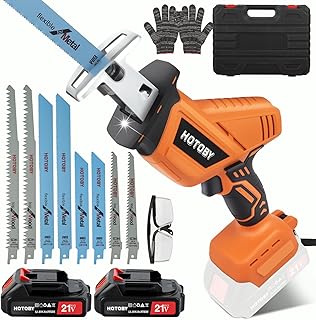


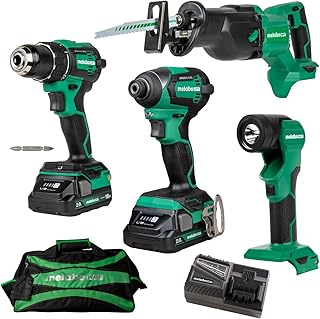


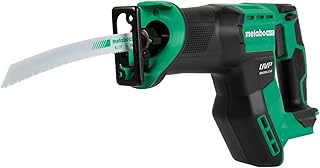

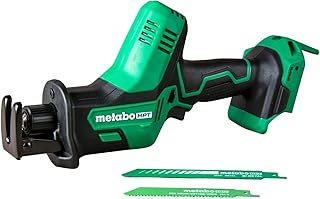
Metabo HPT cordless reciprocating saws are designed for cutting tasks where portability, access, and fast material removal matter. A reciprocating saw uses a back-and-forth blade motion to cut through a range of materials, making it useful for renovation, construction, demolition, maintenance, and workshop projects. Without a power cord restricting movement, a cordless model can be especially convenient when working in unfinished spaces, outdoors, or in areas where access to an electrical outlet is limited.
When choosing a Metabo HPT cordless reciprocating saw in Canada, start by considering the type of work you expect to perform most often. A saw intended for frequent demolition may benefit from strong cutting performance, a suitable stroke length, variable-speed control, and an ergonomic design that remains manageable during extended use. For lighter renovation and maintenance work, factors such as compact size, balance, visibility around the blade, and ease of handling may be equally important.
Reciprocating saws are versatile because the blade can be changed to suit different materials and applications. Depending on the blade selected, the tool can be used for cutting wood, metal, plastics, construction materials, and other suitable materials. This flexibility makes a reciprocating saw a useful addition to a cordless tool collection, particularly for jobs that involve irregular cuts or materials that are difficult to reach with larger saws.
Consider the dimensions of the spaces where you will work. A compact cordless reciprocating saw can be easier to manoeuvre between framing members, inside cabinets, around pipes, or in other restricted areas. A more powerful configuration may be preferable when the priority is rapid cutting through demanding materials. The best choice depends on the balance between cutting performance, portability, runtime, and user comfort.
Stroke length affects how far the blade travels during each cycle and can influence cutting characteristics. Variable-speed control provides greater control when starting a cut or working with materials that require a more measured approach. A tool-free blade-change mechanism can make switching blades faster, while an adjustable shoe can help provide useful support against the material during cutting.
Ergonomics are also worth considering. A well-balanced saw can be easier to control, especially when cutting overhead or working for longer periods. Look at the grip, trigger arrangement, overall size, and weight with the battery installed. These details can have a significant effect on day-to-day usability even when two cordless saws have similar headline specifications.
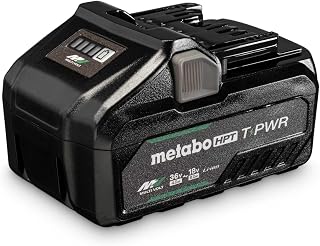
Cordless operation is one of the main reasons to choose a battery-powered reciprocating saw. Instead of managing an extension cord, you can move the tool between work areas more freely. Battery runtime will depend on factors such as the battery capacity, material being cut, blade selection, cutting technique, and workload. If you already use compatible cordless tools, staying within the same battery platform can also simplify charging and battery management.
Canadian shoppers should consider the availability of compatible batteries and chargers when comparing a tool-only configuration with a kit. A bare tool can make sense if you already have the appropriate battery system, while a kit may be more convenient for someone starting or expanding a cordless collection. Always confirm the battery and charger requirements for the specific model before purchasing.
A reciprocating saw can be particularly useful for demolition and renovation because the blade can reach areas where a circular saw or mitre saw may not be practical. Common tasks can include cutting framing components, trimming lumber, removing sections of material, cutting suitable metal components, and performing rough cutting work during renovation. The tool can also be useful for maintenance and repair applications where access and portability are priorities.
Blade selection is essential. Use a blade designed for the material and application, and replace worn or damaged blades promptly. The correct blade can improve cutting efficiency and control while helping the saw perform as intended. Follow the manufacturer's instructions for safe operation, blade installation, and compatible applications.
Rather than choosing a saw based on a single specification, compare the complete set of features against your typical workload. Consider cutting speed, stroke characteristics, variable-speed control, tool-free adjustments, ergonomics, battery compatibility, and overall portability. Think about whether your priority is demolition, general construction, renovation, maintenance, or occasional DIY work.
For Canadian buyers, practical considerations can also include the availability of replacement blades, batteries, chargers, and other accessories. A cordless reciprocating saw is an investment in versatility, so selecting a configuration that matches your existing tools and expected applications can help you get more value from the purchase.
Before ordering, identify the materials you will cut most frequently, the locations where you will use the saw, and how often the tool will be used. Choose blades appropriate for those materials and check the specifications of the exact model for battery requirements and included accessories. If portability is important, pay close attention to the tool's size and weight. If demanding cutting is the priority, focus more closely on the saw's cutting performance and control features.
Whether you are preparing for a renovation, handling demolition work, maintaining a property, or adding another versatile tool to your workshop, a Metabo HPT cordless reciprocating saw can provide convenient cutting without the limitations of a power cord. Compare the available options carefully and choose the combination of performance, control, battery compatibility, and ergonomics that best matches your work.
Find the right Metabo HPT cordless reciprocating saw for renovation, construction, demolition, maintenance, and general cutting work. Compare cordless designs and key features to choose a practical saw for your Canadian jobsite or workshop.