

Explore cordless power tools, kits, batteries, chargers, accessories and related equipment available to Canadian shoppers. Compare product options and follow useful buying guides before you buy.


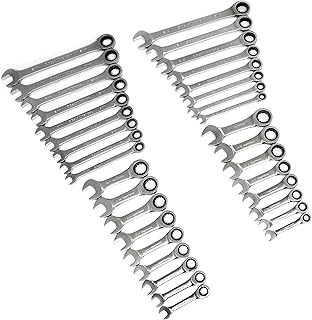


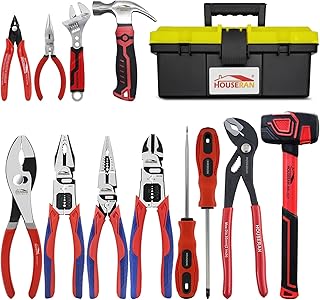


Choosing the best hand tools in Canada requires more than comparing brand names or counting the number of pieces in a kit. The right tool depends on the work you plan to do, the materials involved, how frequently you will use it, and the level of precision and durability you expect. A homeowner assembling furniture has different requirements from a contractor, mechanic, electrician, carpenter, or serious DIY user.
For Canadian buyers, it is also worth considering tool availability, metric sizing, cold-weather storage, replacement parts, warranty terms, and compatibility with commonly used fasteners and materials. Brands such as Milwaukee, DeWalt, Stanley, Craftsman, Klein Tools, Makita, Bosch, Wera, Knipex, and Husky offer different combinations of performance, ergonomics, durability, and price.
The best hand tool is not necessarily the most expensive model. It should provide the right combination of strength, control, comfort, accuracy, and serviceability for the intended job. Before buying, consider the following factors.
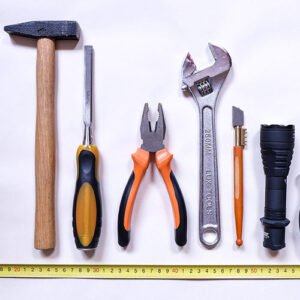
Start with the tasks you perform most often. General household maintenance may require screwdrivers, pliers, adjustable wrenches, a hammer, tape measure, utility knife, hex keys, and basic sockets. Automotive work typically calls for a broader selection of sockets, ratchets, extensions, combination wrenches, pliers, torque tools, and specialty accessories.
Woodworking requires dependable measuring and marking tools, chisels, clamps, saws, planes, screwdrivers, and striking tools. Electrical work has different requirements, including insulated tools designed for the appropriate applications. Plumbing, construction, renovation, and outdoor maintenance each benefit from specialized hand tools.
Tool material directly affects strength, wear resistance, corrosion resistance, and service life. Many quality hand tools use forged steel or alloy steel for load-bearing components. Chrome vanadium steel is common in sockets, ratchets, and wrenches because it can provide a useful combination of toughness and durability.
Look beyond the material name. The manufacturing process, heat treatment, machining accuracy, surface finish, handle design, and quality control can also influence performance. A tool made from a suitable steel but manufactured poorly may not perform as well as a properly engineered tool from an established manufacturer.
Comfort becomes increasingly important when a tool is used for extended periods. Handles should provide a secure grip without creating unnecessary pressure points. Pliers, screwdrivers, cutters, and ratchets should allow controlled movement while reducing excessive strain on the hand.
For frequent professional use, ergonomics can be just as important as raw strength. A tool that is difficult to grip or awkward to position may slow down work and encourage poor technique.
Size compatibility is essential. Using a socket or wrench that does not properly fit the fastener can damage the fastener and increase the chance of slipping. Canadian buyers should pay attention to both metric and SAE sizing when working on vehicles, machinery, imported equipment, or older hardware.
If your projects involve a mixture of equipment, a kit containing both measurement systems may be more practical than purchasing only one standard.
For sockets and ratchets, drive size matters. Common drive sizes include 1/4-inch, 3/8-inch, and 1/2-inch. Smaller drives are useful for lighter-duty applications and tighter spaces, while larger drives are generally intended for higher-load applications.
Also examine how securely sockets connect to the ratchet and whether the system supports extensions, universal joints, adapters, and other accessories. A well-designed system can provide greater flexibility than a collection of unrelated tools.
A practical screwdriver collection should cover common Phillips, slotted, Torx, and other relevant profiles. Magnetic tips can make it easier to position small fasteners, while precision screwdrivers are useful for electronics and small mechanical components.
For demanding applications, consider shaft construction, tip hardness, handle grip, and resistance to twisting. Wera, Wiha, Klein Tools, Milwaukee, DeWalt, and Stanley are among the brands commonly considered by buyers looking for different screwdriver configurations.
Pliers perform many different jobs, so one design cannot replace every type. Combination pliers are useful for general work, while long-nose pliers provide better access in confined areas. Locking pliers can hold objects securely, and diagonal cutters are designed primarily for cutting suitable wire and similar materials.
For professional use, jaw alignment, cutting capacity, grip design, hinge construction, and corrosion resistance deserve close attention. Knipex is particularly well known for its range of pliers, while Klein Tools is widely associated with electrical hand tools.
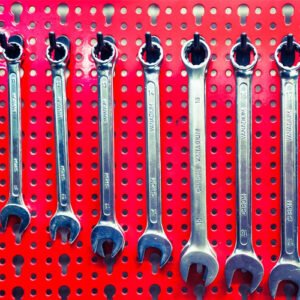
Combination wrenches, adjustable wrenches, box-end wrenches, open-end wrenches, and specialty designs each have specific advantages. A combination wrench offers an open end and a closed end, making it useful for a broad range of mechanical tasks.
When comparing wrenches, inspect the accuracy of the working surfaces, thickness around the jaws, accessibility in confined spaces, and finish quality. Thin-profile designs can be advantageous where clearance is limited.
A good socket set can become one of the most useful parts of a hand tool collection. Look for a useful selection of metric sizes, appropriate drive sizes, extensions, adapters, and a ratchet with a practical mechanism.
Do not choose a socket set solely because it contains a very large number of pieces. A smaller, thoughtfully selected set can be more useful than a large kit filled with duplicate or rarely used accessories.
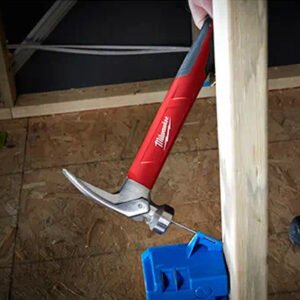
Hammer selection should match the material and task. A general claw hammer may be appropriate for household and carpentry work, while ball-peen hammers are commonly associated with metalworking. Rubber and dead-blow designs can be useful when reducing surface damage or controlling rebound is important.
Pay attention to head weight, handle construction, balance, grip, and intended use. Never substitute an inappropriate hammer simply because it is available.
Accurate measurements are fundamental to construction, renovation, woodworking, installation, and repair. A dependable tape measure is an essential starting point, while squares, levels, rulers, calipers, and marking tools may be necessary for more precise work.
Check whether the scale is metric, imperial, or dual-marked. For Canadian users working across different projects, dual-scale measurement can be particularly convenient.
Hex keys and Torx tools are frequently used in furniture, bicycles, machinery, automotive components, appliances, and equipment. A complete set should provide a useful range of sizes rather than focusing only on the most common few.
Ball-end hex keys can provide access at an angle, but straight ends are generally better suited to applications where maximum engagement and controlled torque are required.
Buying a complete set can be economical when starting from scratch. Sets can also simplify storage and provide a consistent selection of sizes. However, a set may contain tools you rarely use while omitting specialty tools required for your specific projects.
Buying individual tools makes more sense when you already own a basic collection. You can gradually replace weaker tools and invest more heavily in frequently used items.
Metric tools are essential for many modern Canadian applications, but SAE sizes remain relevant for certain vehicles, machinery, imported products, older equipment, and specialized applications. Before purchasing a wrench or socket collection, check the fasteners used on the equipment you actually maintain.
If you work on a wide range of equipment, a combination of metric and SAE tools can provide better coverage. Avoid forcing one size onto a fastener simply because it appears close enough. Even a small mismatch can increase the risk of rounding the fastener.
A 200-piece kit is not automatically better than a 100-piece kit. Piece counts can include adapters, duplicates, bits, or sizes that have limited practical value. Evaluate the actual contents instead.
Incorrectly sized sockets and wrenches can damage fasteners. Check the exact measurements before purchasing and consider which standards your equipment uses.
Budget tools can be suitable for occasional light tasks, but frequent professional use places greater demands on materials, mechanisms, handles, and working surfaces. Consider the total cost of ownership rather than only the initial purchase price.
A tool collection is easier to use when every item has a designated location. Cases, trays, organizers, tool bags, and drawers can reduce misplaced tools and make it easier to identify missing sizes.
Specialty tools can be extremely useful for the right application but unnecessary for general maintenance. Build a core collection first, then add specialized equipment when a recurring task justifies it.
When comparing products, consider more than brand reputation. Look at the exact model, construction materials, dimensions, included sizes, drive system, handle design, intended application, and manufacturer specifications.
Customer feedback can also reveal practical issues that are not obvious from specifications. When reading verified customer reviews, look for repeated comments about fit, durability, ergonomics, finish quality, mechanism performance, and long-term use rather than relying on isolated opinions.
Established manufacturers can offer broad product ranges and established service networks, but brand recognition alone should not determine the purchase. Compare the specific product line and model against competing options.
Brands frequently considered in different Canadian hand tool categories include Milwaukee, DeWalt, Stanley, Craftsman, Husky, Klein Tools, Knipex, Wera, Wiha, GearWrench, Channellock, and Makita. Availability and product selection can vary by retailer and region.
Before purchasing, read the manufacturer's current warranty terms carefully. Coverage can differ between product categories and regions. Check what is covered, how claims are handled, whether registration is required, and whether exclusions apply.
An advertised warranty should not be treated as a substitute for examining the tool's construction and suitability for your application.
A homeowner's collection should prioritize versatility. A useful starting selection can include screwdrivers, pliers, adjustable and combination wrenches, a hammer, tape measure, utility knife, hex keys, a level, and a basic socket set.
For apartment maintenance, compact storage may matter more than an extensive workshop collection. Homeowners who regularly perform renovations may benefit from expanding into clamps, specialty screwdrivers, chisels, saws, files, and additional measuring tools.
Automotive work often requires a broader range of sockets and wrench sizes. Metric coverage is particularly important for many modern vehicles, although SAE tools may still be necessary depending on the vehicle and component.
A useful automotive collection can include ratchets in multiple drive sizes, sockets, extensions, combination wrenches, pliers, screwdrivers, hex and Torx tools, breaker bars, and appropriate measuring equipment. Torque-sensitive fasteners should be handled with a suitable torque wrench and the manufacturer's specifications.
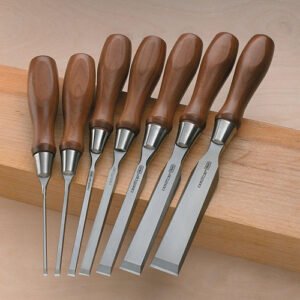
Woodworkers should prioritize precision, edge quality, control, and compatibility with the materials being worked. Chisels, hand saws, planes, marking gauges, squares, clamps, screwdrivers, knives, and measuring tools can all play important roles.
Sharp cutting tools should be handled carefully and maintained appropriately. A dull edge can require more force and reduce control, while an inaccurate measuring or marking tool can affect the entire project.
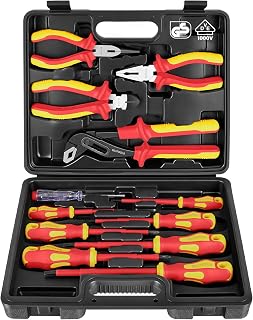
Electrical applications require particular attention to tool suitability and safety. Look for tools designed for the intended electrical work and follow applicable safety procedures and local requirements.
Insulated tools are not interchangeable with ordinary tools simply because the handles appear similar. Always check the manufacturer's specifications and ratings for the specific application.
Proper maintenance can help preserve tool performance. Keep tools clean and dry after use, especially when they have been exposed to moisture, dirt, chemicals, or corrosive environments.
Canadian winters can create additional storage considerations. Moving tools repeatedly between heated indoor spaces and cold environments can expose metal surfaces to condensation. Keeping tools dry and storing them in an appropriate environment can help reduce corrosion.
Toolboxes and storage cabinets should also be protected from excessive moisture. If tools are stored in an unheated garage, inspect them periodically for signs of rust or condensation.
Rather than purchasing everything at once, build your collection around your most common tasks. Start with versatile tools and expand as your projects become more specialized.
Higher pricing can sometimes reflect better materials, tighter manufacturing tolerances, improved ergonomics, stronger mechanisms, more durable finishes, or better quality control. However, a premium tool is worthwhile only when those advantages matter to your intended use.
For occasional household tasks, a dependable mid-range tool may provide excellent value. For daily professional work, durability and comfort can justify spending more on frequently used tools.
Compare the exact model number rather than comparing product names alone. Different versions of a similar tool can have different materials, included accessories, sizes, mechanisms, or warranty terms.
Check current specifications and read verified customer reviews before purchasing. Prices and availability can change, so compare current retailer listings rather than relying on an old advertised price. For larger tool sets, calculate the value of the individual pieces you are most likely to use rather than placing too much emphasis on the total piece count.
The best hand tools in Canada are the ones that match your work, fit your fasteners correctly, provide reliable control, and can withstand the level of use you expect. A carefully selected collection is generally more useful than a large assortment chosen only for its piece count.
For most buyers, the strongest approach is to identify the tools used most frequently, compare construction and ergonomics, verify metric or SAE requirements, examine the exact specifications, and review current customer feedback. Homeowners can prioritize versatility, while professionals should give greater weight to durability, comfort, precision, and long-term serviceability.
Whether you are assembling a first toolbox, upgrading an existing workshop, maintaining a vehicle, completing renovations, or equipping a professional workspace, compare the specific tool against your actual requirements before making a purchase. The right combination of core tools and carefully selected specialty equipment can make everyday repair and maintenance work faster, safer, and more consistent.
A practical home toolbox commonly includes screwdrivers, pliers, adjustable and combination wrenches, a hammer, tape measure, utility knife, hex keys, a level, and a basic socket set. The ideal selection depends on the type of maintenance and DIY work you perform.
No. Price alone does not determine tool quality. Compare materials, construction, ergonomics, accuracy, intended application, manufacturer specifications, and customer feedback. Premium tools can make more sense for frequent or demanding use, while occasional users may find strong value in dependable mid-range products.
Metric tools are essential for many applications, but SAE tools remain useful for certain vehicles, machinery, imported products, and older equipment. If you work with different types of hardware, owning both systems can provide broader coverage.
It can be, particularly when starting a new toolbox. However, compare the actual contents rather than relying on the advertised piece count. A smaller kit containing the sizes and tool types you regularly use may provide better practical value.
Brands such as Milwaukee, DeWalt, Stanley, Craftsman, Husky, Klein Tools, Knipex, Wera, Wiha, GearWrench, Channellock, and Makita offer hand tools across different categories. Compare the exact product rather than choosing solely on brand recognition.
Store tools in a clean, dry environment and protect them from unnecessary moisture. In colder areas, pay particular attention to condensation when tools move between cold and heated environments. Regular inspection can help identify corrosion or damage early.
There is no universal replacement schedule. Replace a tool when it becomes damaged, excessively worn, distorted, unreliable, or unsuitable for safe use. Frequently used tools may require attention sooner than tools used only occasionally.
Look for repeated feedback about fit, durability, grip comfort, mechanism quality, accuracy, finish, and long-term use. Give greater weight to detailed verified customer reviews than to isolated comments or claims that cannot be independently assessed.
Start with the specific tasks and environment. Evaluate durability, ergonomics, precision, size coverage, compatibility, storage, and manufacturer specifications. For tools used continuously, comfort and reliability can be especially important because small ergonomic differences become more noticeable over extended periods.
Choose a set when you need a broad collection quickly and the included tools match your requirements. Choose individual tools when you already own a basic collection or need higher-quality or specialized equipment for particular tasks.