

♥ Wishlist
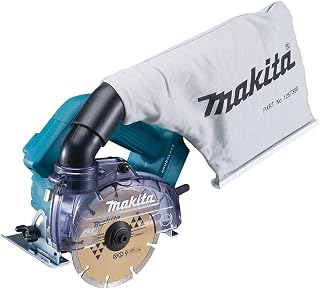


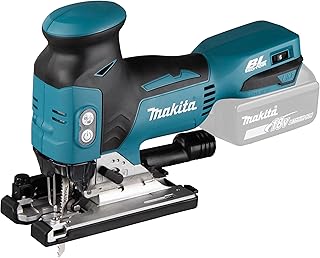


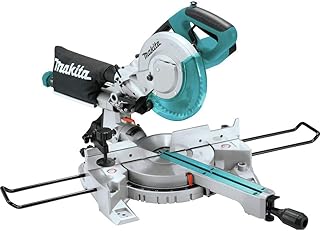

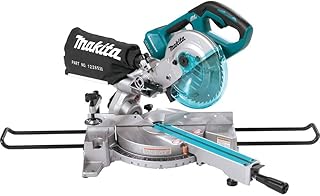


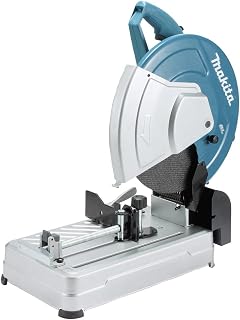
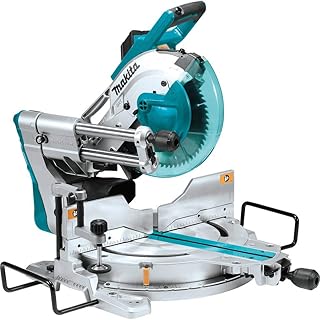
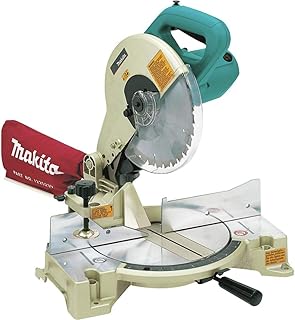


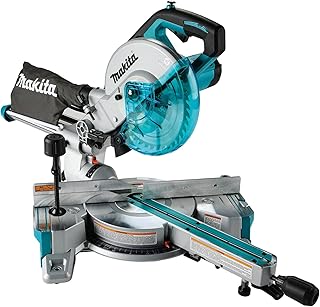
Makita cordless mitre saws combine the familiar precision of a mitre saw with the freedom of battery power. For Canadian contractors, remodelers, trim carpenters, framers and serious DIY users, a cordless model can make it easier to move between the workshop, garage and jobsite without relying on a nearby electrical outlet. This category brings together Makita cordless mitre saw options and related products so you can compare specifications and identify the setup that fits your work.
The right saw depends on more than blade diameter. Consider the type of material you cut, the size of your workpieces, the angles you use most often, available workspace and the battery platform already in your tool collection. Makita options represented in this category include compact 6-1/2-inch models, 7-1/2-inch saws, 10-inch and 12-inch sliding designs, as well as 18V LXT configurations that use two batteries for higher-voltage operation. Product availability and configurations can vary, so check the individual listing for current specifications before purchasing.
Compact mitre saws are useful when portability and workspace efficiency are priorities. A smaller blade can be a practical choice for trim work, smaller dimensional lumber, installation tasks and DIY projects where a large saw would take up unnecessary room. Models such as the compact 6-1/2-inch class can be particularly appealing for users who regularly transport their equipment between locations.
Sliding mitre saws add a rail mechanism that allows the blade to travel through wider workpieces. This can make them a better fit for applications involving larger boards, framing components, shelving materials and other pieces that exceed the crosscut capacity of a compact saw. If your projects frequently involve wider stock, compare the listed crosscut capacity rather than choosing solely by blade size.
Dual-bevel capability can save time when producing angled cuts from opposite directions. Instead of repeatedly repositioning the workpiece, you can adjust the saw to the required bevel orientation. This feature is especially useful for detailed trim, moulding, cabinetry and compound cuts where repeatability matters. Always confirm the stated bevel and mitre ranges for the specific model you are considering.
Battery compatibility should be one of the first checks before buying a cordless mitre saw. Makita models in this category include 18V LXT products as well as 18V x2 configurations that use two batteries to provide a higher-voltage power system. If you already own compatible Makita batteries and chargers, a bare-tool configuration may be an economical way to expand your workshop. If you are entering the platform for the first time, compare the cost of the complete tool, batteries and charger rather than looking only at the advertised tool price.
When comparing Makita cordless mitre saws, pay attention to blade diameter, cutting capacity, sliding functionality, bevel adjustment, mitre range, motor technology, electric braking, lighting or laser guidance, portability and dust-management provisions. Some models also incorporate Makita technologies designed to optimise cutting performance and control. These features can make a meaningful difference, but their value depends on how you intend to use the saw.
Blade size is particularly important. A larger blade can provide greater cutting capacity, while a compact blade may make the saw easier to transport and store. A sliding mechanism can extend the usable crosscut width, but it can also increase the physical footprint of the tool. For a small Canadian workshop or mobile installation crew, that trade-off may be important.
Cordless operation can be useful on renovation sites, unfinished buildings, outdoor projects and remote work areas where mains power is inconvenient. Without a power cord running across the floor, setup can also be simpler when the saw needs to move between cutting stations. However, cordless performance depends on battery condition, capacity, workload and the specific saw, so keep the manufacturer's recommendations in mind when planning extended cutting sessions.
For professional users, portability should be considered alongside capacity. A 12-inch sliding model may provide substantial cutting capability, but a compact model can be easier to carry repeatedly. For occasional DIY use, a smaller saw may provide a better balance of capability, storage requirements and overall cost. Comparing the complete specifications against your typical projects is a better approach than assuming the largest model is automatically the best choice.
Before choosing a model, identify the materials and dimensions you cut most frequently. Then compare blade size, crosscut capacity, bevel and mitre adjustment, battery requirements and portability. Check whether the listing is a tool-only configuration or includes batteries and a charger, and verify the current product details before ordering.
This category is designed to make that research easier for Canadian shoppers. Browse the available Makita cordless mitre saw listings, compare specifications and consider the accessories or blades that match your intended applications. Whether you need a compact saw for trim work, a sliding compound model for wider boards or a dual-bevel configuration for detailed angled cuts, focusing on real project requirements will help you select a more suitable tool.
For the best buying decision, compare the individual model specifications rather than relying on blade size or headline power alone. Battery compatibility, cutting capacity, portability and the types of cuts you make most often should guide your final choice.
Find and compare Makita cordless mitre saws for Canadian workshops, renovation projects, carpentry, framing and professional jobsites. Explore compact and full-size options, including 18V LXT and 36V configurations, with features designed for accurate crosscuts, mitre cuts, bevel cuts and compound cutting.