

♥ Wishlist


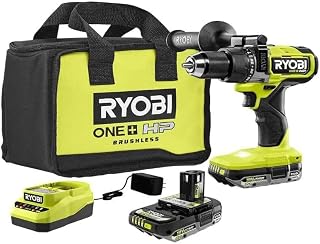


A Ryobi cordless SDS hammer drill can be a practical choice when you need more than a conventional drill for concrete, masonry and other hard materials. SDS tooling is designed to provide a secure connection between the tool and compatible drill bits, while the hammer mechanism helps deliver the impact action needed for demanding drilling work. For Canadian DIY users, renovators and tradespeople, a cordless design can also make it easier to work where an electrical outlet is inconvenient or unavailable.
The best model depends on the type of work you expect to perform. Before buying, consider the required hole sizes, drilling frequency, material hardness, battery platform, tool weight and available accessories. A compact model may be easier to handle during occasional renovation work, while a more capable SDS rotary hammer may be better suited to repeated concrete drilling.
Ryobi is well known for its broad cordless tool ecosystem, making battery compatibility an important consideration for existing ONE+ users. If you already have compatible Ryobi batteries and a charger, choosing a tool that uses the same platform can simplify your equipment setup. However, battery compatibility should always be confirmed for the exact model rather than assumed from the Ryobi brand name alone.
Cordless operation can also be useful for basement renovations, garage projects, outdoor masonry work, anchor installation and other jobs where managing a power cord would be inconvenient. Canadian users should also consider working conditions during colder seasons, since temperature can affect battery performance and runtime.
Check which SDS system the tool accepts and make sure your existing or planned drill bits match it. SDS-compatible accessories are available for different drilling applications, but the exact tool specification should always be checked before purchase.
Look at the manufacturer's specifications for impact performance, drilling capacity and operating modes. A tool intended primarily for occasional masonry anchors has different requirements from one expected to drill many holes in concrete throughout a renovation or construction project.
Battery capacity can influence both runtime and overall tool weight. If you already own compatible Ryobi batteries, a bare-tool configuration may be attractive. If you are new to the platform, compare the total cost of the tool, battery and charger rather than looking only at the advertised tool price.
Weight matters when drilling overhead, working from ladders or completing repeated holes. A well-balanced tool can be easier to control than a heavier alternative, even when the published power specifications appear similar. Consider the weight with the battery attached, not only the bare-tool figure.
These tools are generally suited to drilling applications involving concrete, brick, block and other masonry materials when used with the appropriate SDS accessories. Typical projects can include installing masonry anchors, mounting fixtures, preparing holes for renovation work and completing general construction tasks. Always follow the manufacturer's instructions and use drill bits specifically intended for the material and application.
For work involving large-diameter holes, extensive chiselling or continuous professional use, compare the exact tool specifications carefully. A smaller cordless hammer drill may be convenient for light and medium applications but may not be the right choice for demanding production work.
Start by identifying the materials and hole sizes you expect to work with most often. Next, determine whether you already own a compatible Ryobi battery. From there, compare drilling capacity, operating modes, ergonomics, weight, battery requirements and included accessories.
A conventional hammer drill can be useful for lighter masonry work, but an SDS hammer drill is designed around a different accessory system and impact mechanism. If your projects regularly involve concrete or tougher masonry, an SDS tool may provide a more appropriate setup. For occasional small holes in softer masonry, a conventional hammer drill may be sufficient and can sometimes be more versatile for general drilling.
Canadian product listings can differ in package contents, pricing, delivery availability and battery configurations. Always check the current listing for the exact model number before purchasing. Pay particular attention to whether a battery and charger are included, especially when comparing a kit against a tool-only version.
It is also useful to compare the long-term ownership cost. A lower-priced bare tool may be a good option when you already have the required battery, while a complete kit may provide better convenience for someone starting a cordless tool collection. Factor in batteries, chargers, SDS bits and other accessories when comparing overall value.
Use eye protection and other appropriate personal protective equipment when drilling masonry or concrete. Follow the manufacturer's operating instructions, use compatible SDS accessories and inspect bits before use. Keep ventilation and dust-control considerations in mind when drilling indoors. Remove or disconnect the battery when carrying out maintenance or accessory changes whenever the manufacturer's instructions require it.
With the right combination of battery compatibility, drilling capacity, SDS accessories and ergonomics, a Ryobi cordless SDS hammer drill can be a useful addition to a Canadian DIY or professional tool collection. Compare the exact specifications rather than choosing solely by brand, advertised power or price.
Find the right Ryobi cordless SDS hammer drill for demanding concrete, masonry and renovation projects. Compare compatible battery systems, drilling capabilities, ergonomics, accessories and tool configurations before choosing a model for your Canadian workshop or jobsite.