

Explore cordless power tools, kits, batteries, chargers, accessories and related equipment available to Canadian shoppers. Compare product options and follow useful buying guides before you buy.


A cordless twin pack can be a practical way to build or upgrade a power-tool collection because it combines two frequently used cordless tools with a shared battery platform. Instead of choosing every tool independently, you can select a compatible system and then expand it later with additional bare tools. For Canadian homeowners, DIY users, renovators and tradespeople, the most important decision is therefore not simply which two tools are included, but whether the complete cordless platform suits the work you expect to perform.
The right twin pack should balance tool capability, battery performance, ergonomics, charging convenience, durability and long-term platform flexibility. A drill and impact driver may be ideal for general construction and home maintenance, while a drill and compact circular saw may make more sense for woodworking and renovation projects. Before buying, compare the exact tool models, battery capacities, charger, included accessories and platform compatibility rather than relying only on the brand name or headline specifications.
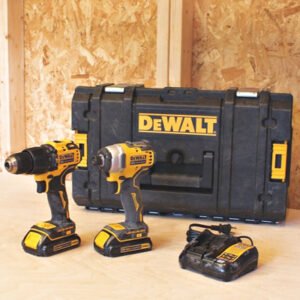
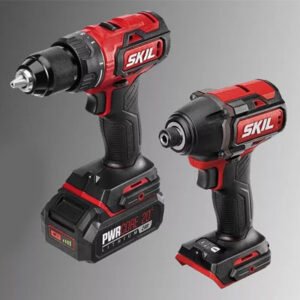
A cordless twin pack is a combination of two battery-powered tools sold as one kit. The tools normally share the same battery platform, allowing one or more batteries to power both machines. A typical kit can include two tools, one or two batteries, a charger and sometimes a carrying bag or case.
The major advantage is system compatibility. Once you own batteries from a particular platform, additional compatible bare tools can often be purchased without buying another battery and charger. This can reduce duplication and make a growing collection easier to manage.
The two tools in a starter kit may be useful today, but the battery platform determines how useful the purchase can become over several years. Major cordless ecosystems such as DeWalt, Makita, Milwaukee, Bosch, Ryobi and Metabo HPT offer broad families of compatible equipment, although compatibility must always be checked within the specific platform rather than assumed from the brand name alone.
For example, a buyer who starts with a drill and impact driver may later want a reciprocating saw, oscillating multi-tool, grinder, work light, inflator or circular saw. A platform with a broad selection of compatible tools can make that expansion considerably more convenient.
Do not assume that batteries from every product carrying the same manufacturer's logo are interchangeable. Manufacturers can maintain multiple voltage classes and generations with different physical and electronic interfaces. Check the exact battery series and tool compatibility before purchasing additional equipment.
The drill-and-impact-driver combination is one of the most versatile choices for general-purpose users. A cordless drill is suited to drilling holes and driving screws with controlled torque, while an impact driver is designed to deliver rotational impacts that can make driving longer or larger fasteners easier.
This combination is particularly useful for furniture assembly, shelving, cabinetry, framing, decking, maintenance and general renovation work. It also avoids the need to change bits and settings constantly when drilling pilot holes and then driving fasteners.
When comparing drills, look beyond the maximum advertised torque figure. A useful drill should provide an appropriate combination of speed control, clutch settings, chuck quality, ergonomics and sustained performance.
An impact driver is not simply a more powerful drill. Its impact mechanism is designed around fastening, and its hexagonal bit interface makes rapid bit changes convenient. When comparing models, consider control as well as output.
The best combination depends on your actual workload. A drill and impact driver is not automatically the best twin pack for every Canadian buyer.
This pairing can be attractive for woodworking, framing and renovation projects. The drill handles holes and fasteners while the circular saw handles sheet goods, boards and other suitable cutting applications. Buyers should compare blade diameter, cutting depth, bevel range, guard design and saw ergonomics.
A reciprocating saw is useful for demolition, rough cutting and applications where access is more important than perfectly finished cuts. This combination can suit renovation and property-maintenance work, particularly when cutting tasks are occasional but demanding.
An oscillating multi-tool can complement a drill particularly well for repair and renovation work. It can handle tasks such as flush cutting, detail work, scraping and certain material-removal applications when equipped with the appropriate accessory.
This type of kit can suit users who already own a drill or prefer a more fastening-and-cutting-oriented setup. The usefulness depends heavily on the specific saw's cutting capacity and battery configuration.
Motor technology deserves attention because it affects efficiency, maintenance requirements, size and overall tool design. Brushless motors eliminate traditional motor brushes and are widely used in modern cordless tools, particularly higher-performance models.
A brushless twin pack can be attractive to frequent users because the technology is generally associated with efficient electronic motor control and reduced brush wear. However, brushless does not automatically mean that a particular tool is superior in every respect. Gear design, electronics, battery technology, ergonomics and intended duty all matter.
For occasional household use, a well-designed brushed tool may still provide adequate capability. For frequent renovation, construction or professional use, brushless systems are often worth considering because the higher-end cordless ecosystem may provide additional performance and control features.
Battery capacity is commonly expressed in amp-hours, or Ah. A higher Ah rating generally represents greater stored electrical capacity within the same voltage class, but it does not by itself tell you exactly how long a tool will operate under a particular workload.
Actual runtime depends on the tool, material, accessory, operating mode, load, battery condition and environmental conditions. A high-capacity battery can also increase tool weight and change balance.
When comparing two twin packs, compare the actual batteries supplied rather than simply comparing voltage or the number printed on the tool. A kit containing two tools but one small battery may have a very different practical value from a kit containing two batteries with greater capacity.
Voltage should be evaluated within the context of the tool and battery platform. Different manufacturers use different naming conventions and battery architectures, so comparing voltage numbers alone can produce misleading conclusions.
Instead, examine the intended application, motor technology, battery capacity, tool size and manufacturer specifications. A compact tool designed for light-duty fastening does not need to be judged by the same criteria as a high-output saw or grinder.
Power specifications receive considerable attention in product listings, but ergonomics can determine whether a cordless tool is genuinely comfortable to use. A tool that feels well balanced with a compact battery can be easier to control than a more powerful model carrying a heavy battery.
Pay attention to handle shape, trigger position, grip texture, balance, overall length and weight with the battery installed. For overhead work, cabinetry and repetitive fastening, a compact design can be particularly valuable.
When comparing cordless twin packs, create a side-by-side specification checklist rather than relying on the product title. Important specifications vary according to the tool combination, but the following categories are useful starting points.
The cheapest twin pack is not necessarily the best value, and the most expensive kit is not automatically the best choice. Value should be assessed according to what is actually included and how frequently you expect to use the tools.
Calculate the value of the complete package rather than focusing on the apparent number of tools. Two excellent tools with useful batteries may represent better long-term value than a larger-looking package containing smaller batteries or less capable tools.
A package with two tools is not necessarily better than another two-tool kit. The exact models, battery capacity and included equipment can differ significantly.
One battery can become inconvenient when two tools are used continuously. If you need to move between drilling and cutting or fastening without waiting for charging, the number of batteries supplied deserves careful consideration.
If you expect to add more cordless equipment, investigate the platform before committing. The initial twin pack is only the beginning of a cordless system.
A larger battery may increase runtime but can make a compact drill or impact driver substantially heavier. Consider how the tool will be used rather than treating the highest-capacity battery as universally preferable.
Words such as professional, heavy duty, high performance and advanced are less useful for comparison than exact model numbers and manufacturer specifications. Verify the actual tool included in the kit.
Never purchase a replacement or additional battery solely because the voltage or brand appears similar. Confirm compatibility with the precise tool and battery family.
Homeowners often benefit from a compact, versatile combination rather than the largest or most powerful tools available. A drill and impact driver is a strong general-purpose starting point for assembling furniture, hanging fixtures, maintaining a property and completing routine DIY projects.
Prioritize manageable weight, simple controls, good battery availability and a broad selection of future tools. If cutting is a regular requirement, a drill-and-saw combination may be more useful than having two fastening tools.
Renovation work can place greater demands on cordless equipment. Drilling through different materials, driving structural fasteners, cutting timber and performing demolition can all require different tool characteristics.
For renovation users, battery capacity and platform breadth become increasingly important. A system that supports circular saws, reciprocating saws, oscillating tools, grinders and lighting can be more useful than a narrowly focused starter kit.
Professional users should evaluate a twin pack as part of a larger equipment strategy. Downtime, battery rotation, ergonomics and compatibility can matter more than the initial purchase price.
A professional buyer should consider whether the platform offers the specialist tools required for future work and whether multiple batteries can be rotated efficiently. Brushless models, electronic controls, durable construction and higher-capacity battery options may become more relevant as daily usage increases.
Canadian conditions can make battery management particularly important. Cold temperatures can affect lithium-ion battery performance, and batteries should be handled and stored according to the manufacturer's instructions. Avoid exposing batteries or chargers to unsuitable temperatures, moisture or other conditions outside their specified operating and storage range.
Buyers in Canada should also verify that the exact kit is intended for the Canadian market and that the supplied charger and electrical configuration are appropriate. Product availability, kit contents and model numbers can differ between markets even when the product family has the same name.
Proper battery care can help maintain a cordless-tool system over time. Follow the manufacturer's instructions for charging, storage, transportation and operating temperatures. Keep batteries and chargers clean and dry, and inspect batteries for visible damage before use.
Cordless tools generally require less routine maintenance than many petrol-powered machines, but they still benefit from regular care. Dust, debris, moisture and excessive heat can affect tool performance and service life.
Do not block cooling vents during operation, and use accessories appropriate for the specific tool and material. Dull blades and damaged bits can increase workload and reduce cutting or drilling efficiency.
Prioritize a compact drill or drill-driver with good clutch control. An impact driver can be useful for heavier fastening, but excessive torque can damage delicate materials if it is not controlled appropriately.
An impact driver and drill combination can be useful for repetitive fastening and drilling. Battery capacity, weather-conscious storage and ergonomic handling become especially important during extended projects.
Consider whether a circular saw, drill or compact cutting tool would contribute more to your workflow. Tool precision, speed control, cutting capacity and accessory compatibility may matter more than maximum power figures.
A reciprocating saw can be more valuable than a second fastening tool. Look for appropriate stroke characteristics, blade compatibility, handling and battery capacity.
A drill-and-impact-driver combination provides broad usefulness, while a platform that also offers an oscillating tool, compact saw, work light and inflator can make future expansion easier.
Torque is commonly used to describe the rotational force produced by a cordless drill or impact driver. However, torque figures should not be treated as a complete performance ranking. Testing methods, operating conditions and manufacturer specifications can differ, so comparisons are most meaningful when the figures are presented under comparable conditions.
More torque is not always better for delicate work. Excessive output can damage fasteners or materials if the user does not have adequate control. Adjustable modes, clutch settings and trigger control can therefore be just as important as maximum output.
Two-speed drills provide a useful balance between controlled torque and higher drilling speed. Lower gearing is generally suited to applications requiring greater control and torque, while higher gearing can be useful for suitable drilling tasks where increased speed is beneficial.
The correct speed also depends on the bit and material. Always follow the accessory manufacturer's recommendations and use the appropriate bit for wood, metal, masonry or other materials.
A drill is generally the more versatile tool for drilling and controlled screw driving. An impact driver is particularly useful for driving fasteners where additional rotational impact can help maintain progress under load.
Customer ratings can provide useful information, but they should be interpreted alongside technical specifications. Look for patterns rather than relying on a single review or an overall star rating.
Verified customer reviews can help identify practical considerations that may not be obvious from a specification sheet, but individual experiences should not be treated as controlled product testing.
Canada has a wide selection of established cordless-tool manufacturers. The most appropriate brand depends on the battery ecosystem, tools you already own, budget, intended workload and the availability of future bare tools.
Brand reputation alone should not determine the purchase. Compare the exact twin-pack models, battery system, kit contents and intended use before making a final decision.
A twin pack can make sense when both included tools are genuinely useful to you and the package provides appropriate batteries and charging equipment. It is especially attractive when you are entering a cordless platform for the first time.
Buying separately can make more sense if one of the two tools is unlikely to be used. Paying for an unwanted tool simply because the combined package appears cheaper can create poor value. Compare the cost and specifications of the individual tools against the complete kit.
A two-tool kit may be only the beginning for someone undertaking a major renovation or building a comprehensive tool collection. If you know you will soon need cutting, demolition, sanding, grinding or lighting equipment, consider the long-term platform rather than focusing exclusively on the first two tools.
However, avoid purchasing a large multi-tool kit simply to acquire tools you may never use. A smaller, well-chosen twin pack can be the more sensible starting point, particularly when compatible bare tools can be added later.
When reviewing a shortlist of ten cordless twin packs, the fairest approach is to compare each kit against the same criteria. This avoids allowing a prominent specification or attractive product photograph to dominate the assessment.
The best cordless twin pack in Canada is ultimately the one that fits your projects, battery strategy and budget rather than the kit with the most impressive headline specification. Start by deciding which two tools you genuinely need, then compare the exact models and battery platform.
For a first cordless system, examine future expansion just as carefully as the initial kit. A drill and impact driver can provide an excellent foundation, but a platform that also accommodates saws, oscillating tools, grinders, lights and other equipment may offer greater long-term flexibility.
Before purchasing, compare current Canadian listings, verify the exact model numbers and kit contents, read relevant customer feedback, and check the manufacturer's specifications. Battery capacity, tool weight and ergonomics deserve particular attention because they have a direct effect on how comfortable and practical the tools will be during real projects.
For many general-purpose homeowners, a drill and impact driver combination is a practical starting point because the two tools cover a wide range of drilling and fastening tasks. The best choice still depends on the projects you expect to perform and the specific battery platform.
Brushless technology can be attractive for users who expect frequent or demanding use because brushless motors are designed without conventional motor brushes and are commonly paired with sophisticated electronic control systems. For occasional DIY work, the overall tool design and price-to-performance balance should also be considered.
They can be, provided the exact tools meet the demands of the job. Professional users should evaluate durability, ergonomics, battery capacity, charging strategy, platform breadth and the specifications of each individual tool rather than choosing solely on the basis of the twin-pack format.
No. A higher-capacity battery can provide more stored energy within the same voltage class, but it can also add weight and bulk. Compact batteries can be preferable for overhead, precision or repetitive work, while higher-capacity batteries can be useful for demanding applications.
Many twin packs are designed around a shared battery platform, but the exact compatibility should always be confirmed for the particular models and battery series. Do not assume compatibility simply from the brand name.
Compare both options. A twin pack is attractive when you need both tools and the included batteries and charger provide good value. Buying separately can be preferable when you only need one of the tools or want to choose different models for different applications.
Consider chuck size, speed ranges, clutch adjustment, motor type, torque control, ergonomics, weight, battery compatibility and the availability of useful accessories.
Consider speed control, drive modes, torque characteristics, compactness, ergonomics, bit interface, lighting and battery compatibility. More output is not automatically better if the tool is difficult to control for your intended work.
Brand can matter because the battery ecosystem determines which additional tools you can purchase later. Established platforms from manufacturers such as DeWalt, Makita, Milwaukee, Bosch, Ryobi and Metabo HPT are worth comparing, but the exact model and battery system should remain the focus of the decision.
There is no single replacement interval that applies to every battery. Service life depends on usage, charging habits, storage conditions, temperature and the battery's design. Follow the manufacturer's guidance and replace batteries that show signs of damage or no longer perform appropriately.
Cordless tools can be used in cold conditions when permitted by the manufacturer's specifications, but lithium-ion batteries can behave differently at low temperatures. Follow the battery manufacturer's operating, charging and storage instructions, particularly when moving batteries between heated indoor spaces and cold outdoor environments.
Check the exact contents of the kit. Verify the two tool model numbers, battery quantity and capacity, charger, accessories, battery platform and Canadian product configuration. These details provide a much more reliable basis for comparison than the product title alone.