

Explore cordless power tools, kits, batteries, chargers, accessories and related equipment available to Canadian shoppers. Compare product options and follow useful buying guides before you buy.
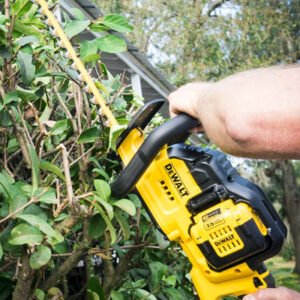
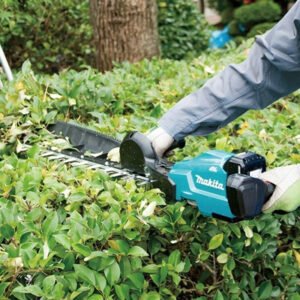
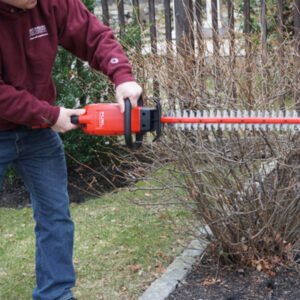
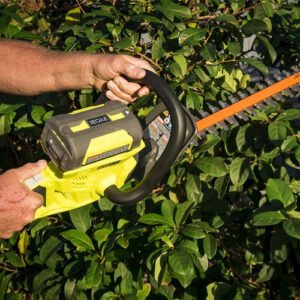


Choosing the right hedge trimmer in Canada depends on more than cutting performance alone. Garden size, hedge thickness, branch diameter, battery platform, operating time, weather conditions, weight and access to power can all affect which model makes the most sense. A compact cordless hedge trimmer may be ideal for routine residential maintenance, while a longer blade or higher-capacity system can be more suitable for mature hedges and larger properties.
This guide is designed to help Canadian shoppers compare hedge trimmers and cutters by specifications rather than relying only on product names or headline claims. Before buying, check the latest specifications, customer reviews, retailer information and current pricing because products and availability can change during 2026.
The best hedge trimmer for one property may be unsuitable for another. Start by considering the type of hedge you maintain, how frequently you cut it and how much material needs to be removed during each session.
Young hedges with soft, relatively thin growth do not necessarily require the same cutting capacity as established hedges with woody stems. Look at the stated maximum cutting diameter and compare it with the branches you normally encounter.
Do not select a machine solely because it has a large cutting specification. A heavier tool can become tiring during prolonged trimming. For regular maintenance, a balanced model that is comfortable to control may be more useful than a larger machine with greater theoretical capacity.
Blade length affects both coverage and manoeuvrability. Longer blades can help trim broad, straight sections of hedge more efficiently because each pass covers more area. However, they may feel less agile around corners, narrow spaces and detailed shaping work.
Shorter blades are often easier to control when working around smaller shrubs or irregular growth. When comparing models, consider the actual hedge rather than automatically choosing the longest available blade.
Cordless hedge trimmers are particularly convenient when the hedge is far from an outdoor electrical outlet. They eliminate the need to manage an extension cord and can make movement around a property easier.
Corded electric models can be practical where reliable mains power is readily accessible. They may also suit users who want to avoid managing battery charging and storage. The trade-off is that the power cable needs to remain safely positioned throughout the job.
For cordless equipment, compare battery voltage carefully within the manufacturer's system. Voltage alone does not tell you exactly how long a tool will operate. Runtime depends on battery capacity, cutting conditions, vegetation density and the way the tool is used.
One of the most important considerations when buying a cordless hedge trimmer is whether the battery belongs to a platform you already use. Brands such as DeWalt, Milwaukee, Makita, Bosch, Ryobi and EGO offer cordless outdoor equipment platforms in different markets and configurations.
If you already own compatible batteries and chargers, staying within the same ecosystem may reduce the need to purchase additional charging equipment. However, always verify compatibility for the exact model rather than assuming that every battery from a brand works with every tool.
New buyers should compare the complete system cost rather than looking only at the bare-tool price. A hedge trimmer sold without a battery and charger can have a very different effective purchase cost from a kit that includes both.
Cutting capacity indicates the approximate branch diameter the tool is designed to handle. It is one of the most useful specifications when comparing hedge trimmers for mature hedges.
Think about your typical maintenance rather than occasional extreme growth. If branches regularly exceed the tool's intended capacity, a hedge trimmer may not be the appropriate tool for that particular task. Larger woody branches may require a different cutting tool.
Blade speed can influence how quickly the cutting teeth move through vegetation. A higher stated speed can be useful, but it should not be considered independently of blade design, tooth spacing, motor characteristics and the material being cut.
When comparing two products, consider the overall specification package instead of treating one number as a guarantee of better real-world performance.
The distance between cutting teeth is another useful specification. A smaller gap can be appropriate for finer hedge maintenance, while wider spacing can provide more room for thicker stems.
Match tooth spacing to the type of vegetation you maintain. A specification that looks impressive on paper may not provide an advantage for a hedge consisting mainly of small, flexible growth.
Weight becomes increasingly important when trimming tall hedges, shaping wide surfaces or working for extended periods. A tool that feels manageable for five minutes may become uncomfortable during a longer session.
Look at the published tool weight and determine whether the figure includes the battery. Manufacturers may present tool weights differently, so compare like-for-like specifications whenever possible.
Good ergonomics can make a substantial difference to hedge-trimming comfort. Look for a handle arrangement that allows secure control while working at different cutting angles.
Rotating or adjustable rear handles can be useful for users who frequently trim the top and sides of a hedge. However, handle mechanisms add complexity, so inspect the manufacturer's specifications and product documentation before making a decision.
Balance is equally important. A hedge trimmer with the motor and battery positioned in a way that keeps the centre of gravity manageable may feel easier to guide than a similarly weighted model with poorer balance.
Long-reach and pole hedge trimmers are designed for situations where additional reach is needed. They can reduce the need to work directly beside or above a tall hedge and may be useful for maintaining elevated sections from a more stable position.
Reach should not be confused with unlimited safe working height. Follow the manufacturer's operating instructions and use appropriate footing and positioning. Never sacrifice stability simply to reach an extra section of hedge.
For very tall hedges, consider whether a standard hedge trimmer, pole hedge trimmer or professional landscaping solution is the most appropriate option.
Battery runtime is influenced by several variables. Dense vegetation generally places greater demand on the motor than light trimming. Continuous cutting can also consume energy more quickly than intermittent work.
Battery capacity, commonly expressed in ampere-hours, can provide useful context when comparing compatible batteries, but capacity should not be interpreted as a precise prediction of operating time.
If you have a large property, consider whether purchasing a second compatible battery is more practical than stopping to recharge the first. This can be especially useful when other outdoor tools share the same battery platform.
Hedge trimming can involve extended exposure to motor noise and mechanical vibration. Cordless electric models generally avoid the fuel engine associated with petrol equipment, but they still produce operational noise and should be used responsibly.
Use suitable hearing protection when recommended by the manufacturer or appropriate for the operating environment. Gloves can also help with grip and general hand protection, but they should not interfere with the tool's controls.
If several people are working nearby, consider the time of day and local noise expectations before operating powered garden equipment.
Canadian gardening conditions vary considerably by region. Users may encounter wet spring growth, dry summer vegetation and substantial seasonal changes. A hedge trimmer should be used only under conditions permitted by its manufacturer.
Do not assume that a cordless tool is waterproof simply because it is designed for outdoor work. Check the product documentation for information about moisture exposure, storage and operating conditions.
Battery-powered equipment should also be stored according to the manufacturer's instructions. Extreme temperatures can affect batteries and charging equipment, so follow the recommended storage and charging conditions for the specific battery system.
Gas-powered hedge trimmers can provide long operating periods with refuelling, but they involve fuel, engine maintenance, exhaust and additional mechanical components. Electric models offer a different ownership experience and can be particularly convenient for residential maintenance.
For many homeowners, the decision is primarily about workload. Small and medium residential hedges can often be maintained effectively with an electric model, while intensive professional landscaping work may require equipment selected for higher workloads.
When comparing technologies, consider starting procedure, maintenance, weight, noise, fuel or battery requirements, storage and the amount of trimming you perform each year.
Double-sided hedge trimmers are commonly designed for efficient movement in multiple directions and can be useful when shaping broad hedge surfaces. Single-sided configurations can provide a different cutting approach and may be preferred for certain straight trimming applications.
Neither design is automatically best for every user. Consider the hedge layout, cutting technique and the manufacturer's intended application before choosing between them.
Voltage is useful for identifying a battery system, but it does not describe every aspect of performance. Motor design, blade geometry, tooth spacing, battery capacity and overall engineering also matter.
A longer blade is not always easier to use. If your hedge contains tight corners, narrow sections or intricate shapes, manoeuvrability can be more important than maximum blade length.
Some cordless tools are sold as bare units. If you do not already own compatible batteries, include the cost of the required battery and charger when comparing products.
Heavy equipment can become tiring during prolonged overhead or side trimming. Always compare weight and balance before choosing a model for a large hedge.
A hedge trimmer is primarily intended for hedge maintenance. Trying to force oversized woody branches into the cutting teeth can place unnecessary stress on the equipment. Use the appropriate cutting tool when branch size exceeds the hedge trimmer's intended range.
When evaluating a top-10 selection, compare each product against the same criteria. This makes the differences easier to understand and reduces the chance of choosing a model simply because it has more headline features.
Several established power-tool brands offer cordless outdoor equipment that may be relevant when researching hedge trimmers in Canada. DeWalt, Milwaukee, Makita, Bosch, Ryobi and EGO are among the brands shoppers may encounter when comparing battery-powered garden equipment.
Brand recognition should not replace product-level research. A manufacturer's strongest product line for one type of tool may not automatically be the best choice for every gardening application. Compare the exact model, battery platform, specifications, included accessories and current customer feedback.
Online listings can change, so verify the exact product configuration before purchasing. Product names may appear in several versions, including tool-only packages and kits containing batteries and chargers.
Regular maintenance can help keep a hedge trimmer ready for the next job. Always disconnect the power source before carrying out cleaning, inspection or maintenance procedures and follow the manufacturer's instructions.
Plant material can accumulate around the blade assembly. Remove debris according to the manufacturer's cleaning instructions and avoid damaging cutting components during the process.
Check the blades for visible damage, excessive wear or other abnormalities. If the manufacturer specifies a particular sharpening, lubrication or replacement procedure, follow that procedure rather than improvising.
Inspect visible fasteners, guards and protective components periodically. Do not operate equipment if an important safety component is damaged or missing.
Battery care should follow the instructions supplied with the battery and charger. Use the correct charger and avoid storing the battery in conditions outside the manufacturer's recommendations.
Seasonal storage is particularly relevant in Canada because outdoor gardening equipment may remain unused for extended periods. Clean the tool, inspect it for damage and store it according to the manufacturer's recommendations.
Keep batteries and chargers in appropriate conditions rather than leaving them exposed to unsuitable temperatures or moisture. A protective blade cover can also help protect the cutting assembly during storage when supplied or recommended by the manufacturer.
Read the manufacturer's safety instructions before operating a hedge trimmer. Keep both hands in the intended operating positions and maintain stable footing while cutting.
Inspect the hedge before beginning work. Hidden objects, wire, fencing and other obstructions can create hazards. Keep children and other people away from the immediate working area.
When using a corded model, position the cable so that it cannot enter the cutting path. With cordless equipment, remove or disconnect the battery when performing maintenance or when the manufacturer's instructions require it.
Never work from an unstable ladder or awkward position simply to reach the top of a hedge. If a hedge requires specialist access equipment or presents unusual risks, consider professional assistance.
Trimming frequency depends on the plant species, desired shape, growth rate and local growing conditions. Fast-growing hedges may require more frequent maintenance than slower-growing varieties.
Rather than waiting until a hedge becomes heavily overgrown, regular light maintenance can make each trimming session more manageable. Follow appropriate horticultural guidance for the particular hedge species because some plants should be pruned at specific times of year.
Manual hedge shears can be useful for small corrections, detailed shaping and occasional light maintenance. They do not require a battery, charger, fuel or electrical connection.
Powered hedge trimmers become more attractive when the hedge is long or requires frequent maintenance. The right choice depends on the amount of material, available time and physical effort involved.
A standard hedge trimmer is usually easier to manoeuvre close to the body, while a pole hedge trimmer provides additional reach. For low and medium-height hedges, a conventional design may offer simpler handling. Tall hedges may justify a long-reach design if it can be used safely and within its intended operating range.
Good technique can be as important as equipment selection. Avoid forcing the blade through vegetation. Let the cutting mechanism work at its intended pace and avoid repeatedly attacking material that exceeds the tool's rated capacity.
For shaping, maintain a consistent movement and avoid removing excessive material in one session unless the plant and pruning requirements allow it. Keeping the hedge slightly narrower at the top can also help light reach lower foliage, depending on the plant species and desired form.
A cordless hedge trimmer can be a strong option for homeowners who value freedom of movement and already use compatible battery-powered tools. It can be particularly convenient when hedges are spread across a property or located away from electrical outlets.
It may be less suitable for someone who only performs very occasional trimming and does not already own a compatible battery system, especially if the complete kit cost is significantly higher than a corded alternative.
A corded model can make sense for a property where an appropriate outdoor power connection is conveniently available. It avoids battery charging and does not depend on battery capacity during the trimming session.
The main consideration is cable management. The operator must maintain safe awareness of the cable throughout the job and follow all electrical safety instructions.
For larger properties, focus on the complete workflow rather than one specification. Battery capacity, availability of spare batteries, cutting width, blade length, tool weight and user comfort can all influence productivity.
If multiple cordless garden tools are already part of your equipment collection, a compatible battery ecosystem can simplify charging and storage. For extensive professional workloads, also consider whether the product is intended for the frequency and intensity of use you require.
There is no single best hedge trimmer for every Canadian property. The right choice depends on hedge size, branch thickness, desired blade length, operating time, budget, battery compatibility and handling preferences. Compare the specifications and current verified customer feedback for the exact models you are considering.
Yes, cordless models can be convenient for residential gardens because they provide freedom from extension cables. Their suitability depends on battery capacity, hedge size and the amount of trimming required.
Neither voltage is automatically better for every user. Higher voltage can be part of a different tool and battery design, but performance should be assessed using the complete specification set, including motor design, blade characteristics, cutting capacity and battery capacity.
Choose a blade length based on hedge size and manoeuvrability. Longer blades can cover more area per pass, while shorter blades can be easier to control around compact or irregular shrubs.
Battery-powered hedge trimmers generally avoid fuel and many of the engine-related maintenance tasks associated with gas equipment. They still require cleaning, blade care, battery maintenance and inspection according to the manufacturer's instructions.
If you do not already own a compatible battery system, a kit containing the required battery and charger can be more convenient. If you already have compatible batteries, a tool-only package may be worth comparing.
Only within its stated cutting capacity. Always check the manufacturer's maximum cutting specification and avoid forcing branches through the blade that exceed the intended range.
They can be useful for tall hedges where additional reach improves access while maintaining a stable working position. They are not necessary for every garden, and the added length can affect balance and manoeuvrability.
Pay particular attention to cutting capacity, blade length, battery capacity, spare-battery availability, weight, balance and handle ergonomics. For extensive work, comfort and workflow can matter as much as peak cutting specifications.
Look for recurring comments rather than relying on a single review. Pay attention to observations about battery life, handling, cutting performance, weight, durability and ease of use. Verify important claims against the manufacturer's specifications.
The best hedge trimmer for a Canadian buyer in 2026 is the one that matches the actual hedge, workload and operating environment. Start with cutting capacity and blade requirements, then compare battery compatibility, runtime considerations, weight, balance and ergonomics. For larger or taller hedges, investigate long-reach designs. For smaller gardens, prioritise manoeuvrability and ease of handling.
Before purchasing, verify the exact model, included battery and charger, current specifications, retailer terms and recent verified customer feedback. Prices and availability can change, so check current listings before making the final decision.