

♥ Wishlist


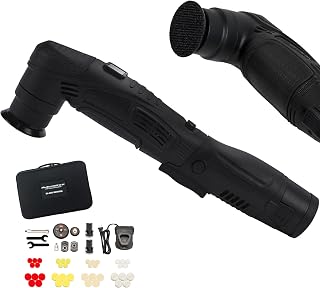


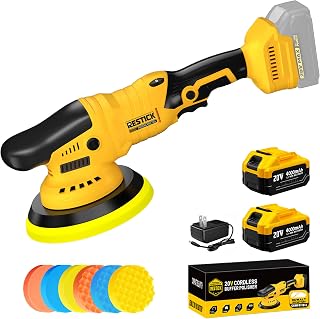




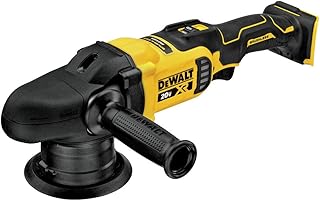


A Milwaukee cordless polisher can be a practical choice for Canadian professionals, automotive enthusiasts and DIY users who want polishing performance with the freedom of battery power. Without a mains power cord trailing across the work area, a cordless design can make it easier to move around a vehicle, work outdoors or polish surfaces where access to an electrical outlet is inconvenient.
When comparing cordless polishers, start by considering the work you expect to perform. Automotive detailing may require controlled polishing for paint correction, swirl reduction, waxing and finishing. Other applications can include polishing suitable metal or finished surfaces when the tool, pad and compound are appropriate for the material. The right combination of speed, pad size and polishing accessories can make a significant difference to the final result.
Battery-powered equipment is particularly useful when mobility matters. A cordless polisher allows you to move around the sides, bonnet, roof and rear of a vehicle without managing a long extension lead. It can also be convenient for mobile detailing and workshop environments where keeping the workspace clear is important.
For shoppers already using compatible Milwaukee battery platforms, a cordless polisher can also make sense as part of an existing tool collection. Before buying, check the exact battery requirements of the model you are considering. Some listings may be supplied as a bare tool, while others may include batteries, a charger, pads or additional accessories. Comparing the contents of each package helps you avoid purchasing duplicate equipment.
Speed control is one of the most important considerations. Variable-speed operation gives you greater control over the polishing process and lets you adapt the tool to different pads, compounds and stages of a detailing job. Lower speeds can be useful for controlled finishing, while higher settings may be appropriate for particular correction or polishing applications when used correctly.
Polisher type also matters. Rotary polishers use a direct rotating motion and can provide strong correction capability, but they require careful technique to reduce the risk of excessive heat or paint damage. Dual-action or random-orbital polishers combine rotation with orbital movement and are often favoured by users looking for a more forgiving approach to automotive paint correction. Always check the product specifications to confirm the operating mechanism.
Pad and backing-plate size should match the surfaces you intend to polish. Larger pads can cover broad panels efficiently, while smaller pads can provide better access around mirrors, trim, contours and other tight areas. Having suitable compatible pads can be just as important as choosing the polisher itself.
Battery capacity affects how long you can work between charges, although actual runtime depends on the tool, speed setting, workload, surface and battery condition. If you already own compatible batteries, consider how many packs you have available and whether your existing charger can support the required platform. For longer detailing sessions, keeping a charged spare battery available can reduce interruptions.
Ergonomics are equally important. Polishing can involve extended periods of holding and guiding the tool, so weight distribution, grip design and overall balance should be considered. A comfortable tool can make it easier to maintain consistent pressure and movement throughout a job. When comparing models, look beyond headline speed figures and consider how the tool will feel during real-world use.
For vehicle owners and detailers, a cordless polisher can simplify routine paint-care work. It may be used for polishing, finishing, waxing and selected paint-correction tasks when paired with the appropriate pad and compound. Work methodically, keep the pad moving as required for the product and surface, and follow the recommendations supplied with your polishing compound and vehicle finish.
Before starting, wash and thoroughly prepare the vehicle so dirt and abrasive contamination do not create unnecessary defects. Test your chosen pad and compound on an inconspicuous area where possible. Use appropriate personal protective equipment and follow the manufacturer's operating and safety instructions for the tool, battery and accessories.
Canadian shoppers should compare more than the tool's advertised speed. Check whether the listing includes a battery and charger, identify the compatible battery system, review the pad or backing-plate specifications and consider the tool's intended application. It is also worth comparing package contents, accessories, warranty information and current pricing before purchasing.
If portability is your priority, cordless operation can be a major advantage. If you regularly complete large detailing projects, battery availability and runtime may be more important. For occasional DIY polishing, a versatile model with adjustable speed and readily available accessories may offer better overall value.
Use this category to research available Milwaukee cordless polisher options and compare features before buying. A considered choice based on your application, battery platform, polishing method and accessories can help you achieve more consistent results while keeping your workspace flexible and convenient.
Looking for a Milwaukee cordless polisher in Canada? Explore cordless polishing and finishing options designed for convenient, portable work without the restrictions of a power cord. Whether you are restoring a vehicle's finish, removing light surface imperfections, applying wax or tackling detailed polishing tasks, choosing the right polisher comes down to speed control, battery compatibility, ergonomics, pad size and the type of finish you want to achieve. Compare available options and consider the features that matter most for your projects before making a purchase.