

Explore cordless power tools, kits, batteries, chargers, accessories and related equipment available to Canadian shoppers. Compare product options and follow useful buying guides before you buy.


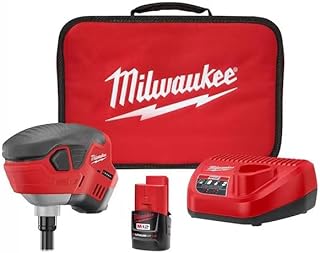


Choosing a Milwaukee cordless nail gun is not simply a matter of selecting the newest model or the tool with the highest advertised power. The right choice depends on the type of fastener you need, the material you work with, the required finish, expected workload, battery platform, tool weight and the availability of compatible nails in Canada.
Milwaukee's cordless fastening range is designed around the practical advantages of battery-powered tools. You can work without an air compressor, pneumatic hose or extension cord, which can make installation work easier on renovation sites, framing projects, interior finishing jobs and smaller construction tasks. However, different nailers are engineered for very different applications. A framing nailer is not a substitute for a finish nailer, while a brad nailer is intended for much lighter fastening work.
This guide explains the most important differences between Milwaukee cordless nail guns and helps Canadian buyers evaluate specifications before choosing a model. Always check the exact tool configuration, compatible fasteners, battery requirements, retailer information and current specifications before purchasing.
Milwaukee cordless nailers generally belong to different fastening categories, with each category serving a particular purpose. The most important distinction is nail diameter and application. Larger framing nails provide the holding power required for structural wood connections, while smaller finish and brad nails are intended for trim, cabinetry, moulding and other detailed work.
For buyers comparing Milwaukee nail guns, the term “cordless” can also mean different things. Some tools operate using Milwaukee's M18 battery platform, while compact fastening tools may use another battery format or system. Battery compatibility should therefore be treated as a major purchasing criterion rather than an afterthought.
A cordless framing nailer is designed for demanding wood construction applications. Typical uses include framing walls, building structures, installing sheathing and completing other projects where relatively large nails are required.
Framing nailers are usually heavier than finish or brad nailers because they are built around larger fasteners and higher driving requirements. If your work involves repeated structural fastening, the additional size can be justified. If you mainly install trim, the same tool may be unnecessarily large.
Finish nailers occupy the middle ground between framing tools and small brad nailers. They are commonly used for baseboards, door and window trim, moulding, cabinetry components and other applications where a stronger fastening point is needed without the size of a framing nail.
A finish nailer can be a versatile option for renovation work because it combines useful holding strength with a relatively refined finish. Buyers should still confirm the exact nail gauge, nail length range and magazine capacity before choosing a model.
Brad nailers use smaller fasteners and are particularly useful for delicate woodworking, decorative trim, small mouldings, cabinet work and assembly tasks where minimizing visible holes is important.
They are not intended to replace framing or heavier finish nailers. Their advantage is precision and reduced material disruption rather than maximum fastening strength.
Pin nailers are designed for extremely small fasteners and are useful when the finished surface needs to show as little evidence of fastening as possible. They can be valuable for detailed woodworking and delicate trim applications.
Because pin nails are much smaller than framing nails, these tools should be selected according to the strength requirements of the project rather than appearance alone.
Milwaukee is a well-established professional power tool brand with a broad cordless ecosystem. For users who already own compatible Milwaukee batteries and chargers, choosing a nailer from the same platform can simplify battery management across a workshop or job site.
The cordless format also removes several limitations associated with pneumatic nailers. There is no compressor to transport, no air hose to route through the work area and no need to position the tool within the reach of a pneumatic line. This can be especially useful when moving between rooms or working on unfinished construction sites.
These benefits do not automatically make cordless tools superior in every situation. High-volume professional users may still prefer pneumatic equipment in certain environments because of established workflow preferences, tool weight considerations and continuous air availability. The best option depends on the job rather than the technology alone.
When comparing the best Milwaukee cordless nail guns in Canada, avoid judging models only by their appearance or advertised power. Several technical specifications directly influence whether a tool is suitable for your work.
Nail gauge is one of the first specifications to check. Smaller gauge numbers generally indicate thicker nails, while higher gauge numbers represent thinner fasteners.
A framing nailer uses substantially larger fasteners than a brad nailer. Choosing the wrong gauge can make a tool unsuitable for the intended application, even if the tool itself has excellent driving performance.
The supported nail length determines how versatile the nailer can be for different materials and fastening depths. Always compare the manufacturer's stated minimum and maximum fastener lengths with the nails you intend to purchase.
Do not assume that two tools in the same general category accept exactly the same fasteners. Magazine dimensions and firing mechanisms can vary between models.
Magazine capacity affects how frequently you need to reload. A larger capacity can be useful for repetitive fastening because fewer interruptions are required.
However, magazine size should not be considered in isolation. A larger magazine can contribute to overall tool dimensions and weight, so buyers should balance capacity against handling comfort.
Depth adjustment is particularly important for finish carpentry and visible surfaces. It allows the user to control how deeply the fastener is driven into the material.
For delicate trim, excessive driving can leave a noticeable depression or damage the workpiece. Insufficient driving can leave the nail proud of the surface. A practical depth adjustment system can therefore make a significant difference to finishing quality.
Some cordless nailers provide different firing modes for individual placement and faster repetitive work. Sequential operation is useful when precise nail placement matters. Contact-style operation can be useful in applications where speed is more important and the tool is appropriate for that working method.
Always understand the manufacturer's instructions and safety requirements before changing firing modes.
Weight becomes increasingly important during overhead work, repetitive installation and long work sessions. A powerful nailer that feels comfortable for a few minutes may become tiring after hundreds of fastening cycles.
Compare the tool's weight with the battery installed when possible. The battery can significantly change balance and handling compared with the bare-tool specification.
Battery platform compatibility can strongly influence the total cost of a cordless nailer. If you already own compatible Milwaukee batteries, a bare-tool purchase may be more practical than buying another battery and charger.
On the other hand, someone starting a cordless tool collection should calculate the complete system cost. The price of the nailer may not represent the full investment if a suitable battery and charger are required.
Larger-capacity batteries can provide more energy for extended work, but they may also increase weight. Smaller batteries can make a tool easier to handle, especially during detailed finishing tasks.
Runtime depends on several variables, including nail size, material density, firing frequency, temperature, battery condition and the specific tool. Avoid treating a single runtime claim as a universal result for every job.
Canadian users should also consider working conditions during colder months. Battery performance can be affected by low temperatures, and batteries should be handled and stored according to the manufacturer's recommendations.
For outdoor construction during winter, consider how the complete tool and battery system will be transported, stored and used rather than focusing only on indoor specifications.
Milwaukee's nailer range includes tools designed for different fastening applications. The exact model selection available to Canadian buyers can change, so the most useful approach is to identify the tool category first and then compare current models within that category.
Milwaukee's M18 FUEL framing nailers are aimed at users who need cordless fastening for framing and other demanding wood applications. When evaluating a model in this category, pay particular attention to fastener compatibility, firing modes, tool balance, depth adjustment, magazine design and battery requirements.
These tools are more appropriate for structural wood fastening than for delicate finish work. Buyers should match the nailer to the building task rather than expecting one framing tool to cover every fastening requirement.
Milwaukee's M18 FUEL finish nailer family is more suitable for trim, moulding, cabinetry and general finish carpentry. The smaller fasteners provide a cleaner appearance than framing nails while retaining more holding power than very small brads.
When comparing finish nailer models, consider nail gauge, supported nail length, magazine capacity and depth adjustment first. These specifications are more useful for choosing the correct tool than a generic power rating.
Milwaukee's compact cordless platform can be attractive for detailed fastening tasks where low tool size and reduced weight are important. The appropriate M12 tool depends on the specific fastening application and supported fastener type.
A compact tool may be easier to control around cabinetry and trim, but it should not be selected for applications requiring the fastening capacity of a dedicated framing nailer.
Milwaukee is not the only established manufacturer of cordless nailers. Buyers comparing options may also encounter brands such as DeWalt, Makita, Bosch and Metabo HPT. The best brand depends partly on the cordless battery ecosystem already present in your tool collection.
Milwaukee and DeWalt both offer broad cordless tool ecosystems. If you already own compatible batteries from one platform, staying within that ecosystem can reduce the need for additional chargers and battery packs.
Compare the exact nailer rather than assuming one brand is universally better. Fastener compatibility, ergonomics, tool weight, depth adjustment and intended application are more meaningful than brand reputation alone.
Makita is another major cordless power tool manufacturer with a broad range of construction and woodworking equipment. When comparing Makita and Milwaukee nailers, examine the complete specifications for the specific models being considered.
Battery availability, existing chargers, nail compatibility and the type of work performed should influence the decision.
Bosch offers cordless tools across several professional and consumer-oriented categories. Buyers considering a Bosch nailer against Milwaukee should compare tool-specific features and the battery platform rather than selecting solely on brand familiarity.
Metabo HPT is also known for construction fastening equipment. Its cordless nailers can be relevant to buyers who prioritize framing and professional construction applications.
As with every brand comparison, the important question is whether the particular model supports the fasteners, workload and materials required for your project.
The simplest way to choose is to begin with the job rather than the tool.
Choose a dedicated framing nailer when you need large structural fasteners for wall framing, sheathing and similar construction tasks. Look closely at nail length, gauge, magazine capacity, driving performance and battery requirements.
A finish nailer is usually more appropriate for baseboards, door casings, mouldings and many general trim projects. The exact gauge should match the material and required holding strength.
Smaller fastening tools can be preferable for cabinetry and delicate woodworking. A brad or pin nailer may provide a less noticeable fastening point, depending on the material and assembly requirements.
DIY users should consider how often the nailer will actually be used. Buying a professional-grade framing nailer for a single small trim project may not be the most sensible choice.
Conversely, frequent renovation or woodworking work can justify a more capable cordless platform, particularly when compatible batteries are already available.
The most common mistake is selecting a tool based on the word “nailer” without considering the fastener size. A framing nailer, finish nailer and brad nailer perform fundamentally different jobs.
Before buying, check that suitable fasteners are readily available in Canada. The tool is only useful if you can consistently obtain compatible nails in the lengths and gauge required for your projects.
A bare-tool listing may appear less expensive, but it may not include a battery or charger. Check exactly what is included before comparing prices.
Weight is easy to ignore when reading specifications online. It becomes much more important when the tool is used repeatedly or above shoulder height.
More driving capability is not automatically better for delicate work. Excessive driving force can increase the risk of damaging softer materials or leaving deeper marks when the tool is not properly adjusted.
Two nailers with similar weights can feel very different in use because the battery, motor and magazine distribute mass differently. Pay attention to ergonomic design and grip position when comparing models.
Professional buyers should evaluate a cordless nailer according to total workflow efficiency rather than headline specifications.
A practical magazine design can reduce downtime during repetitive work. Check how easily nails can be loaded and whether the magazine accommodates the fastener quantities required for your normal workload.
Consistent fastening depth is important when producing repeatable results across a large installation. This is particularly relevant for trim and finish carpentry.
Grip design, balance, trigger placement and battery position all affect handling. A tool that feels controlled can reduce unnecessary movement and make repeated fastening more manageable.
Professional users should consider how many batteries are required for a typical workday and whether chargers can keep pace with the workload. The best nailer can still be inconvenient if the battery system does not match the job.
Proper care can help preserve tool performance and reduce avoidable problems. Always follow the manufacturer's instructions for the specific model.
A cordless nail gun is a powerful fastening tool and should be treated accordingly. Read the manufacturer's instructions before first use and wear appropriate personal protective equipment for the work environment.
Keep hands away from the fastening path and never point a loaded nailer toward yourself or another person. Understand the tool's firing mechanism and safety features before operating it.
Inspect the workpiece before fastening. Hidden electrical wiring, plumbing and other obstructions can create serious hazards during construction and renovation work.
Customer ratings can be useful, but they should not be the only factor in a purchasing decision. A nailer may receive positive feedback from framing professionals while being unsuitable for someone looking for a lightweight trim tool.
Read reviews for comments related specifically to the intended application. Look for recurring observations about handling, battery compatibility, fastener feeding, depth adjustment, reliability and ease of use rather than relying on a single enthusiastic review.
There is no single Milwaukee nailer that is ideal for every Canadian buyer. The right choice depends on the application.
Look for a Milwaukee cordless framing nailer with the fastener range and driving capability required for structural wood construction. Prioritize compatibility, handling, magazine capacity and battery strategy.
A Milwaukee finish nailer is generally the more appropriate category for trim, moulding, casings and similar work. Depth control and ergonomics should receive particular attention.
A compact brad or pin nailer can be a better fit when minimizing visible fastening points is important. Select the tool according to the required holding strength.
If your workshop already uses a compatible Milwaukee cordless platform, a matching nailer can simplify battery and charger management. Confirm compatibility with the exact battery family before purchasing.
Occasional users should focus on versatility, ease of handling and total ownership cost. Avoid paying for capabilities that will rarely be used.
Canadian shoppers should compare the complete product configuration rather than relying on a headline price. Listings can differ in whether they include a battery, charger, carrying case or other accessories.
Check the product specifications carefully and compare current retailer information before making a purchase. Availability, package contents and pricing can change over time.
It is also sensible to verify that the product is the Canadian configuration you intend to buy. Model numbers, included accessories and regional packaging can differ between markets.
The right budget depends on how frequently the nailer will be used and what type of work it must perform. A professional framing tool naturally has different requirements from an occasional-use brad nailer.
Instead of setting a budget based only on the tool's purchase price, consider the complete system. Include the battery, charger, compatible fasteners and any accessories you may need.
For frequent professional work, durability, productivity and compatibility may be more important than minimizing the initial purchase price. For occasional DIY projects, a lower total investment may make more sense.
Cordless and pneumatic nailers each have practical advantages. Pneumatic tools require an air compressor and hose but can fit well into established workshop environments. Cordless nailers offer greater mobility and simpler setup.
Correct tool selection is only part of achieving good results. Fastener selection, depth adjustment and material preparation also matter.
Test the tool on a scrap piece of the same or similar material before beginning visible work. Adjust the driving depth gradually rather than immediately selecting an aggressive setting.
Keep the tool positioned correctly against the workpiece and use the firing method specified for the application. For finish work, accurate placement is usually more important than firing as quickly as possible.
The best model depends on the application. A framing nailer is suitable for structural wood construction, while finish and brad nailers are better suited to trim and detailed woodworking. Identify the required fastener type before choosing a model.
Milwaukee offers cordless nailers designed for demanding construction and woodworking applications. Whether a particular model is appropriate for professional use depends on its specifications, workload requirements, fastener compatibility and the user's workflow.
No. Different nailer categories are designed for different fastener sizes and applications. A framing nailer should not be treated as a replacement for a brad or pin nailer when delicate fastening is required.
Milwaukee cordless nailers use rechargeable battery platforms, but the exact battery system depends on the model. Check the specific product listing to determine whether the tool is sold as a bare tool or with batteries and a charger.
No. A cordless nailer does not require a pneumatic compressor or air hose. This is one of the main reasons buyers choose cordless fastening tools.
They can be used in suitable conditions, but cold temperatures can affect rechargeable battery performance. Follow the battery and tool manufacturer's recommendations for operation, charging and storage in cold environments.
Check the exact model number, nail gauge, supported nail lengths, battery requirements, package contents, firing modes, weight, depth adjustment and current specifications. Also compare verified customer reviews and current retailer information.
The correct platform depends on the tool and application. M18 tools are commonly associated with higher-demand cordless construction applications, while compact M12 tools can be attractive where size and handling are priorities. Always compare the exact model specifications.
Neither is universally better. Finish nailers use larger fasteners and are suited to applications requiring more holding strength. Brad nailers use smaller fasteners and are useful for lighter trim and detailed woodworking.
Nail length is critical because the fastener must be appropriate for the material and joint. Always stay within the manufacturer's specified fastener range and select a length suitable for the application.
The best Milwaukee cordless nail gun for a Canadian buyer is the model that matches the actual fastening job, not necessarily the largest or most powerful option. Start with the required nail type, gauge and length. Then compare battery compatibility, tool weight, magazine capacity, depth adjustment, firing modes and overall ergonomics.
If you already own Milwaukee cordless tools, battery compatibility can be a major practical advantage. If you are building a new cordless collection, compare the complete cost of the tool, batteries and charger before deciding.
For framing, focus on a dedicated framing nailer. For baseboards, moulding and general finish carpentry, consider a finish nailer. For delicate woodworking and small trim, a brad or pin nailer may be more appropriate.
Finally, compare the exact current model specifications and package contents available in Canada, read verified customer reviews relevant to your intended application, and check current retailer pricing before making a purchase. Taking a few minutes to match the tool to the job can prevent an expensive mistake and help ensure that the cordless nailer you choose is practical for the way you actually work.