

♥ Wishlist


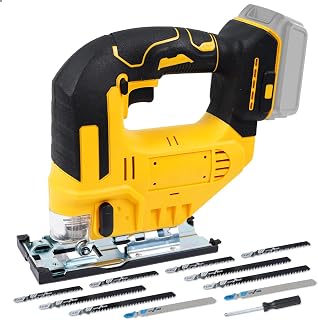
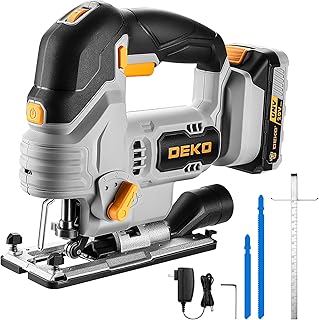

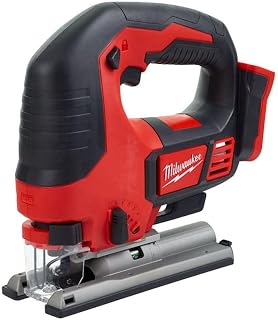


Milwaukee cordless jigsaws give Canadian tradespeople, DIYers and workshop users a convenient way to make controlled cuts without relying on a nearby electrical outlet. A jigsaw is particularly useful when a project calls for curved cuts, cut-outs, notches, openings or other shapes that are difficult to produce with a conventional circular saw. A cordless design also makes it easier to move around a jobsite, work on installations and handle cutting tasks where cables would be inconvenient.
When comparing Milwaukee cordless jigsaws, start by considering the type of work you expect to do most often. Woodworking may require a different blade setup and cutting approach than renovation work involving laminate, metal or composite materials. The right jigsaw should provide the control and cutting capacity appropriate for your materials while remaining comfortable enough for repeated use.
The main advantage of a cordless jigsaw is freedom of movement. Without a power cord trailing behind the tool, you can work more easily around framing, cabinets, flooring, shelving and other installations. Cordless operation can also be useful on construction sites, in unfinished buildings or outdoors where access to mains power is limited.
Battery-powered tools are especially practical for users who already operate compatible Milwaukee cordless equipment. Depending on the model and battery configuration, a cordless jigsaw can become part of an existing battery platform rather than requiring a separate corded power arrangement. Before buying, check the product specifications to confirm battery requirements and whether a battery and charger are included.
Cutting performance is only one part of choosing a jigsaw. Look at the tool's stroke characteristics, variable-speed control, orbital action, blade-changing system, bevel capability and overall handling. Variable speed can help you adjust the cutting action to suit different materials and applications, while orbital settings can influence how aggressively the blade moves through a workpiece.
For detailed work, visibility around the blade is important. A well-designed cordless jigsaw should allow you to follow your cutting line with confidence. Ergonomics also matter when making multiple cuts: grip comfort, balance, trigger placement and tool weight can all affect how easily you maintain control.
A cordless jigsaw can handle many common woodworking tasks when paired with an appropriate blade. Typical applications include shaping timber, cutting plywood, creating openings in panels and making curved cuts for furniture or cabinetry projects. Selecting the correct blade for the material is essential because tooth configuration and blade construction can have a significant effect on finish quality and cutting speed.
Renovation projects can also benefit from a cordless jigsaw. Cutting openings for sinks, vents, electrical components and other installations often requires a tool capable of starting or following shaped cuts. A cordless design is convenient when moving between rooms or working in locations where extension cords would get in the way.
If you already own Milwaukee cordless tools, battery compatibility may be an important purchasing consideration. Check the exact battery platform specified for the jigsaw before ordering. Runtime depends on the battery capacity, material, blade selection, cutting technique and workload, so there is no single runtime figure that applies to every project.
For demanding or extended cutting sessions, having a charged spare battery can reduce interruptions. For occasional DIY use, a single compatible battery may be sufficient. Canadian shoppers should also consider whether the selected configuration is supplied as a bare tool or as a kit with batteries and a charger.
The blade is a critical part of jigsaw performance. Different blades are designed for different materials and cutting requirements. Fine-tooth blades can be useful where a cleaner finish is important, while other blade designs are intended for faster cutting or tougher materials. Always match the blade to the workpiece and follow the manufacturer's recommendations for the tool and accessory.
For cleaner results, secure the workpiece properly and allow the jigsaw to do the cutting rather than forcing the tool through the material. A stable setup, suitable blade and controlled feed rate can make a substantial difference to accuracy and finish.
The best Milwaukee cordless jigsaw depends on what, where and how often you plan to cut. Compare the available configurations carefully, paying attention to battery requirements, cutting features, ergonomics and included accessories. Whether you are completing a home renovation, building cabinetry, working on a construction project or adding a versatile cutting tool to your workshop, a cordless jigsaw can provide the flexibility needed for detailed cutting applications.
Canadian shoppers should also consider the conditions in which the tool will be used, the availability of compatible batteries and the type of replacement blades required. Taking these factors into account before purchasing makes it easier to choose a Milwaukee cordless jigsaw that fits both your current projects and your longer-term tool collection.
Find the right Milwaukee cordless jigsaw for precise curved, straight and detailed cuts without the restriction of a power cord. This category is designed for Canadian shoppers comparing Milwaukee battery-powered jigsaws for woodworking, renovation, installation, construction and general workshop use. Consider cutting performance, battery compatibility, control, ergonomics and the materials you work with when choosing your next cordless jigsaw.